

U.S. military launches Iran commerce crackdown task force

As pressure on Tehran broadens beyond a months-long naval blockade, the U.S. military is launching a new task force targeting sanctioned goods and revenue flows across Iran's land borders and the Caspian Sea. The effort underscores Washington's continuing push to constrain Iran's military supply chains and financing more than eight months after the war with Israel against the Islamic Republic began.
Highlights
- Task Force Iron Gate, based in Tampa, will coordinate with agencies like Treasury and State to disrupt Iran's weapons flow and sanctioned revenue streams.
- A Reuters investigation identified Iran importing at least $2 billion in military hardware and equipment since January 2025, circumventing U.S. blockade and sanctions via Russia, Central Asia, and China.
- CENTCOM reports its naval blockade has blocked over $25 billion in Iranian crude exports, yet Iran sustains regional threats while mediation efforts to end the conflict increase.
Task force expands enforcement beyond naval blockade
As reported by CNBC, citing Reuters, Task Force Iron Gate will be based in Tampa, Florida, and will work with other U.S. government agencies to disrupt Iran's movement of advanced weapons and other sanctioned material. The task force is also set to target the flow of dual-use technologies used by Iran and what Washington describes as illegal revenue streams.U.S. Central Command says the new unit will coordinate with other government bodies. A U.S. military official, speaking on condition of anonymity, says that is expected to include the Treasury, State and Justice Departments, as well as the intelligence community.
"Strengthening CENTCOM's collaboration with U.S. interagency partners will further constrain Iran's ability to finance terrorism, rebuild weapons factories, and replenish their military," Admiral Brad Cooper, commander of Central Command, says in a statement.
Regional pressure grows amid war and diplomacy
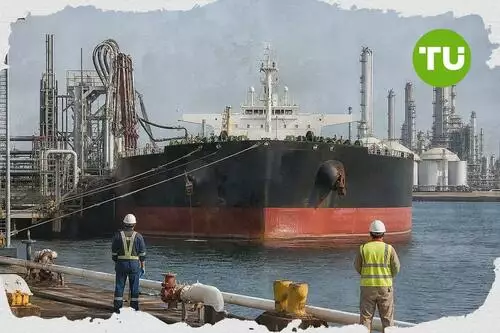
The creation of the task force marks the latest step in Washington's effort to increase pressure on Tehran. While U.S. strikes have dealt heavy damage to Iran's conventional military and the U.S. naval blockade has sharply restricted crude exports through the Strait of Hormuz and the Arabian Sea, Iran continues to pose a significant regional threat and its leadership has tightened its domestic grip.A Reuters investigation found that Iran has built a secret network of military agencies to import at least $2 billion in hardware, explosives and heavy-duty trucks since January 2025 while evading the U.S. naval blockade and Western sanctions. The goods entered Iran by cargo ship across the Caspian Sea from Russia, by truck from Central Asia and by freight planes from China, the investigation showed.
Central Command estimates its naval blockade has prevented Iran from exporting more than $25 billion in crude oil. Even so, mediators have intensified efforts in recent days to end the war between Iran and the U.S. amid concerns the conflict could reignite after the U.S. midterm elections.
Iran has publicly celebrated election results that handed control of Congress to opposition Democrats after losses for President Donald Trump's Republican Party. Vice President JD Vance has blamed the Iran war for the electoral setback and has appeared to question whether the conflict is worth the cost.
Trump has also been threatened with carrying out a new offensive against Iran, heightening anxiety in Gulf countries because Tehran has threatened broad retaliation against regional infrastructure. Reuters has reported that recent U.S. intelligence assessments indicate renewed strikes would not fundamentally alter Tehran's negotiating position or bring down Iran's government.
In our earlier article on the WTO warning of lasting trade disruption from the Middle East war, we explained that repeated conflict and geopolitical risk are pushing companies to redesign supply chains and shipping routes beyond temporary wartime fixes. The WTO projected a sharp contraction in regional trade and noted that diversification into costlier but more resilient routes could persist even after fighting eases, reflecting a more fragmented global trade environment.






Latest Sanctions News




-
 Afghanistan
-
 Albania
-
 Algeria
-
 Angola
-
 Argentina
-
 Armenia
-
 Australia
-
 Austria
-
 Azerbaijan
-
 Bahamas
-
 Bahrain
-
 Bangladesh
-
 Belarus
-
 Belgium
-
 Bolivia
-
 Botswana
-
 Brazil
-
 Brunei
-
 Bulgaria
-
 Cambodia
-
 Cameroon
-
 Canada
-
 Chile
-
 China
-
 Colombia
-
 Congo
-
 Costa Rica
-
 Cote d'Ivoire
-
 Croatia
-
 Cuba
-
 Cyprus
-
 Czechia
-
 DR Congo
-
 Denmark
-
 Dominican Republic
-
 Ecuador
-
 Egypt
-
 El Salvador
-
 Estonia
-
 Eswatini
-
 Ethiopia
-
 Finland
-
 France
-
 Georgia
-
 Germany
-
 Ghana
-
 Greece
-
 Haiti
-
 Hong Kong
-
 Hungary
-
 India
-
 Indonesia
-
 Iran, Islamic republic
-
 Iraq
-
 Ireland
-
 Israel
-
 Italy
-
 Jamaica
-
 Japan
-
 Jordan
-
 Kazakhstan
-
 Kenya
-
 Korea
-
 Kuwait
-
 Kyrgyzstan
-
 Laos
-
 Latvia
-
 Lebanon
-
 Lesotho
-
 Libya
-
 Lithuania
-
 Luxembourg
-
 Madagascar
-
 Malaysia
-
 Malta
-
 Mauritius
-
 Mexico
-
 Moldova
-
 Mongolia
-
 Montenegro
-
 Morocco
-
 Mozambique
-
 Myanmar
-
 Namibia
-
 Nepal
-
 Netherlands
-
 New Zealand
-
 Nigeria
-
 North Macedonia
-
 Norway
-
 Oman
-
 Pakistan
-
 Palestine
-
 Panama
-
 Papua New Guinea
-
 Paraguay
-
 Peru
-
 Philippines
-
 Poland
-
 Portugal
-
 Puerto Rico
-
 Qatar
-
 Reunion
-
 Romania
-
 Rwanda
-
 Saudi Arabia
-
 Serbia
-
 Singapore
-
 Slovakia
-
 Slovenia
-
 Somalia
-
 South Africa
-
 Spain
-
 Sri Lanka
-
 Sweden
-
 Switzerland
-
 Syria
-
 Taiwan
-
 Tajikistan
-
 Tanzania
-
 Thailand
-
 Trinidad and Tobago
-
 Tunisia
-
 Turkey
-
 UAE
-
 Uganda
-
 Ukraine
-
 United Kingdom
-
United States
-
 Uruguay
-
 Uzbekistan
-
 Venezuela
-
 Vietnam
-
 Yemen
-
 Zambia
-
 Zimbabwe
- Forex
- Crypto












