

COP31 energy talks focus on fossil fuel transition and power grid investment

Energy and transport discussions dominate the second day of COP31 in Antalya as governments weigh how to cut reliance on fossil fuels and expand clean power. The debate is widening beyond generation targets to include the cost of volatile fuel imports, weak grid capacity and high financing barriers in developing economies.
Highlights
- Brazil unveiled a COP31 national transition roadmap on 3 November to help countries measure fossil fuel readiness and accelerate international cooperation.
- UN Secretary-General António Guterres reported the EU paid over 100 billion euros in extra fossil fuel import costs since Middle East tensions escalated, with petrol and diesel prices up in 130 countries.
- Grid connection bottlenecks are delaying 2,500 gigawatts of global clean energy projects, while high financing costs hinder project rollout in developing countries despite falling solar and wind prices.
Brazil roadmap and Türkiye electrification push
As reported by UN News, Brazil formally presents at COP31 a voluntary roadmap designed to help countries convert the global pledge to move away from fossil fuels into national transition plans.The plan, first released on 3 November, looks at fossil fuel demand, production and supply, as well as the economic effects of shifting away from them. Ana Toni, CEO of Brazil’s COP30 Presidency, says it gives countries indicators to measure readiness, identify obstacles and map next steps, while also proposing stronger international cooperation.
UN Secretary-General António Guterres says dependence on fossil fuels is becoming a growing economic liability as well as a climate risk. He says the European Union alone has paid more than 100 billion euros in additional fossil fuel import costs since the current escalation in the Middle East began, while petrol and diesel prices have risen across 130 countries.
COP31 host Türkiye is also pressing its 35-by-35 initiative, which aims to raise electricity’s share of global energy consumption from just over 20 per cent today to 35 per cent by 2035. The climate benefit of that shift depends on a larger share of power coming from clean sources.
Grid bottlenecks and financing risks slow progress
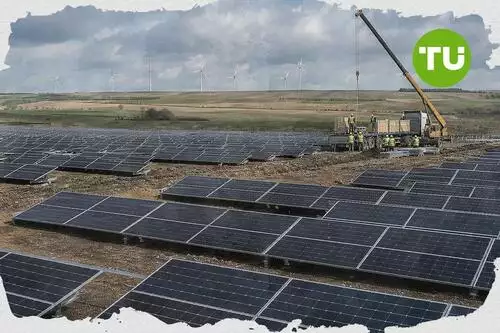
Electricity networks are emerging as a central constraint on the energy transition, with around 2,500 gigawatts of power generation and other energy projects waiting for grid connections worldwide. In some cases, projects cannot connect at all, while others must curb output because existing networks cannot absorb the electricity produced.That bottleneck is especially significant for solar and wind projects, which can be built relatively quickly but still depend on transmission systems to deliver power to homes and businesses. Missing or outdated grids therefore risk undermining the pace of clean energy deployment even where generation technology is available.
Financing remains another major hurdle. Although solar and wind costs have fallen sharply over the past decade, many developing countries still face high upfront costs and steeper borrowing rates, making projects harder to fund even when the underlying technology is competitive.
The UN is trying to address part of that gap through its Global Grids Accelerator, which seeks to unlock investment in electricity networks and speed their expansion and modernization. Together, grid constraints and financing costs are shaping the commercial and policy challenges that countries must resolve if COP31 ambitions are to translate into energy system change.
The latest update follows our earlier article on AI data-center financing risks that highlighted funding strains, construction delays, and power constraints.






Latest UN Economy News




-
 Afghanistan
-
 Albania
-
 Algeria
-
 Angola
-
 Argentina
-
 Armenia
-
 Australia
-
 Austria
-
 Azerbaijan
-
 Bahamas
-
 Bahrain
-
 Bangladesh
-
 Belarus
-
 Belgium
-
 Bolivia
-
 Botswana
-
 Brazil
-
 Brunei
-
 Bulgaria
-
 Cambodia
-
 Cameroon
-
 Canada
-
 Chile
-
 China
-
 Colombia
-
 Congo
-
 Costa Rica
-
 Cote d'Ivoire
-
 Croatia
-
 Cuba
-
 Cyprus
-
 Czechia
-
 DR Congo
-
 Denmark
-
 Dominican Republic
-
 Ecuador
-
 Egypt
-
 El Salvador
-
 Estonia
-
 Eswatini
-
 Ethiopia
-
 Finland
-
 France
-
 Georgia
-
 Germany
-
 Ghana
-
 Greece
-
 Haiti
-
 Hong Kong
-
 Hungary
-
 India
-
 Indonesia
-
 Iran, Islamic republic
-
 Iraq
-
 Ireland
-
 Israel
-
 Italy
-
 Jamaica
-
 Japan
-
 Jordan
-
 Kazakhstan
-
 Kenya
-
 Korea
-
 Kuwait
-
 Kyrgyzstan
-
 Laos
-
 Latvia
-
 Lebanon
-
 Lesotho
-
 Libya
-
 Lithuania
-
 Luxembourg
-
 Madagascar
-
 Malaysia
-
 Malta
-
 Mauritius
-
 Mexico
-
 Moldova
-
 Mongolia
-
 Montenegro
-
 Morocco
-
 Mozambique
-
 Myanmar
-
 Namibia
-
 Nepal
-
 Netherlands
-
 New Zealand
-
 Nigeria
-
 North Macedonia
-
 Norway
-
 Oman
-
 Pakistan
-
 Palestine
-
 Panama
-
 Papua New Guinea
-
 Paraguay
-
 Peru
-
 Philippines
-
 Poland
-
 Portugal
-
 Puerto Rico
-
 Qatar
-
 Reunion
-
 Romania
-
 Rwanda
-
 Saudi Arabia
-
 Serbia
-
 Singapore
-
 Slovakia
-
 Slovenia
-
 Somalia
-
 South Africa
-
 Spain
-
 Sri Lanka
-
 Sweden
-
 Switzerland
-
 Syria
-
 Taiwan
-
 Tajikistan
-
 Tanzania
-
 Thailand
-
 Trinidad and Tobago
-
 Tunisia
-
 Turkey
-
 UAE
-
 Uganda
-
 Ukraine
-
 United Kingdom
-
United States
-
 Uruguay
-
 Uzbekistan
-
 Venezuela
-
 Vietnam
-
 Yemen
-
 Zambia
-
 Zimbabwe
- Forex
- Crypto












