

Samsung and SK Hynix upgrade China NAND operations amid U.S. export curbs

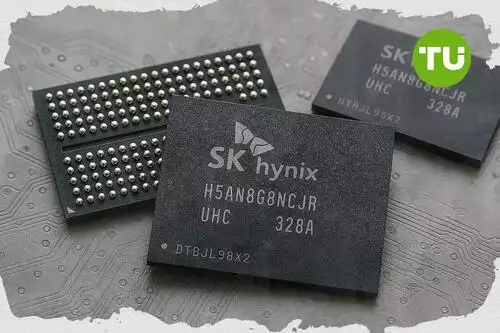
South Korea's two biggest memory chipmakers are advancing upgrades at their China plants as they balance AI-driven demand with tighter U.S. controls on chipmaking equipment. The moves also reflect mounting competitive pressure from Yangtze Memory Technologies Co, which is gaining share in China's NAND market.
Highlights
- Samsung and SK Hynix are upgrading China plants to produce NAND chips with more than 200 layers, closely coordinating with U.S. export rules.
- Samsung's Xian plant targets 5,000 wafers per month of 286-layer V9 NAND by December 2024 and 40,000 wafers by December 2027.
- YMTC captured 38.5% of China's NAND market in Q2, overtaking Samsung, whose share declined to 33.5%, while SK Hynix fell to 17%.
China plant upgrade plans and production targets
As reported by CNBC, citing Reuters, Samsung Electronics and SK Hynix are moving ahead with plans to make more advanced NAND memory chips at their China facilities while coordinating closely with Washington over export-control requirements. The companies confirm that upgrades are under way, although they do not disclose the detailed production plans described by people familiar with the matter.Both chipmakers must seek annual U.S. licenses if they want to install U.S.-made equipment in China, after export restrictions introduced in 2022. The U.S. Commerce Department's Bureau of Industry and Security also says in 2025 that it does not intend to approve licenses for technology upgrades or capacity expansion at foreign chipmakers' China plants, leaving uncertainty over how far Samsung and SK Hynix can modernize those sites.
According to the people, both companies are working to produce NAND chips with more than 200 layers in China, bringing output there closer to current South Korean production. Samsung's Xian plant, which accounts for about 40% of its global NAND output, currently makes chips with about 200 layers and is being converted under an internal project called Monami to produce 286-layer V9 NAND chips, with a target of 5,000 wafers a month in December this year and 40,000 wafers by December 2027.
SK Hynix is aiming to shift its Dalian operation to NAND products with 240 layers or more, from the current 192-layer products made there, according to people familiar with the plan. One person says the company is authorized to make chips with up to 240 layers at Dalian and may seek U.S. approval for research and development on chips with more than 300 layers, work that could support future production in the United States.
Competitive pressure rises in the NAND market
For Samsung and SK Hynix, the China upgrades carry strategic weight because regulatory limits have already constrained factory refits and eroded market position against domestic rival YMTC. Executives at the South Korean groups publicly warn that geopolitical tensions are undermining their China operations, while both companies also weigh how much fresh investment remains viable under the current rules.Research firm Omdia says YMTC holds 38.5% of China's NAND market in the second quarter, up from 28% for all of 2025, overtaking Samsung. Over the same period, Samsung's share slips to 33.5% from 36%, while SK Hynix's share falls to 17% from 20%.
YMTC's lineup is mostly made up of 160-layer and 232-layer NAND chips, but the company also produces a small volume of 294-layer chips and plans products with more than 300 layers, according to two people. Outside China, Samsung sells NAND chips with up to 286 layers and unveils a prototype with more than 400 layers in August, while SK Hynix sells NAND chips with up to 321 layers.
Our earlier coverage of the WTO’s outlook highlighted how the wars in Ukraine and the Middle East, alongside renewed tariff risks, are leaving a lasting imprint on global trade and logistics. The WTO warned that companies are redesigning supply chains and shipping routes toward more resilient—often costlier—alternatives, a shift that could persist even after conflicts ease.






Latest SK Hynix News




-
 Afghanistan
-
 Albania
-
 Algeria
-
 Angola
-
 Argentina
-
 Armenia
-
 Australia
-
 Austria
-
 Azerbaijan
-
 Bahamas
-
 Bahrain
-
 Bangladesh
-
 Belarus
-
 Belgium
-
 Bolivia
-
 Botswana
-
 Brazil
-
 Brunei
-
 Bulgaria
-
 Cambodia
-
 Cameroon
-
 Canada
-
 Chile
-
 China
-
 Colombia
-
 Congo
-
 Costa Rica
-
 Cote d'Ivoire
-
 Croatia
-
 Cuba
-
 Cyprus
-
 Czechia
-
 DR Congo
-
 Denmark
-
 Dominican Republic
-
 Ecuador
-
 Egypt
-
 El Salvador
-
 Estonia
-
 Eswatini
-
 Ethiopia
-
 Finland
-
 France
-
 Georgia
-
 Germany
-
 Ghana
-
 Greece
-
 Haiti
-
 Hong Kong
-
 Hungary
-
 India
-
 Indonesia
-
 Iran, Islamic republic
-
 Iraq
-
 Ireland
-
 Israel
-
 Italy
-
 Jamaica
-
 Japan
-
 Jordan
-
 Kazakhstan
-
 Kenya
-
 Korea
-
 Kuwait
-
 Kyrgyzstan
-
 Laos
-
 Latvia
-
 Lebanon
-
 Lesotho
-
 Libya
-
 Lithuania
-
 Luxembourg
-
 Madagascar
-
 Malaysia
-
 Malta
-
 Mauritius
-
 Mexico
-
 Moldova
-
 Mongolia
-
 Montenegro
-
 Morocco
-
 Mozambique
-
 Myanmar
-
 Namibia
-
 Nepal
-
 Netherlands
-
 New Zealand
-
 Nigeria
-
 North Macedonia
-
 Norway
-
 Oman
-
 Pakistan
-
 Palestine
-
 Panama
-
 Papua New Guinea
-
 Paraguay
-
 Peru
-
 Philippines
-
 Poland
-
 Portugal
-
 Puerto Rico
-
 Qatar
-
 Reunion
-
 Romania
-
 Rwanda
-
 Saudi Arabia
-
 Serbia
-
 Singapore
-
 Slovakia
-
 Slovenia
-
 Somalia
-
 South Africa
-
 Spain
-
 Sri Lanka
-
 Sweden
-
 Switzerland
-
 Syria
-
 Taiwan
-
 Tajikistan
-
 Tanzania
-
 Thailand
-
 Trinidad and Tobago
-
 Tunisia
-
 Turkey
-
 UAE
-
 Uganda
-
 Ukraine
-
 United Kingdom
-
United States
-
 Uruguay
-
 Uzbekistan
-
 Venezuela
-
 Vietnam
-
 Yemen
-
 Zambia
-
 Zimbabwe
- Forex
- Crypto












