
Best Canadian Crypto Wallets | Full Guide


Editorial Note: While we adhere to strict Editorial Integrity, this post may contain references to products from our partners. Here's an explanation for How We Make Money. None of the data and information on this webpage constitutes investment advice according to our Disclaimer.
Best crypto wallets for Canadians:
Ledger Nano X. Top hardware wallet with Bluetooth and 2000+ assets.
Trezor Model T. One of the safest crypto wallets in Canada with an open-source design.
MetaMask Mobile. Best for DeFi and NFTs, supports Ethereum and L2s.
Exodus. Free wallet with built-in exchange and wide asset support.
Wealthsimple Crypto. Canadian-regulated app with CAD deposits.
As cryptocurrency adoption continues to grow across the country in 2026, choosing the right Canadian wallet for crypto has become more crucial than ever. A wallet doesn’t just hold your digital assets; it also determines your overall security, ease of use, and compliance with Canadian financial standards.
For both beginners and seasoned investors based in Canada, selecting the best crypto wallet comes down to their personal goals (which can be anything from long-term storage, everyday trading, and DeFi integration to seamless connection with CAD-based services). This guide reviews each of the best digital crypto wallets in Canada in detail, highlighting security measures, costs, and local compatibility to help you make a confident and informed choice.
What is the best crypto wallet in Canada?
To help traders choose which crypto wallet is best in Canada, we’ve compared the top options available in 2026 based on features, security, cost, and Canadian market suitability.
| Wallet | Type | Custody | Supported assets | Price (CAD)* | Canadian advantage |
|---|---|---|---|---|---|
| Ledger Nano X | Hardware cold wallet | Non-custodial | 15,000+ coins & NFTs via Ledger app | ~CAD 74–250 (retailer variance) | Widely stocked in Canada; pairs with CAD on-ramp accounts for self-custody post-purchase. |
| Trezor Model T | Hardware cold wallet | Non-custodial | Wide multi-coin support via Trezor Suite | ~CAD 340–460 (seen at major retailers) | Open-source transparency valued by security-focused users in Canada. |
| MetaMask Mobile/Extension | Hot wallet (mobile + browser) | Non-custodial | ETH, ERC-20/721/1155; custom networks; also Solana support | Free | One of the best free crypto wallets in Canada that integrates with DeFi & NFT apps; fund via local exchanges then transfer. |
| Exodus (Desktop & Mobile) | Hot wallet (desktop/mobile) | Non-custodial | Multi-asset + NFTs (select chains) | Free | Friendly starter and safe crypto wallet; pair with Canadian on-ramps for funding. |
| Wealthsimple Crypto (in-app wallet) | App / exchange account | Custodial | BTC, ETH & selected assets | Free app (trading/FX terms apply) | Canadian platform with tax docs and funding tailored to Canadian banking. |
Ledger Nano X
Ledger Nano X is a hardware cold wallet that keeps digital assets safe in offline storage. It combines Secure Element technology with the Ledger operating system, giving strong protection against hacks and malware. Users can connect it through Bluetooth or a USB cable, making it easy to manage assets from both desktop and mobile. The wallet works with the Ledger Live app, which supports thousands of cryptocurrencies and NFTs. Its design and smooth setup make it one of the most trusted wallets worldwide.

Key features
supports more than 15,000 coins and NFTs through Ledger Live;
works with Bluetooth for mobile flexibility;
offers PIN, passphrase, and backup recovery options;
compatible with DeFi and staking apps.
Who should use it?
Ledger Nano X is ideal for long-term investors and serious crypto holders who want maximum security for their funds. It suits Canadians who use local exchanges and prefer to transfer assets into self-custody wallets after purchase.
Trezor Model T
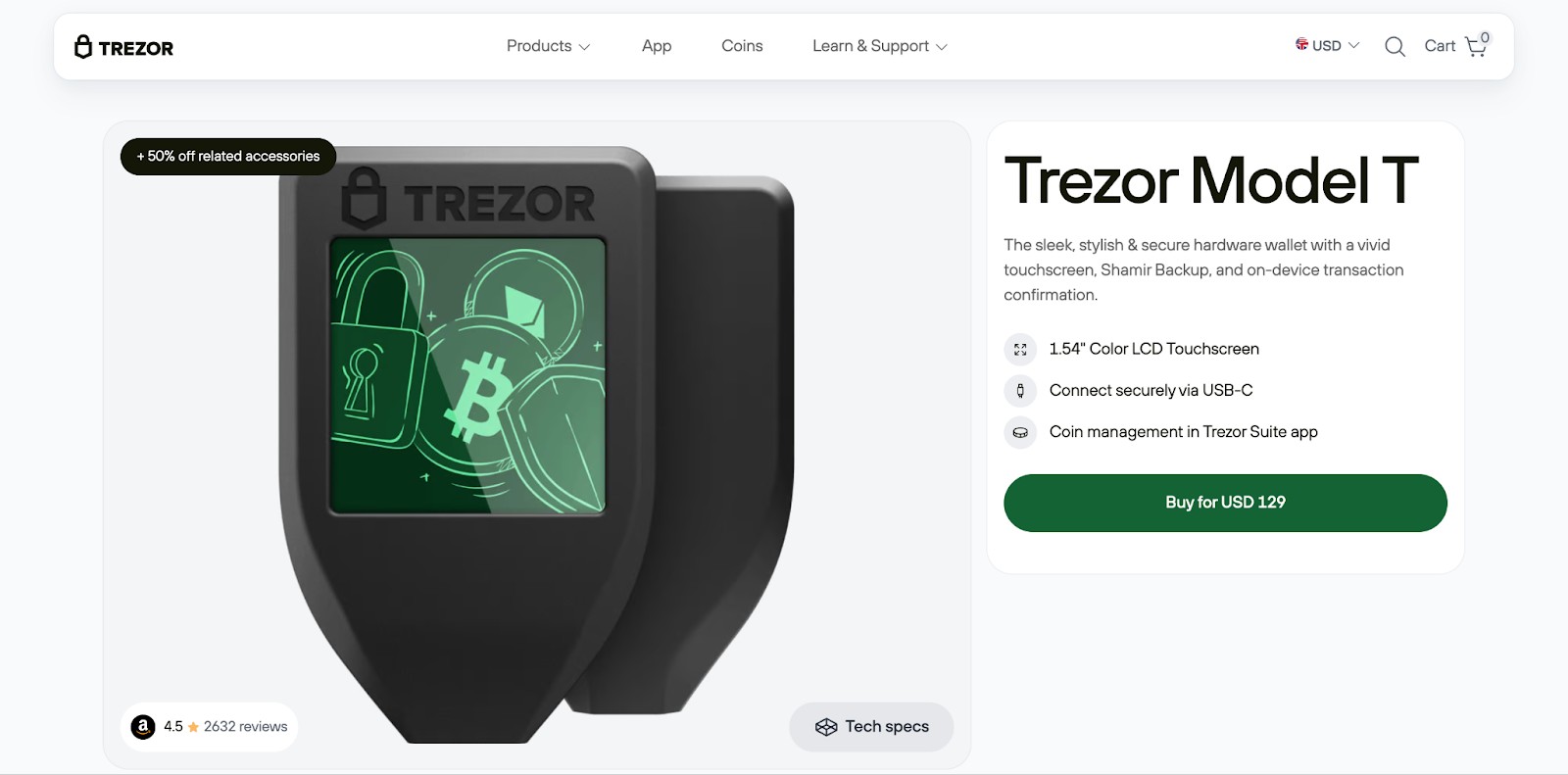
Trezor Model T is a top-tier hardware wallet known for its open-source code and touchscreen interface. It offers transparency, privacy, and total control over private keys. The wallet connects easily with the Trezor Suite app, which helps users manage portfolios, track balances, and make secure transactions. Backup features ensure users never lose access to their crypto even if the device is damaged.
Key features
touchscreen for easier navigation and confirmation;
open-source firmware for transparency;
works with many cryptocurrencies;
provides recovery seed backup for safety.
Who should use it?
Trezor Model T is best for advanced crypto holders and users who value open-source security. It’s ideal for Canadian investors who handle large portfolios and prefer to manually confirm every transaction for peace of mind.
MetaMask mobile/extension
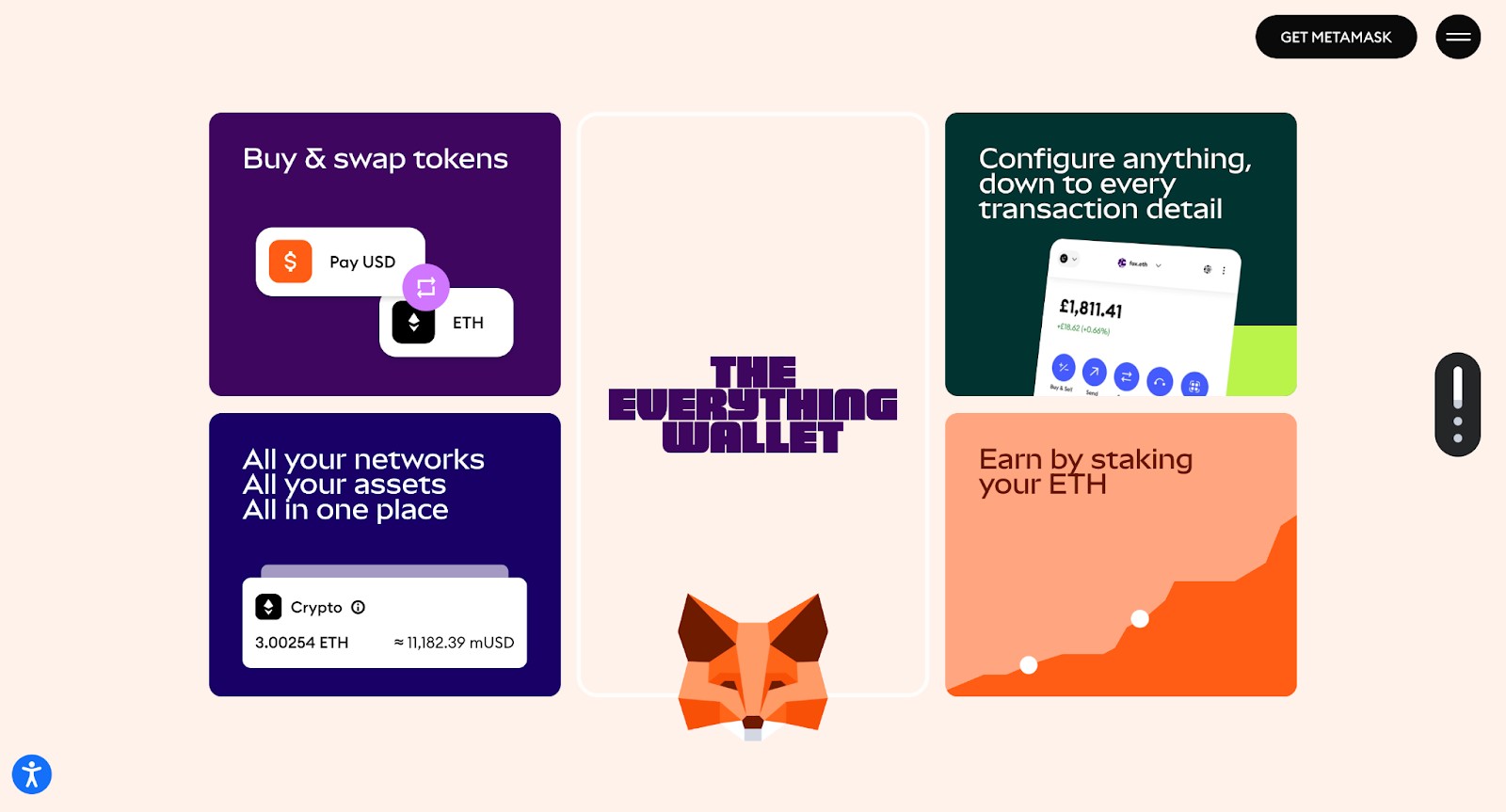
MetaMask is a hot wallet that works as a browser extension and mobile app. It connects directly to Ethereum and compatible blockchains, making it a gateway to the DeFi and Web3 ecosystem. Users can store, send, and swap tokens, as well as interact with NFT marketplaces and decentralized apps. MetaMask’s flexibility and fast access make it one of the best wallets to buy crypto in Canada.
Key features
connects with Ethereum and EVM-compatible chains;
integrates smoothly with DeFi and NFT platforms;
allows adding custom networks like Polygon and Arbitrum;
offers seed phrase backup and import options.
Who should use it?
MetaMask suits active users who trade, stake, or explore DeFi projects. This online crypto wallet in Canada helps to move crypto from local exchanges into Web3 apps or NFT platforms while keeping full control of their keys.
Exodus (desktop & mobile)
Exodus is a multi-asset wallet built for simplicity and smooth design. It lets users store, send, and swap cryptocurrencies and NFTs across several blockchains. The wallet includes a portfolio dashboard, staking tools, and built-in exchange features. Its easy setup and clear visuals make it friendly for beginners while still powerful enough for regular investors.

Key features
supports a wide range of coins and NFTs;
built-in exchange and staking tools;
works on desktop and mobile;
provides 24/7 human support.
Who should use it?
Exodus is perfect for beginners or casual investors who want an all-in-one wallet with easy navigation. It’s a great match for Canadians who fund their accounts from local crypto on-ramps and want to monitor their assets in one app.
Wealthsimple crypto (in-app wallet)
Wealthsimple Crypto is a custodial wallet within the Wealthsimple platform that allows Canadians to buy, sell, and hold crypto using Canadian dollars. It’s registered with Canadian regulators and connects directly to users’ bank accounts, offering a safe and compliant way to access digital assets. The app’s clean interface and no-commission trading make it a strong choice for newcomers.

Key features
supports Bitcoin, Ethereum, and selected coins;
enables CAD deposits and withdrawals via Interac e-Transfer;
no trading commissions for CAD pairs;
regulated under Canadian laws.
Who should use it?
This wallet fits beginners and passive investors who prefer a regulated Canadian platform. It’s ideal for users who want tax reporting, easy CAD funding, and integrated crypto access within their main Wealthsimple account.
Types of crypto wallets
Hardware wallets (cold storage). Physical devices that store private keys offline, offering robust security. Ideal for long‑term storage or large portfolios. Examples: Ledger Nano X, Trezor Model T and BitBox02. These units support hundreds of coins, enable staking, and isolate keys from internet‑based attacks.
Software wallets (hot wallets). Apps or browser extensions installed on PCs or smartphones. They offer convenience and easy access for everyday transactions but are more exposed to malware. Popular examples include Trust Wallet, Exodus, MetaMask and Crypto.comDeFi Wallet.
Custodial wallets. Provided by exchanges (e.g., Coinbase, Bitbuy, CoinSmart) where the platform holds user keys. They streamline trading and fiat on‑off ramps but introduce counterparty risk; users must tru st the service provider to secure funds.
Non‑custodial wallets. Wallets where only the user controls the private keys. Often preferred for self‑sovereign custody; they integrate DeFi, staking and NFT marketplaces.
Key criteria for selecting a crypto wallet
Determining the best crypto wallet for Canada involves examining factors that differ by user profile:
Security features. Look for wallets with strong encryption, two‑factor authentication (2FA), PIN/passphrase support and, for hardware wallets, secure element chips. Wallets should allow users to back up or restore keys via seed phrases.
Supported assets. A versatile wallet supports multiple blockchains, Bitcoin, Ethereum, Solana, and ERC‑20/BEP‑20 tokens, plus NFTs if necessary.
Ease of use. Canadians value intuitive interfaces that simplify sending, receiving and swapping crypto. Mobile compatibility (iOS/Android) and multi‑language support (including French) can enhance usability.
Integration with exchanges and bank transfers. Some wallets provide direct buy/sell via Interac e‑Transfer or wire, bridging crypto with Canadian dollars. Others integrate with DeFi protocols or Layer‑2 networks for cheaper transactions.
Costs and fees. Hardware wallets range from CAD $99–$200. Software wallets are often free but incur network or exchange fees. Transparent fee structures and competitive spreads matter for active traders.
Customer support and reputation. Check user reviews, community feedback and the provider’s response to security incidents. Certified open‑source software adds trust; hardware devices should be purchased from official retailers to avoid tampering.
To make the right choice and understand how to open a crypto wallet in Canada, first decide whether you want the simplicity of a custodial exchange wallet, the flexibility of a non-custodial app, or the strongest protection through a hardware device for long-term storage.

Best wallets by use case
Start with compliant rails, then graduate. Open with Wealthsimple Crypto for CAD deposits and T5-friendly records, then migrate coins to a simple mobile wallet once balances grow.
Pick a wallet that hides Web3 complexity. MetaMask Mobile adds a DApp browser with EVM coverage for when you’re ready.
Use battle-tested hardware signers. Ledger Nano X brings a secure element and Bluetooth for convenience; Trezor Model T is fully open-source with CE/RoHS certifications and mature firmware.
Document an off-exchange playbook. Standardize a “buy on ramp → self-custody transfer → quarterly test-spend” routine to ensure keys, backups, and addresses still work.
Security reports and research
Treat browser wallets as high-risk endpoints. The 2025 WalletProbe study found 13 attack vectors and 21 strategies across 39 browser wallets, with all tested extensions initially exploitable before patches, keep auto-updates on and minimize installed extensions.
Plan for a quantum-resilient future. While practical code-breaking quantum machines are likely years away, standards bodies are rolling out PQC; wallets exploring PQC + ZK can harden future recovery and auth flows.
Insist on verifiable controls and coverage. Look for SOC 2 audits, segregated cold storage, and clearly stated insurance (hot vs cold) with reputable underwriters; confirm limits, exclusions, and incident response.
If you are just starting out or looking to expand your crypto activity in Canada, it helps to begin with a reliable trading platform. You can explore the best crypto exchanges in your region to find safe and regulated options that make it easy to buy, sell, and transfer assets directly into your preferred wallet.
| KuCoin | Yobit | Zoomex | Pionex | XT.com | |
|---|---|---|---|---|---|
|
Min. Deposit, $ |
1 | 30 | 10 | 1 | 30 |
|
Coins Supported |
1000+ | 196 | 30 | 386 | 796 |
|
Spot Taker fee, % |
0.1 | 0.2 | 0.1 | 0.05 | 0.2 |
|
Spot Maker Fee, % |
0.10 | 0.2 | 0.1 | 0.05 | 0.2 |
|
Alerts |
Yes | Yes | Yes | Yes | Yes |
|
Copy trading |
Yes | Yes | No | No | Yes |
|
TU overall score |
8.46 | 8.44 | 8.4 | 8.38 | 8.36 |
|
Open an account |
Go to broker Your capital is at risk. |
Go to broker Your capital is at risk. |
Go to broker Your capital is at risk.
|
Go to broker |
Go to broker Your capital is at risk. |
Choose wallets that simplify CRA reporting and secure cold storage

When you’re selecting a crypto wallet in Canada for 2026, don’t just look at brand names. Find one that makes CRA reporting painless: export formats that include timestamp, transaction ID, CAD value at execution, and explicit fee lines are a lifesaver. A wallet that shows realized gains in CAD right on the trade screen prevents the nasty surprises at tax time. I promise, having tidy exports beats debating seed storage for most people when it comes to real-world headaches.
On security, treat hardware as part of a system, not a holy relic. Use an in-country hardware device and combine it with a second key stored separately, either another hardware unit kept in a different city or a reputable Canadian custody service that supports multisig. That gives you local warranty, a clearer support path, and legal options if something goes wrong. Also pick wallets that let you preview contract interactions and show estimated fees in CAD before you confirm, so bridging or swapping on an L2 won’t suddenly cost you extra.
Conclusion
Choosing the best crypto wallet in Canada for 2026 comes down to balancing top-tier security, ease of use, and Canadian regulatory compatibility. Whether you prefer the robust protection of a Ledger Nano X hardware wallet or the seamless experience of Wealthsimple Crypto for straightforward CAD integration, prioritize solutions that simplify your tax reporting and asset management. A wallet that exports trade records with all the needed tax details can save you countless headaches, making it just as valuable as high-tech encryption. Ultimately, the smartest Canadian investors treat their wallets as part of a secure, well-documented system, ensuring both peace of mind and readiness for the evolving digital landscape.
FAQs
What factors should beginners in Canada consider when choosing their first crypto wallet?
Are there crypto wallets in Canada that support both cryptocurrency and NFT storage?
How important is compatibility with Canadian banks and payment methods when selecting a crypto wallet?
What unique advantages do Canadian-regulated crypto wallets offer compared to non-regulated options?
Editors' Top Picks and Insights





Related Articles
Team that worked on the article
Emilio is a futures trader and financial writer who specializes in technical analysis, market news, and trading psychology. He began his career by completing the Cornerstone Traders Qualification under the mentorship of a gold futures veteran from Bank of America on Wall Street.
Dan Blystone began his trading career in 1998 as an arbitrage clerk on the floor of the Chicago Mercantile Exchange (CME). He later traded bond and Eurex futures at proprietary firms such as Altea Trading, gaining valuable experience in high-frequency trading and risk management.
Chinmay Soni is a financial analyst with more than 5 years of experience in working with stocks, Forex, derivatives, and other assets. As a founder of a boutique research firm and an active researcher, he covers various industries and fields, providing insights backed by statistical data.

-
 Afghanistan
-
 Albania
-
 Algeria
-
 Angola
-
 Argentina
-
 Armenia
-
 Australia
-
 Austria
-
 Azerbaijan
-
 Bahamas
-
 Bahrain
-
 Bangladesh
-
 Belarus
-
 Belgium
-
 Bolivia
-
 Botswana
-
 Brazil
-
 Brunei
-
 Bulgaria
-
 Cambodia
-
 Cameroon
-
 Canada
-
 Chile
Chile
-
 China
China
-
 Colombia
-
 Congo
Congo
-
 Costa Rica
-
 Cote d'Ivoire
-
 Croatia
-
 Cuba
Cuba
-
 Cyprus
-
 Czechia
-
 DR Congo
-
 Denmark
-
 Dominican Republic
-
 Ecuador
-
 Egypt
Egypt
-
 El Salvador
-
 Estonia
-
 Eswatini
-
 Ethiopia
-
 Finland
-
 France
-
 Georgia
-
 Germany
-
 Ghana
Ghana
-
 Greece
-
 Haiti
Haiti
-
 Hong Kong
-
 Hungary
-
 India
India
-
 Indonesia
-
 Iran, Islamic republic
-
 Iraq
Iraq
-
 Ireland
-
 Israel
-
 Italy
Italy
-
 Jamaica
-
 Japan
Japan
-
 Jordan
-
 Kazakhstan
-
 Kenya
Kenya
-
 Korea
Korea
-
 Kuwait
-
 Kyrgyzstan
-
 Laos
Laos
-
 Latvia
-
 Lebanon
-
 Lesotho
-
 Libya
Libya
-
 Lithuania
-
 Luxembourg
-
 Madagascar
-
 Malaysia
-
 Malta
Malta
-
 Mauritius
-
 Mexico
-
 Moldova
-
 Mongolia
-
 Montenegro
-
 Morocco
-
 Mozambique
-
 Myanmar
-
 Namibia
-
 Nepal
Nepal
-
 Netherlands
-
 New Zealand
-
 Nigeria
-
 North Macedonia
-
 Norway
-
 Oman
Oman
-
 Pakistan
-
 Palestine
-
 Panama
-
 Papua New Guinea
-
 Paraguay
-
 Peru
Peru
-
 Philippines
-
 Poland
-
 Portugal
-
 Puerto Rico
-
 Qatar
Qatar
-
 Reunion
-
 Romania
-
 Rwanda
-
 Saudi Arabia
-
 Serbia
-
 Singapore
-
 Slovakia
-
 Slovenia
-
 Somalia
-
 South Africa
-
 Spain
Spain
-
 Sri Lanka
-
 Sweden
-
 Switzerland
-
 Syria
Syria
-
 Taiwan
-
 Tajikistan
-
 Tanzania
-
 Thailand
-
 Trinidad and Tobago
-
 Tunisia
-
 Turkey
-
 UAE
UAE
-
 Uganda
-
 Ukraine
-
 United Kingdom
-
United States
-
 Uruguay
-
 Uzbekistan
-
 Venezuela
-
 Vietnam
-
 Yemen
Yemen
-
 Zambia
-
 Zimbabwe
- Forex
- Crypto












