
Best Crypto Wallets For Traders In The UK (2026)


Editorial Note: While we adhere to strict Editorial Integrity, this post may contain references to products from our partners. Here's an explanation for How We Make Money. None of the data and information on this webpage constitutes investment advice according to our Disclaimer.
Best crypto wallets in the UK:
Hot software wallets (mobile & desktop): MetaMask, Trust Wallet.
Cold hardware wallets: Ledger Nano X, Trezor Model T / Trezor Safe 3, Tangem Card.
Seedless & MPC wallets: ZenGo, Coinbase Vault, Argent.
Custodial exchange wallets: Kraken Wallet, Coinbase (Exchange Wallet), Gemini Wallet.
Privacy-focused wallets: Samourai Wallet, Wasabi Wallet.
Choosing a crypto wallet in the UK affects how safely you hold or move your digital coins. Many software wallets now support NFTs, simple staking tools, and basic identity checks, so they work as easy all-in-one apps for people in the UK.
When comparing the top crypto wallets in the UK, it is important to look at safety, ease of use, and how well each wallet follows local rules. In this guide, we will take a look at the best crypto wallets in the UK, trying to find a tool that is simple for beginners but also offers good privacy and helpful features for active traders.
Best crypto wallets in the UK
To simplify your decision, the table below compares key features of popular wallet categories available in the UK. It highlights each type’s typical security level, ideal user profile, UK-specific regulatory notes, and examples. Use it to identify which option best aligns with your needs:
| Wallet type | Example providers | Ideal for | Security level |
|---|---|---|---|
| Hot Software Wallets (Mobile/Desktop) | MetaMask, Trust Wallet, Coinbase Wallet | Everyday use, best crypto wallet in the UK for beginners due to ease of use | Medium, keys are online (with encryption) |
| Cold Hardware Wallets | LedgerNanoX, TrezorModel T, Tangem Card | Long-term holders seeking the safest crypto wallet in the UK | High, keys offline, tamper-resistant device |
| Seedless / MPC Wallets | ZenGo (MPC app), Coinbase Vault (MPC), Social recovery wallets (Argent) | Users wanting a free crypto wallet in the UK with no seed phrase to lose | High, distributed key shares, no single failure point |
| Custodial Exchange Wallets | Kraken, Coinbase (exchange), Gemini | Convenience and integration with trading (fiat-crypto conversions) | Low to Medium, company holds keys (some use insured custody) |
| Privacy-Centric Wallets | Samourai Wallet, Wasabi Wallet (coinjoin) | Advanced users needing the best crypto wallet in the UK for anonymity | High for privacy (coin mixing, stealth addresses) but varies |
Hot software wallets in the UK (mobile and desktop)
Hot wallets are the most common choice in the UK because they are free, simple to set up, and connect easily to crypto apps. They store private keys on your device with encryption, which makes them good for daily use but not ideal for large savings.
MetaMask
MetaMask is one of the most used wallets in the UK for DeFi trading, NFTs, and interaction with Ethereum-based apps. It connects to thousands of dApps, including popular platforms for staking, yield, and swaps. UK users rely on MetaMask because it is free, fast, and supports networks like Ethereum, Polygon, Arbitrum, and other EVM chains. It is a good match for experienced users who want full access to Web3 tools. However, private keys remain on the device, so strong passwords and hardware pairing are recommended.

Trust Wallet
Trust Wallet is popular in the UK because it supports more than 70 blockchains and works well for simple mobile trading. Users can buy, store, stake, and swap many assets from the same app. Trust Wallet is often recommended for beginners because it has a clean interface and works with many tokens that other wallets do not support. It does not have built-in UK-regulated fiat ramps, so users typically buy crypto on an FCA-registered exchange first, then transfer their funds into Trust Wallet for self-custody.
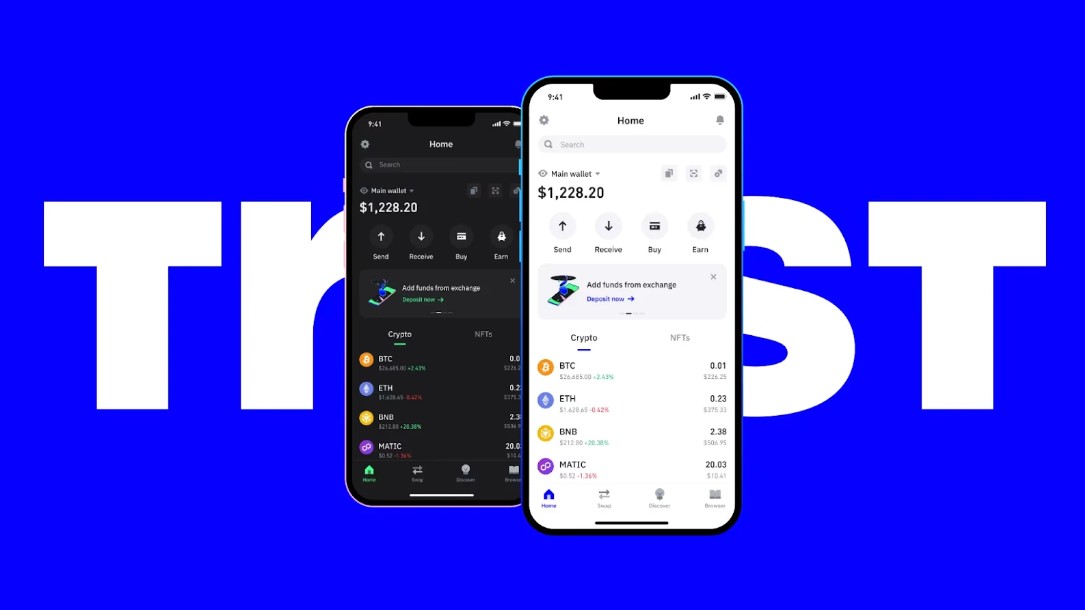
Hot software wallets suit beginners who want a free, easy wallet for starting crypto, but they should only be used for moderate balances.
Cold hardware wallets for crypto holders in the UK
Hardware wallets are the safest wallet type in the UK because private keys never touch the internet. These wallets are recommended for long-term savings, large holdings, and users who want complete control.
Ledger Nano X
Ledger Nano X is one of the top choices in the UK for cold storage. It supports more than 5,000 crypto assets and uses a secure element chip to protect private keys. UK users prefer Ledger because it works with Ledger Live, which is easy to use for staking, sending, and receiving crypto. Ledger devices sold in the UK should always have CE certification. Many UK holders buy crypto through an FCA-registered exchange like Coinbase or Kraken, then move funds into Ledger for offline protection.

Trezor Model T / Trezor Safe 3
Trezor devices are fully open-source and give users complete visibility into the security model. UK traders choose Trezor when they want transparency, strong passphrase support, and powerful recovery options. Trezor supports major coins and fits users who prefer open-source firmware over secure element chips. It is ideal for UK users storing crypto for years and for anyone who wants to avoid online key exposure.

Tangem Card
Tangem is a card-shaped hardware wallet used by UK crypto holders who want simplicity. Instead of seed phrases, Tangem uses secure chips inside the card and requires a PIN. UK users like it because it works with just a phone tap and is easy to carry. It is a good choice for users who want cold storage without bulky devices.
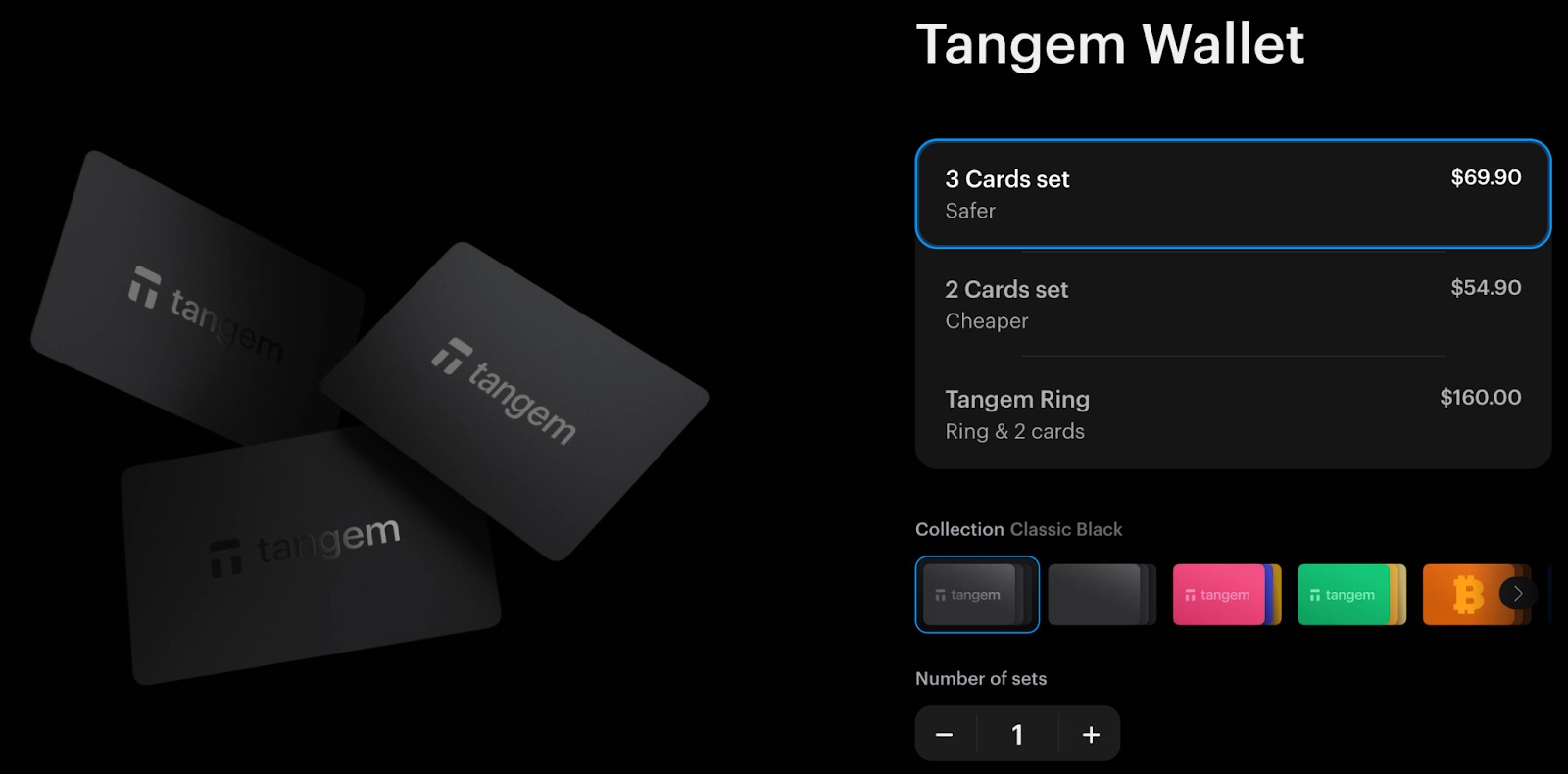
Hardware wallets are the best option in the UK for security-focused users, especially when storing long-term investments or large holdings.
Seedless and MPC wallets for crypto users in the UK
MPC (multi-party computation) wallets and seedless wallets are growing fast in the UK because they remove the risks of losing a seed phrase. Instead, the private key is split into multiple secure parts, so no single point of failure exists.
ZenGo
ZenGo is one of the most beginner-friendly seedless wallets for UK users. It uses MPC to secure assets without requiring a written recovery phrase. UK users like ZenGo because it simplifies backup and reduces human error. The app offers staking, swaps, and strong security without exposing private keys. It is ideal for new users who want full custody without the fear of losing a seed phrase.

Coinbase Vault
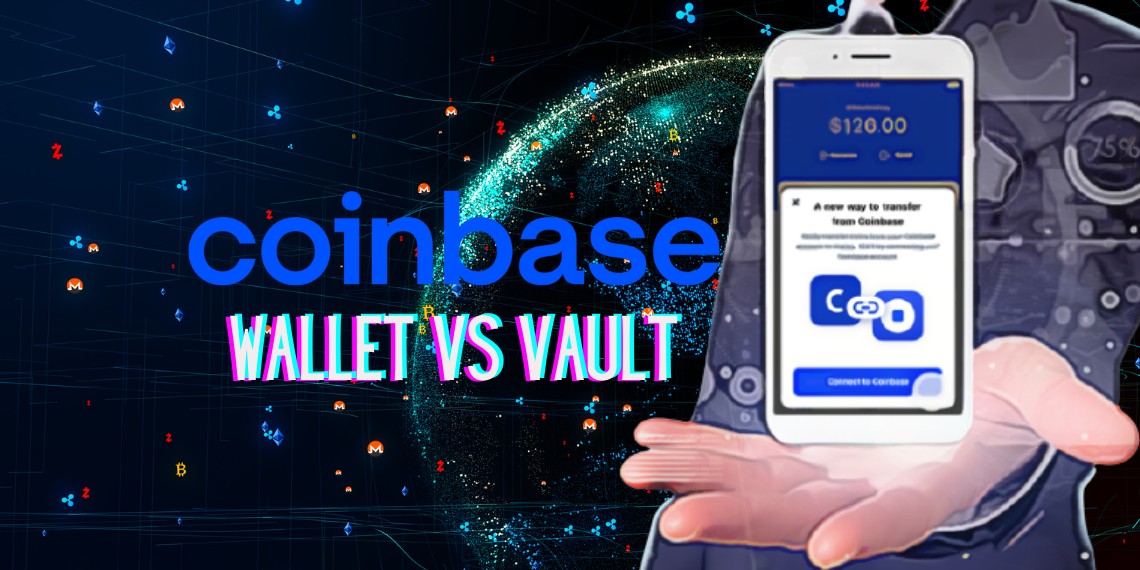
Coinbase Vault uses a combination of MPC and multi-approval settings. It is designed for users who want extra protection for long-term holdings. UK crypto traders and businesses use Vault because withdrawals require multiple authorised confirmations, creating a strong barrier against hacks. It is built for trust, especially since Coinbase operates with strong UK regulatory oversight.
Argent (Social Recovery Wallet)
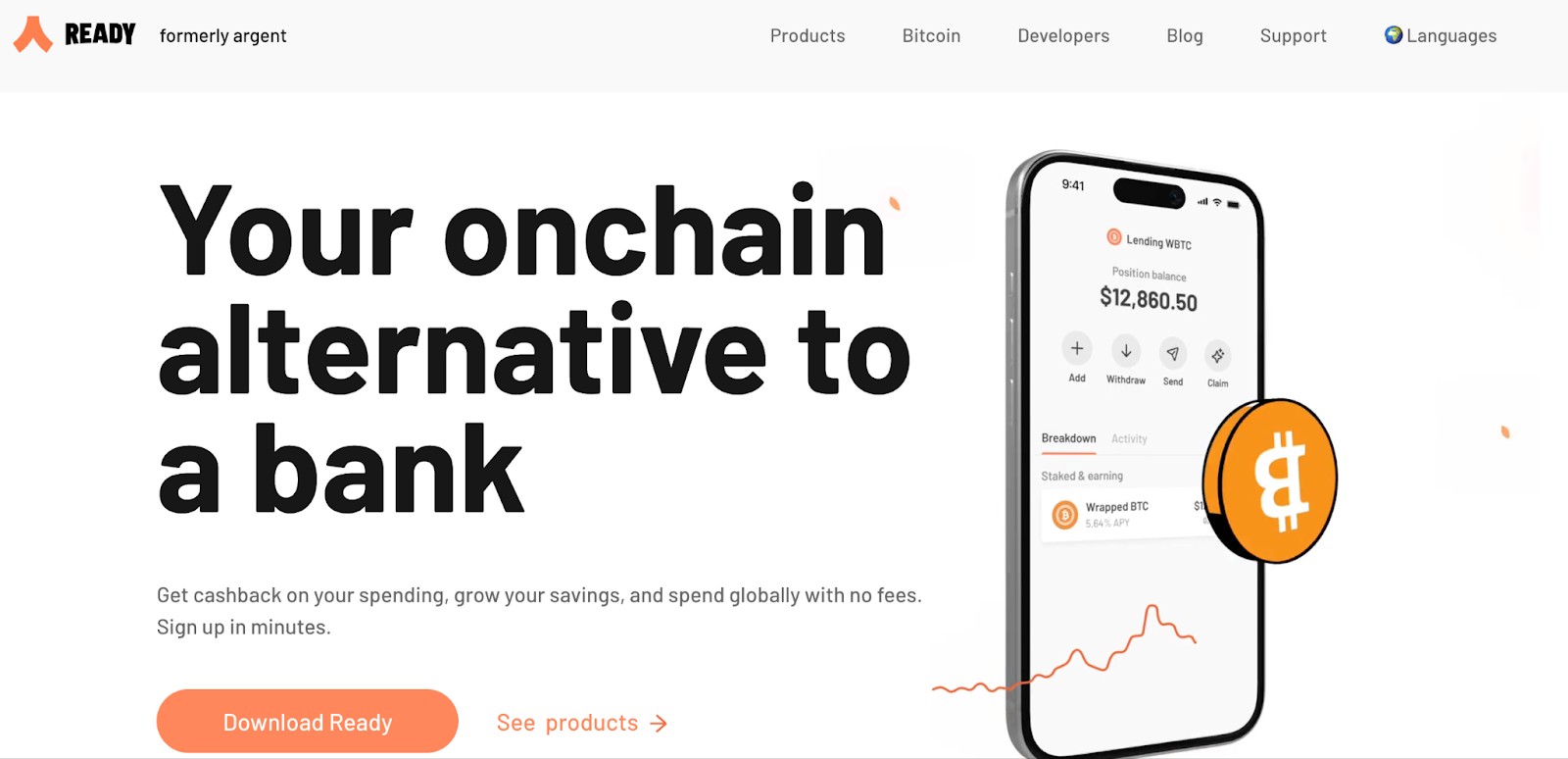
Argent is a UK-friendly wallet that uses social recovery instead of seed phrases. Users choose “guardians,” such as trusted contacts or hardware devices, to help recover access. It supports DeFi tools on Ethereum and Layer 2 networks like zkSync. It is a favourite among UK DeFi users who want strong control without the burden of managing a single recovery phrase.
Custodial exchange wallets available in the UK
Custodial wallets are provided by exchanges. They are easy to use, support instant buying with GBP, and allow quick trading. However, the company controls the private keys, so users must trust the provider’s security and solvency.
Kraken Wallet
Kraken is one of the most respected exchanges used by UK traders due to high security, staking rewards, and strong compliance. The Kraken wallet is simple, safe, and suitable for users who want fast GBP deposits and strong liquidity. It is FCA-registered for certain activities, giving UK customers more trust in the platform. It fits traders who want active trading, staking, or a regulated environment.

Coinbase (Exchange Wallet)
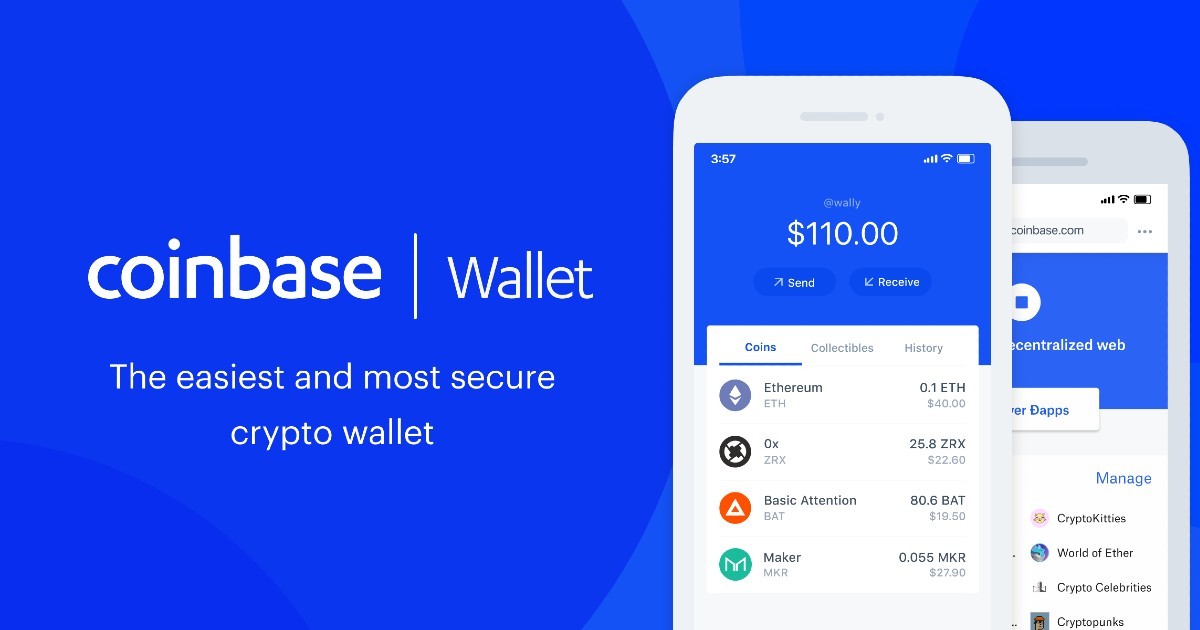
Coinbase is a top beginner choice in the UK because it supports easy GBP deposits, card purchases, and instant conversions. Coinbase keeps keys on behalf of the user, but offers insured custody and strong internal security. Many UK beginners start with Coinbase because the app is simple and the company has a strong compliance history.
Gemini Wallet
Gemini is known for institutional-grade security and insurance coverage. Some UK users prefer Gemini because it focuses heavily on regulatory compliance and cold storage solutions. The wallet is suitable for users who want a safe custodial place for assets while still having access to a global exchange.

Custodial wallets are the easiest to start with, but they are not recommended for holding large balances long term.
Privacy-centric crypto wallets in the UK
Some users want privacy tools to hide transaction history or reduce wallet traceability. These wallets use advanced techniques like CoinJoin and stealth addresses.
Samourai Wallet
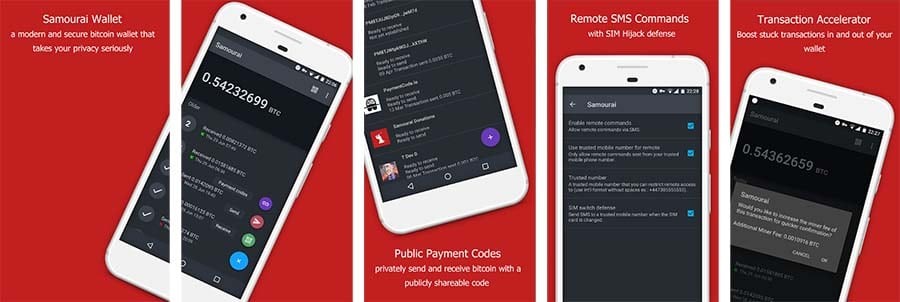
Samourai Wallet is built for privacy and is used by advanced UK Bitcoin users. It offers CoinJoin mixing, Tor integration, and stealth addresses to protect transaction history. Samourai is powerful but requires knowledge and caution. It suits users who value anonymity and high privacy standards.
Wasabi Wallet
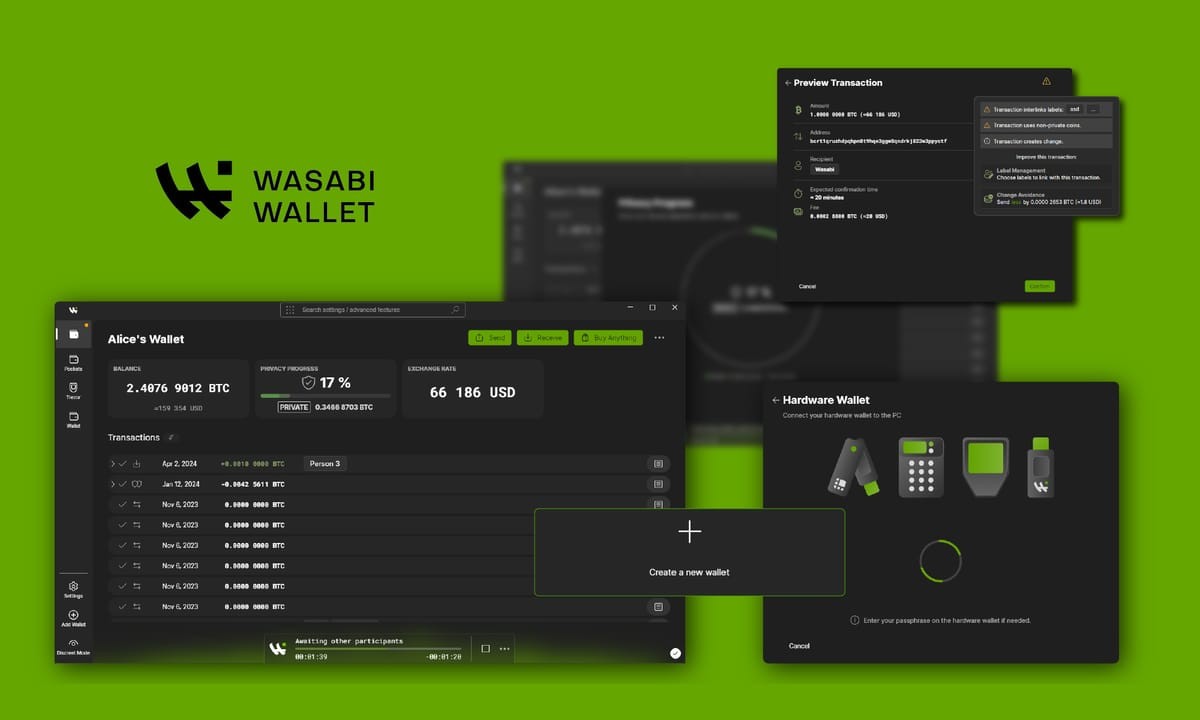
Wasabi is another CoinJoin-enabled Bitcoin wallet well known among privacy enthusiasts in the UK. It automatically routes transactions through mixing tools to make them harder to track. Wasabi focuses only on Bitcoin and offers tools for reducing linkability between addresses. It is ideal for advanced users who understand privacy risks and want strong anonymity.
Privacy wallets are best for users who want deep on-chain privacy and already understand how Bitcoin transactions work.
How crypto wallets operate
Understanding how a crypto wallet works helps you choose the best wallet for crypto in the UK, based on what you want to do with your digital coins:
Custodial vs self-custody. Crypto wallets generally fall into two custody models: custodial (where a third-party exchange or platform manages your keys) and self-custody (where you alone control the private keys). Custodial wallets are convenient and often integrated with trading platforms, but they require trust in the provider. On the other hand, self-custody wallets give you full control and independence.
Hot vs cold storage. Wallets are also categorized by connectivity: hot wallets are internet-connected (running on mobile, web, or desktop) and ideal for frequent trading, DeFi, or use with DApps; cold wallets are kept offline (often hardware devices) to minimize exposure. Cold wallets (like Ledger or Trezor devices) are considered among the safest crypto wallets in the UK for long-term holding, since they store private keys off the internet. Looking at the bigger picture, both hot and cold wallets serve important roles, many traders keep a mix (a hot wallet for daily needs and a cold wallet for savings) as part of an effective UK crypto wallet setup.
MPC and seedless wallets. A new class of wallets has emerged using Multi-Party Computation (MPC) and other seedless technologies, eliminating the traditional 12–24 word seed phrase. Seedless crypto wallets split your private key into multiple encrypted parts (held across your devices or cloud servers) and require cooperation between them to sign transactions. The result is that there is no single point of failure; losing one “key share” won’t compromise the wallet or irreversibly lock you out.
Key criteria when choosing a UK‑focused crypto wallet
When evaluating which crypto wallet is best UK for your needs, keep these criteria in mind:
Security essentials. Security should always come first. A good crypto wallet should protect your coins with strong encryption and safe backup options. Hardware wallets are the most secure because they keep your private keys offline. Look for features like two-factor authentication, multi-signature approval, or the option to sign transactions without connecting to the internet. Open-source wallets are also helpful because the code is visible and checked by the community. If you want the highest safety, choose a wallet that gives you full control of your private keys and has a strong reputation for protecting user funds.
Asset and network compatibility. A wallet should support all the coins and networks you plan to use. Many traders work with Bitcoin, Ethereum, stablecoins, NFTs, and layer-2 networks, so having one wallet that can handle everything will save time and reduce confusion. A multi-chain wallet makes it easy to manage many assets in one place. Make sure the wallet is updated often so it can support new tokens and networks as they grow.
User interface and overall experience. A simple, clear interface makes a huge difference, especially if you are new to crypto. The best wallet for a beginner should be easy to set up, simple to navigate, and quick to restore if you change devices. Features like biometric unlock, cross-device sync, and helpful tutorials can make the learning process much smoother. Also check if the wallet can show values in GBP, which helps you track your portfolio more easily.
Advanced features for active users. If you plan on using DeFi apps, NFTs, or trading platforms, make sure your wallet can connect to them. Look for features like WalletConnect support, built-in dApp browsers, custom fee control, and staking tools. These options make it easier to move between different apps without switching wallets. Some wallets also allow you to pair with hardware devices for safer DeFi use. Choosing a wallet with these tools can make trading faster, safer, and more flexible.
Cost and value. Many crypto wallets are free to use, especially mobile or desktop wallets. Hardware wallets cost money, but they add strong protection for long-term savings. Think about what you need most: daily trading or long-term storage. Network fees also matter, so look for wallets that help you choose lower fees or use cheaper networks. A good wallet offers strong protection and useful features without unnecessary costs.
Reputation and transparency. Always check the wallet’s background before trusting it with your money. Choose wallets that have been around for a while and have a strong track record. Open-source wallets or wallets that undergo regular security reviews are generally more reliable. Look for frequent updates and clear communication from the team. Reading user reviews and community feedback will also help you understand whether the wallet is safe and trustworthy.
Regulatory compliance and privacy. Some wallets require identity checks, especially if they connect to GBP deposits or bank transfers. These wallets follow rules and may be easier to use when you want to convert crypto to cash. Non-custodial wallets usually do not require personal information because you control the keys. Privacy-focused wallets also exist, but they may not link smoothly with exchanges. Choose a wallet that fits your comfort level. If you want privacy, self-custody is the better choice. If you want easy bank deposits and withdrawals, a regulated exchange wallet will be more convenient.
Types of crypto wallets and what should they be used for
Everyday access (hot wallets). For beginners, the best crypto wallet in the UK is often a mobile or browser wallet. These wallets are easy to set up and use. They also add simple safety tools like PINs or face ID, which makes them good for daily use.
Secure long‑term storage (cold wallets). If you hold your coins for a long time, a hardware device is usually the best crypto wallet in the UK for safety. It keeps your keys offline and helps protect them from online threats.
Hybrid and air‑gapped systems. Some wallets sign transactions offline and sync later. These hybrid tools are also popular because they mix safety with ease of use.
Seedless / MPC wallets. Many crypto wallets in the UK now use MPC technology. They split key control across different secure parts. This lowers the chance of losing access due to one mistake.
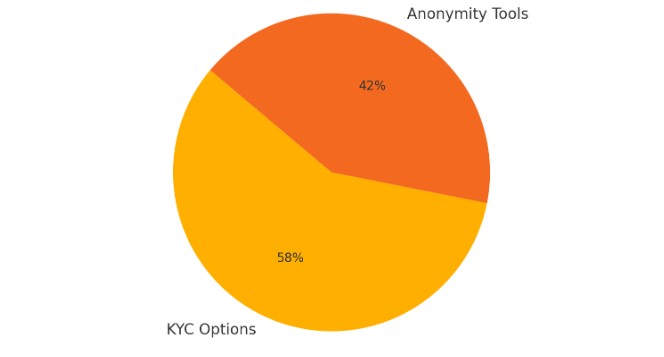
Privacy‑centric wallets. People who value privacy use wallets that offer stealth addresses, coin-mixing tools, or low-KYC features. These options help users stay more private.
Recommendations based on the trader profile in the UK
For new users
Start where GBP is easy. Use a beginner-friendly wallet that supports simple GBP on-ramps (e.g., Trust Wallet, Exodus, Coinbase Wallet) and clear tutorials.
Plan an upgrade path. Pick wallets that pair with Ledger/Trezor later so you don’t migrate when security needs rise.
Keep keys simple. If seed phrases scare you, try an MPC wallet like ZenGo to avoid single-string backups.
Separate buy and store. Buy on an exchange, then move to a self-custody wallet once you’re comfortable.
Back up like a pro. Record the recovery method securely and never share it, ever.
For active DeFi participants or day traders
Optimize for DApps. Choose wallets built for multi-chain DeFi (MetaMask, Rabby, Rainbow) with L2 support and quick network switching.
Simulate before signing. Favour transaction previews and scam detection to catch malicious approvals and fake tokens.
Prioritise execution speed. Look for custom gas, batch actions, and snappy balances so your wallet doesn’t bottleneck trades.
Hard-confirm high value. Pair your DeFi wallet with a hardware signer (e.g., MetaMask + Ledger) for physical approvals.
Track in one pane. Consider wallets with built-in swaps and portfolio views (Exodus, Zerion) to reduce context switching.
For security-conscious holders
Keep keys offline. Use Ledger or Trezor so private keys never touch the internet and every send is device-confirmed.
Add a secret passphrase. Enable an extra “25th word” and a strong PIN to harden recovery against seed theft.
Go multisig for resilience. Use 2-of-3 setups (e.g., Casa/Caravan) to avoid single-device failure risk.
Store backups like deeds. Put the recovery on paper or steel in secure, separate locations with access controls.
Stay patch current. Update firmware and verify addresses on-device to block phishing and spoofing.
For privacy advocates
Minimise data exhaust. Prefer no-KYC, Tor-capable wallets and avoid linking identities across accounts.
Use privacy tooling. Consider Samourai/Wasabi for CoinJoin on Bitcoin, and Monero GUI/Feather for default privacy.
Segment identities. Keep an “exchange-facing” wallet separate from private holdings to prevent cross-contamination.
Air-gap when possible. Pair privacy wallets with hardware like Coldcard for QR-based, offline signing.
Practice clean op-sec. Rotate addresses, verify builds, use VPN/Tor, and keep public chatter to zero.
Independent testing and evaluation strategy
Selecting among the best crypto wallets in the UK options requires more than marketing claims. Here’s how you can validate your choice:
Do a small test transfer. Send £5–£20 first to confirm address, fees, and speed; beware clipboard-swapping malware.
Practice backup & full restore. Write the seed (or MPC steps) and actually restore on another device to prove recovery works.
Verify hardware & firmware. Buy only from official sellers, run the device’s authenticity check, and verify firmware/signatures when offered.
Scan community feedback. Skim Reddit/Trustpilot/forums for recurring issues and gauge how quickly support resolves them.
Check update cadence. Prefer wallets updated every 1–3 months; install only signed releases from official channels.
Prefer audits/certifications or open source. Look for third-party audits, CC/FIPS on hardware, or well-maintained open-source code.
Segregate hot vs cold funds. Keep spending amounts in mobile/extension wallets; store long-term holdings on hardware/multisig.
Document a recovery plan. Store backups offline, record steps, and do a quarterly test-spend to ensure everything still works.
Risks and protective practices
Cybercrime linked to digital coins is still growing in the UK. Common threats include fake emails, fake wallet apps, SIM-swap attacks, and malware that changes copied wallet addresses.
The NCSC says that 36% of crypto fraud cases in the UK came from social tricks that targeted people using a crypto wallet.
Key protective strategies include:
offline backups;
buying from official channels;
updated vigilance.
Once you decide which is the best crypto wallet for how you trade in the UK, the next step is choosing a reliable place to buy and sell your coins. That is where the list of the best crypto exchanges in the UK becomes useful, because it gives you simple options for adding GBP, making your first purchases, and then moving funds into your chosen wallet for safer long term storage. This way your setup stays clear and you always know which app you use for buying and which wallet you trust for holding your assets.
| Binance | BingX | KuCoin | Yobit | HTX | Zoomex | |
|---|---|---|---|---|---|---|
|
Min. Deposit, $ |
No | 1 | 1 | 30 | 1 | 10 |
|
Coins Supported |
800+ | 1000+ | 1000+ | 196 | 750+ | 30 |
|
Futures leverage |
100 | 150 | 100 | No | 200 | 100 |
|
Spot Maker Fee, % |
0.1 | 0.1 | 0.10 | 0.2 | 0.2 | 0.1 |
|
Spot Taker fee, % |
0.1 | 0.1 | 0.1 | 0.2 | 0.2 | 0.1 |
|
TU overall score |
8.9 | 8.5 | 8.46 | 8.44 | 8.42 | 8.4 |
|
Open an account |
Go to broker Your capital is at risk. |
Go to broker Your capital is at risk. |
Go to broker Your capital is at risk. |
Go to broker Your capital is at risk. |
Go to broker Your capital is at risk. |
Go to broker Your capital is at risk.
|
Choose a wallet that matches how you actually use crypto

I have spent years watching new and experienced traders try different wallets, and one thing has become clear to me: most people underestimate how much their day-to-day habits decide which crypto wallet works best in the UK. A wallet is not just a place to store coins. It is a tool you rely on when markets move fast or when you need quick access to your funds. From what I have seen, beginners often feel safer with simple mobile apps because they guide you step by step, while long-term holders feel more peace of mind with hardware devices that stay offline.
I always encourage people to test small transfers and recovery steps early, because confidence comes from practice, not from reading a feature list. A strong wallet is one you can use without stress, one that protects your keys, and one you will actually maintain with updates. When you pick the best crypto wallet in the UK that suits your habits instead of the hype, you avoid most common mistakes before they happen.
Conclusion
Choosing the best crypto wallet in the UK ultimately depends on how you plan to use your digital assets. Whether you are a beginner seeking simplicity with Trust Wallet or a security-focused investor favoring Ledger Nano X, aligning your wallet choice with your habits is key to staying safe and efficient. Practicality beats hype, so always test small transfers and understand your recovery options before committing large balances. The most powerful wallet is the one you can confidently use, update, and trust to safeguard your financial future.
FAQs
What distinguishes hot wallets from cold wallets for UK crypto users?
How do privacy-focused crypto wallets work and who should consider them in the UK?
What role does network and asset compatibility play when selecting the best crypto wallet in the UK?
Are there specific features UK beginners should look for in a crypto wallet?
Editors' Top Picks and Insights





Related Articles
Team that worked on the article
Aleksandra Chaikina has been a contributor to Traders Union since 2021. With over 15 years of experience in copywriting and more than 5 years focused on financial content, she specializes in producing detailed guides, analytics, and comparative reviews across various sectors, including cryptocurrencies, Forex, investment strategies, and financial technologies.
Dan Blystone began his trading career in 1998 as an arbitrage clerk on the floor of the Chicago Mercantile Exchange (CME). He later traded bond and Eurex futures at proprietary firms such as Altea Trading, gaining valuable experience in high-frequency trading and risk management.
Chinmay Soni is a financial analyst with more than 5 years of experience in working with stocks, Forex, derivatives, and other assets. As a founder of a boutique research firm and an active researcher, he covers various industries and fields, providing insights backed by statistical data.

-
 Afghanistan
-
 Albania
-
 Algeria
-
 Angola
-
 Argentina
-
 Armenia
-
 Australia
-
 Austria
-
 Azerbaijan
-
 Bahamas
-
 Bahrain
-
 Bangladesh
-
 Belarus
-
 Belgium
-
 Bolivia
-
 Botswana
-
 Brazil
-
 Brunei
-
 Bulgaria
-
 Cambodia
-
 Cameroon
-
 Canada
-
 Chile
Chile
-
 China
China
-
 Colombia
-
 Congo
Congo
-
 Costa Rica
-
 Cote d'Ivoire
-
 Croatia
-
 Cuba
Cuba
-
 Cyprus
-
 Czechia
-
 DR Congo
-
 Denmark
-
 Dominican Republic
-
 Ecuador
-
 Egypt
Egypt
-
 El Salvador
-
 Estonia
-
 Eswatini
-
 Ethiopia
-
 Finland
-
 France
-
 Georgia
-
 Germany
-
 Ghana
Ghana
-
 Greece
-
 Haiti
Haiti
-
 Hong Kong
-
 Hungary
-
 India
India
-
 Indonesia
-
 Iran, Islamic republic
-
 Iraq
Iraq
-
 Ireland
-
 Israel
-
 Italy
Italy
-
 Jamaica
-
 Japan
Japan
-
 Jordan
-
 Kazakhstan
-
 Kenya
Kenya
-
 Korea
Korea
-
 Kuwait
-
 Kyrgyzstan
-
 Laos
Laos
-
 Latvia
-
 Lebanon
-
 Lesotho
-
 Libya
Libya
-
 Lithuania
-
 Luxembourg
-
 Madagascar
-
 Malaysia
-
 Malta
Malta
-
 Mauritius
-
 Mexico
-
 Moldova
-
 Mongolia
-
 Montenegro
-
 Morocco
-
 Mozambique
-
 Myanmar
-
 Namibia
-
 Nepal
Nepal
-
 Netherlands
-
 New Zealand
-
 Nigeria
-
 North Macedonia
-
 Norway
-
 Oman
Oman
-
 Pakistan
-
 Palestine
-
 Panama
-
 Papua New Guinea
-
 Paraguay
-
 Peru
Peru
-
 Philippines
-
 Poland
-
 Portugal
-
 Puerto Rico
-
 Qatar
Qatar
-
 Reunion
-
 Romania
-
 Rwanda
-
 Saudi Arabia
-
 Serbia
-
 Singapore
-
 Slovakia
-
 Slovenia
-
 Somalia
-
 South Africa
-
 Spain
Spain
-
 Sri Lanka
-
 Sweden
-
 Switzerland
-
 Syria
Syria
-
 Taiwan
-
 Tajikistan
-
 Tanzania
-
 Thailand
-
 Trinidad and Tobago
-
 Tunisia
-
 Turkey
-
 UAE
UAE
-
 Uganda
-
 Ukraine
-
 United Kingdom
-
United States
-
 Uruguay
-
 Uzbekistan
-
 Venezuela
-
 Vietnam
-
 Yemen
Yemen
-
 Zambia
-
 Zimbabwe
- Forex
- Crypto










- Best crypto wallets in the UK
- How crypto wallets operate
- Key criteria when choosing a UK‑focused crypto wallet
- Types of crypto wallets and what should they be used for
- Recommendations based on the trader profile in the UK
- Independent testing and evaluation strategy
- Risks and protective practices
- Expert opinion
- Conclusion
- FAQs


