
Best USDT Wallets For 2026


Editorial Note: While we adhere to strict Editorial Integrity, this post may contain references to products from our partners. Here's an explanation for How We Make Money. None of the data and information on this webpage constitutes investment advice according to our Disclaimer.
The best USDT wallets in 2026:
Ledger Nano X: for long-term cold storage.
Trust Wallet: for daily transfers.
MetaMask: for DeFi.
Binance Wallet: for active trading.
Trezor Model T: for maximum security and multi-asset management.
Tether (USDT) is the world’s most widely used stablecoin, dominating both centralized exchanges and DeFi ecosystems. But holding USDT securely requires the right wallet choice. Whether you need a USDT TRC20 wallet, a USDT ERC20 wallet, or simply the best USDT wallet app, your decision impacts transaction costs, security, and usability.
In this research-based guide, we go beyond the obvious to explore the latest studies, risks, and practical solutions so you can choose the best wallet for USDT in 2026.
Risk warning: Cryptocurrency markets are highly volatile, with sharp price swings and regulatory uncertainties. Research indicates that 75-90% of traders face losses. Only invest discretionary funds and consult an experienced financial advisor.
Best USDT wallets in 2026
We have compiled a list of the top options, based on usability, security, and blockchain support:
1. Ledger Nano X
Works with TRC20, ERC20, and BEP20.
Best for long-term holders prioritizing maximum security.
Downsides: cost ($100+) and less convenient for frequent transfers.

2. Trust Wallet
Multi-chain support (TRC20, ERC20, BEP20).
Simple interface, suitable for beginners.
Ideal for small amounts and frequent transfers.

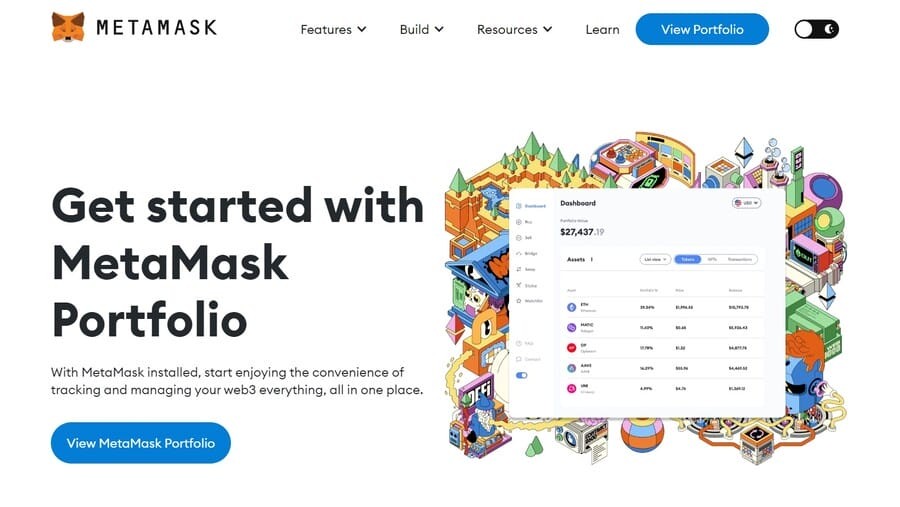
3. MetaMask
Strong integration with DeFi protocols.
Supports ERC20 USDT and can connect via WalletConnect to TRC20/BEP20 bridges.
Weakness: high Ethereum fees and approval risks.
4. Binance Wallet (Custodial)
Integrated with Binance exchange for instant swaps and trading.
Supports all USDT networks.
Custodial risk: “not your keys, not your coins.”

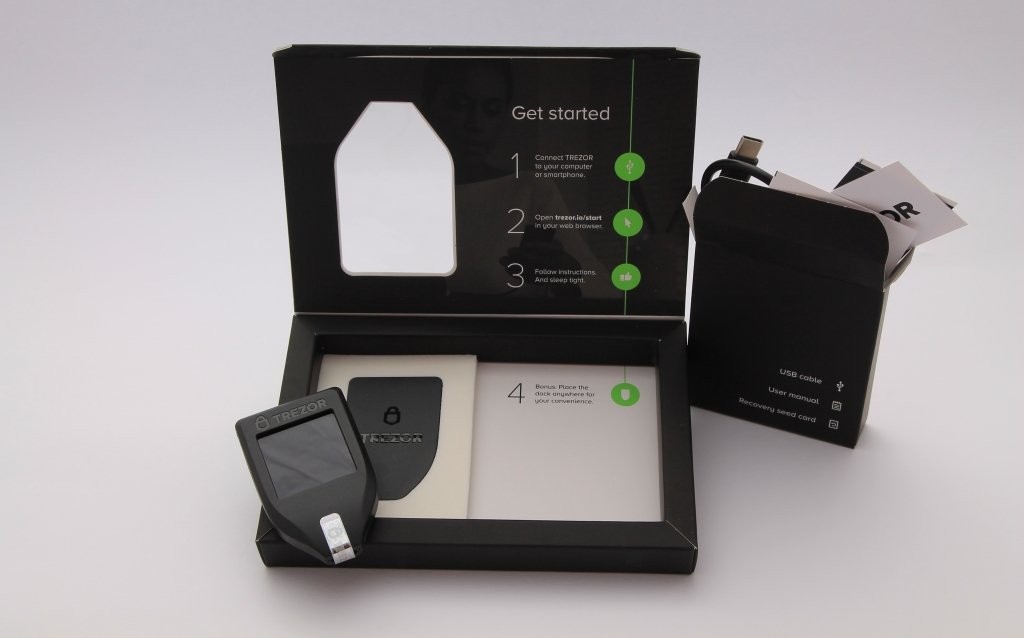
5. Trezor Model T
Cold storage for TRC20, ERC20, and BEP20.
Open-source firmware, good for long-term storage.
Less mobile-friendly compared to Ledger.
| Wallet | Supported Networks | Best For | Security Level | Ease of Use | Downsides |
|---|---|---|---|---|---|
| LedgerNano X | TRC20, ERC20, BEP20 | Long-term holders; maximum safety | Very high (hardware) | Moderate (requires setup) | Costs $100+; less convenient for daily transfers |
| Trust Wallet | TRC20, ERC20, BEP20 | Beginners, small funds, frequent transfers | Medium (hot wallet) | Very easy, user-friendly | Hot wallet risks; less secure for large sums |
| MetaMask | ERC20 (native), TRC20/BEP20 via bridges | DeFi users, advanced traders | Medium (software, local keys) | Easy, with browser/mobile app | High ETH gas fees; risk of malicious approvals |
| Binance Wallet | All USDT networks | Traders who need fast swaps & trading | High (exchange infra, but custodial) | Very easy, exchange-integrated | Custodial risk: Binance controls your keys |
| TrezorModel T | TRC20, ERC20, BEP20 | Secure cold storage, long-term holding | Very high (hardware, open-source) | Less intuitive than Ledger | Not very mobile-friendly |
What is a USDT wallet?
A USDT wallet (also called a Tether wallet) is a digital tool for storing, receiving, and sending Tether. Since USDT exists across multiple blockchains, wallet compatibility is essential:
TRC20 USDT wallet (on TRON): low-cost and fast transactions.
ERC20 USDT wallet (on Ethereum): best for DeFi, but high gas fees.
BEP20 USDT wallet (on BNB Chain): balance of speed and fees.
Cold wallet USDT: hardware-based, ideal for long-term storage.
Why network choice matters: TRC20 vs ERC20 vs BEP20
Recent comparisons highlight major differences among these standards:
TRC20 USDT wallets are the cheapest for transfers, with minimal fees and ~3 second confirmation times.
ERC20 USDT wallets offer access to Ethereum’s vast DeFi ecosystem but are subject to high gas fees, sometimes exceeding $20 per transfer during congestion.
BEP20 USDT wallets provide lower fees than Ethereum and integrate easily with BNB Chain DeFi apps.
Practical tip: for everyday transfers, TRC20USDT wallets are the best option; for DeFi participation, ERC20 USDT wallets are unavoidable.
Hot vs cold wallets: new security research
It’s common knowledge that hot wallets are convenient and cold wallets are safer. But recent studies shed more light:
WalletProbe (2025) tested 39 browser wallets and found 13 attack vectors and 21 attack strategies. Many involved misleading prompts or malicious permissions.
Ethereum Address Poisoning Attacks (2025) revealed that over $100 million has been stolen due to fake transaction histories in wallets. Only ~3 wallets out of 53 tested gave warnings.
Even the “best USDT wallet app” is only as safe as its security practices. Always limit approvals, double-check addresses, and consider hardware wallets for large holdings.
Unique risks and how to avoid them
Even the most trusted USDT wallets are not immune to common threats. From deceptive addresses to cross-chain mistakes, small oversights can lead to significant losses. Understanding these risks and practicing simple security habits greatly reduces your chances of falling victim to them.
Address poisoning. Always verify the full recipient address; don’t trust auto-suggestions.
Unlimited approvals. Revoke token approvals regularly via tools like Etherscan’s Token Approval Checker.
Phishing attacks. Download wallets only from official websites or app stores.
Cross-chain confusion. Sending TRC20 USDT to an ERC20 wallet address results in permanent loss. Always check the network first.
In practical terms, choosing the best USDT wallet is only half the equation. To actually move, trade, or cash out your Tether, you’ll also need access to a reliable crypto exchange that supports USDT across different networks. A good exchange ensures liquidity, fair conversion rates, and faster bank withdrawals. In the table below, we highlight the best crypto exchanges in your region that pair seamlessly with USDT wallets, giving you both security and convenience.
| OKX | Coinbase | Crypto.com | Cryptohopper | BTCC | |
|---|---|---|---|---|---|
|
Min. Deposit, $ |
10 | 10 | 1 | No | 10 |
|
Coins Supported |
600+ | 400+ | 400+ | 1000 | 399 |
|
Spot Taker fee, % |
0.1 | 0.5 | 0.5 | 0 | 0.3 |
|
Spot Maker Fee, % |
0.08 | 0.5 | 0.25 | 0 | 0.2 |
|
Alerts |
Yes | Yes | Yes | Yes | No |
|
Copy trading |
Yes | No | No | Yes | Yes |
|
TU overall score |
8.48 | 7.84 | 7.8 | 7.76 | 7.6 |
|
Open an account |
Go to broker Your capital is at risk. |
Go to broker Your capital is at risk. |
Go to broker Your capital is at risk. |
Go to broker Your capital is at risk. |
Go to broker Your capital is at risk.
|
The best wallet for USDT depends on your usage

From my perspective, the best wallet for USDT depends on your usage. If you transfer USDT daily, a TRC20 USDT wallet app like Trust Wallet saves you money. For large savings, I never recommend keeping USDT in an exchange wallet; instead, use a hardware USDT wallet like Ledger. If you’re active in DeFi, you’ll need an ERC20 USDT wallet despite the gas costs, but be disciplined with approvals and security checks.
Conclusion
Selecting the best USDT wallet ultimately hinges on your specific needs, but prioritizing security and proper network compatibility is non-negotiable. For most users seeking daily transactions with minimal fees, Trust Wallet on TRC20 is a practical choice, whereas long-term holders should opt for the unmatched security of hardware wallets like Ledger Nano X. Active DeFi participants must navigate higher gas fees on ERC20 wallets like MetaMask, but adhering to strict approval and security practices is essential. No matter your strategy, remember that a wallet is only as secure as your habits, so always double-check networks and approvals to keep your USDT safe.
FAQs
What security features should you prioritize when selecting a USDT wallet?
How do network fees differ between USDT wallets on TRC20, ERC20, and BEP20?
What are the common risks people face when using USDT wallets, and how can they be avoided?
Why is network compatibility crucial when choosing a USDT wallet?
Editors' Top Picks and Insights




Related Articles
Team that worked on the article
Ivan is a financial expert and analyst specializing in Forex, crypto, and stock trading. He prefers conservative trading strategies with low and medium risks, as well as medium-term and long-term investments.
Dan Blystone began his trading career in 1998 as an arbitrage clerk on the floor of the Chicago Mercantile Exchange (CME). He later traded bond and Eurex futures at proprietary firms such as Altea Trading, gaining valuable experience in high-frequency trading and risk management.
Chinmay Soni is a financial analyst with more than 5 years of experience in working with stocks, Forex, derivatives, and other assets. As a founder of a boutique research firm and an active researcher, he covers various industries and fields, providing insights backed by statistical data.
Index in trading is the measure of the performance of a group of stocks, which can include the assets and securities in it.
CFD is a contract between an investor/trader and seller that demonstrates that the trader will need to pay the price difference between the current value of the asset and its value at the time of contract to the seller.
Risk management is a risk management model that involves controlling potential losses while maximizing profits. The main risk management tools are stop loss, take profit, calculation of position volume taking into account leverage and pip value.
Ethereum is a decentralized blockchain platform and cryptocurrency that was proposed by Vitalik Buterin in late 2013 and development began in early 2014. It was designed as a versatile platform for creating decentralized applications (DApps) and smart contracts.
Bitcoin is a decentralized digital cryptocurrency that was created in 2009 by an anonymous individual or group using the pseudonym Satoshi Nakamoto. It operates on a technology called blockchain, which is a distributed ledger that records all transactions across a network of computers.

-
 Afghanistan
-
 Albania
-
 Algeria
-
 Angola
-
 Argentina
-
 Armenia
-
 Australia
-
 Austria
-
 Azerbaijan
-
 Bahamas
-
 Bahrain
-
 Bangladesh
-
 Belarus
-
 Belgium
-
 Bolivia
-
 Botswana
-
 Brazil
-
 Brunei
-
 Bulgaria
-
 Cambodia
-
 Cameroon
-
 Canada
-
 Chile
Chile
-
 China
China
-
 Colombia
-
 Congo
Congo
-
 Costa Rica
-
 Cote d'Ivoire
-
 Croatia
-
 Cuba
Cuba
-
 Cyprus
-
 Czechia
-
 DR Congo
-
 Denmark
-
 Dominican Republic
-
 Ecuador
-
 Egypt
Egypt
-
 El Salvador
-
 Estonia
-
 Eswatini
-
 Ethiopia
-
 Finland
-
 France
-
 Georgia
-
 Germany
-
 Ghana
Ghana
-
 Greece
-
 Haiti
Haiti
-
 Hong Kong
-
 Hungary
-
 India
India
-
 Indonesia
-
 Iran, Islamic republic
-
 Iraq
Iraq
-
 Ireland
-
 Israel
-
 Italy
Italy
-
 Jamaica
-
 Japan
Japan
-
 Jordan
-
 Kazakhstan
-
 Kenya
Kenya
-
 Korea
Korea
-
 Kuwait
-
 Kyrgyzstan
-
 Laos
Laos
-
 Latvia
-
 Lebanon
-
 Lesotho
-
 Libya
Libya
-
 Lithuania
-
 Luxembourg
-
 Madagascar
-
 Malaysia
-
 Malta
Malta
-
 Mauritius
-
 Mexico
-
 Moldova
-
 Mongolia
-
 Montenegro
-
 Morocco
-
 Mozambique
-
 Myanmar
-
 Namibia
-
 Nepal
Nepal
-
 Netherlands
-
 New Zealand
-
 Nigeria
-
 North Macedonia
-
 Norway
-
 Oman
Oman
-
 Pakistan
-
 Palestine
-
 Panama
-
 Papua New Guinea
-
 Paraguay
-
 Peru
Peru
-
 Philippines
-
 Poland
-
 Portugal
-
 Puerto Rico
-
 Qatar
Qatar
-
 Reunion
-
 Romania
-
 Rwanda
-
 Saudi Arabia
-
 Serbia
-
 Singapore
-
 Slovakia
-
 Slovenia
-
 Somalia
-
 South Africa
-
 Spain
Spain
-
 Sri Lanka
-
 Sweden
-
 Switzerland
-
 Syria
Syria
-
 Taiwan
-
 Tajikistan
-
 Tanzania
-
 Thailand
-
 Trinidad and Tobago
-
 Tunisia
-
 Turkey
-
 UAE
UAE
-
 Uganda
-
 Ukraine
-
 United Kingdom
-
United States
-
 Uruguay
-
 Uzbekistan
-
 Venezuela
-
 Vietnam
-
 Yemen
Yemen
-
 Zambia
-
 Zimbabwe
- Forex
- Crypto












