
Best Currency To Invest In Brazil – A Smart Investor’s Guide


Editorial Note: While we adhere to strict Editorial Integrity, this post may contain references to products from our partners. Here's an explanation for How We Make Money. None of the data and information on this webpage constitutes investment advice according to our Disclaimer.
Best currencies to invest in Brazil:
Best for stability: US Dollar (USD), Euro (EUR).
Best for long-term growth: Swiss Franc (CHF), Singapore Dollar (SGD).
Best for high-risk, high-reward: Bitcoin (BTC).
Best for diversification: British Pound (GBP), Chinese Yuan (CNY).
Best for local business & spending: Brazilian Real (BRL).
Investing in foreign currencies in Brazil depends on your financial goals. If you want stability, the US Dollar or Euro is ideal. If you seek growth, consider the Swiss Franc or Singapore Dollar. For higher risks and potential rewards, Bitcoin might be an option.
Risk warning: All investments carry risk, including potential capital loss. Economic fluctuations and market changes affect returns, and 40-50% of investors underperform benchmarks. Diversification helps but does not eliminate risks. Invest wisely and consult professional financial advisors.
Best currencies to invest in Brazil
Here are some of the best currencies to invest in Brazil:
US Dollar (USD)
The US Dollar remains the most widely used global reserve currency and a dominant force in international trade and finance. Its strong institutional backing and high liquidity make it a safe choice during economic uncertainty.
- Pros
- Cons
High liquidity.
Global acceptance.
Relative stability in volatile markets.
Sensitive to U.S. monetary and fiscal policy shifts.
Long-term inflationary pressures may reduce value.
Euro (EUR)
The Euro is the official currency of the Eurozone, used by 20+ countries with large, diversified economies. It offers strong stability and serves as a counterbalance to USD exposure in a portfolio.
- Pros
- Cons
Broad economic backing across the EU.
Helps diversify currency risk from the USD.
Vulnerable to political and economic tensions within the Eurozone.
Centralized monetary policy can create imbalances across member states.
Swiss Franc (CHF)
The Swiss Franc is known for its low inflation, fiscal discipline, and the political neutrality of Switzerland. Investors view CHF as a reliable store of value during times of crisis and economic instability.
- Pros
- Cons
Strong and transparent central banking system.
Low exposure to geopolitical risks.
Can be negatively affected by central bank interventions to limit appreciation.
Lower trading volume compared to USD and EUR.
Singapore Dollar (SGD)
The Singapore Dollar reflects the economic strength of Singapore, a major global finance and trade hub. The country maintains a strong regulatory environment and forward-looking economic policies.
- Pros
- Cons
Stable currency with strong fundamentals.
Resilient to regional and global shocks.
Affected by the economic health of nearby Asian markets.
Less commonly used for international reserves.
Bitcoin (BTC)
Bitcoin is a decentralized cryptocurrency offering an alternative to traditional fiat currencies. Its limited supply and growing institutional adoption give it upside potential, but it remains volatile and speculative.
- Pros
- Cons
High return potential and scarcity-based value model.
Decentralized and independent from central banks.
High short-term volatility.
Regulatory and cybersecurity risks.
British Pound (GBP)
The British Pound provides exposure to the UK economy, which remains a major financial center post-Brexit. It’s a legacy currency with strong global ties and often moves independently of the USD and EUR.
- Pros
- Cons
Diversifies away from Eurozone and U.S. monetary policy.
Backed by a developed and service-driven economy.
Sensitive to domestic politics and economic uncertainty post-Brexit.
Exchange rate volatility relative to USD and EUR.
Chinese Yuan (CNY)
The Chinese Yuan gives investors access to one of the world’s fastest-growing economies. With China’s global influence expanding, CNY is gaining more recognition in international trade and finance.
- Pros
- Cons
Exposure to emerging market growth and strong exports.
Increasingly included in global reserve currency baskets.
Controlled currency with capital restrictions.
Limited full convertibility on international markets.
Brazilian Real (BRL)
The BRL is essential for local business, everyday expenses, and investments within Brazil. It reflects domestic economic conditions and is heavily influenced by commodity exports and monetary policy.
- Pros
- Cons
Required for all local transactions and tax payments.
Offers access to domestic market opportunities.
Highly volatile due to inflation and political instability.
Subject to frequent monetary interventions.
Understanding Brazil’s currency & economic situation
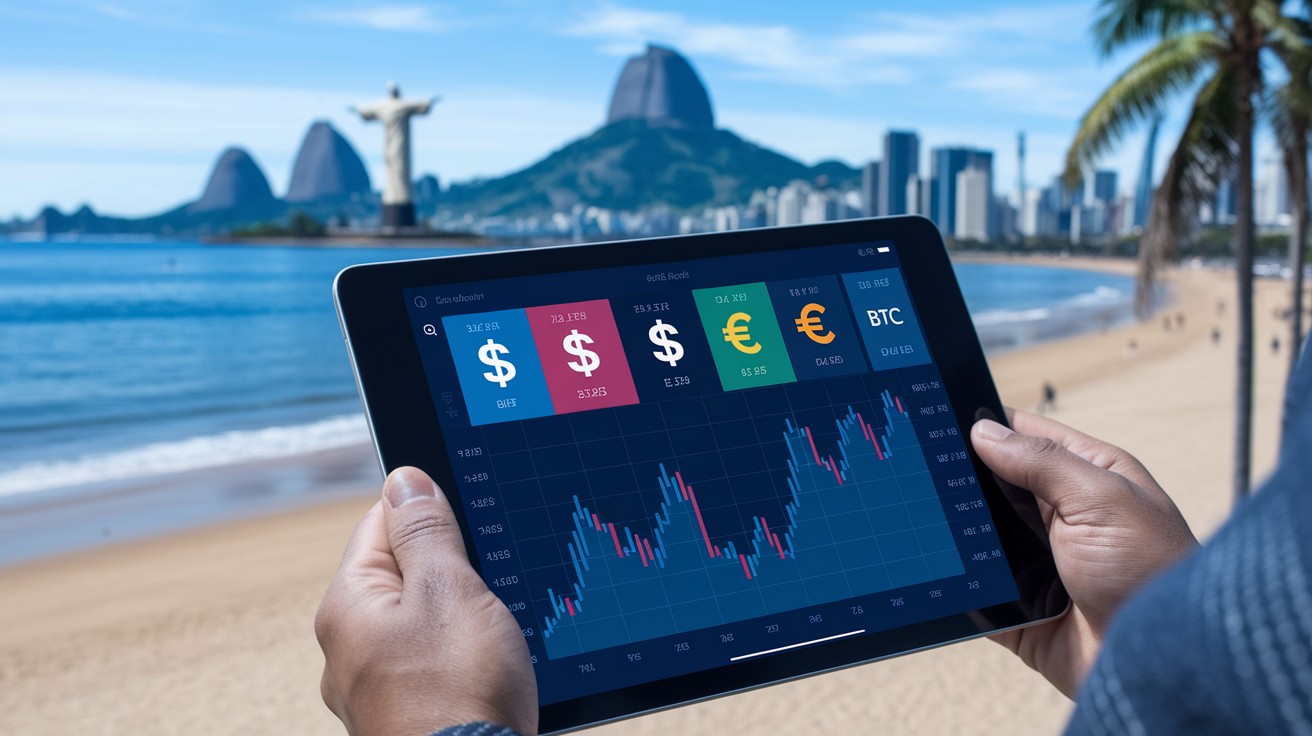
Brazil’s economy in 2026 reflects a challenging environment shaped by inflation pressures, currency volatility, and monetary tightening. The Brazilian real (BRL), the country’s official currency since 1994, remains sensitive to both domestic policies and global market shifts.
Currency fluctuations and policy response
In early April 2025, the Brazilian real experienced sharp fluctuations. On April 3, the exchange rate touched around 0.179 USD, but by April 8, it had fallen to roughly 0.167 USD. This 6.7% drop in less than a week highlights the real’s vulnerability to external developments, particularly shifts in commodity prices, global risk appetite, and U.S. interest rate expectations.
To curb persistent inflation, which reached 5.1% in the 12 months through February 2025, the Central Bank of Brazil raised its key Selic interest rate to 14.25% in March. This marked the highest rate since 2016. While the move is intended to control price growth and maintain currency stability, it also raises borrowing costs for businesses and households, which may weigh on economic activity.
Broader economic outlook
Brazil’s economy is also feeling the impact of slower global trade and weaker demand from key partners like China. At the same time, domestic consumption has been pressured by high interest rates and credit tightening. While the country benefits from strong commodity exports, internal challenges — such as fiscal discipline, infrastructure bottlenecks, and political uncertainty — continue to limit growth potential.
Looking ahead, Brazil’s economic performance will largely depend on how effectively it manages inflation without stalling growth, and how global trends — particularly in interest rates, trade, and commodities — play out in the coming quarters. The real will remain a key barometer of investor confidence and broader economic stability.
Key factors to consider before investing in foreign currencies
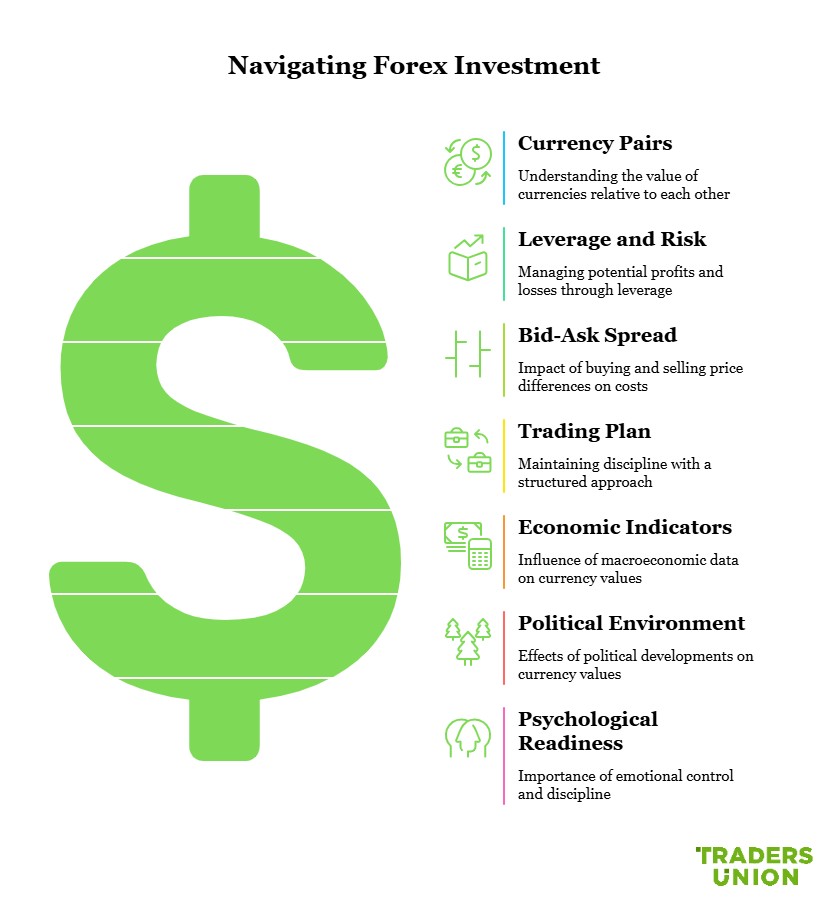
Investing in foreign currencies, also known as Forex trading, offers opportunities for diversification and profit, but it also comes with considerable risks. To make informed decisions, it's important to understand several core elements before stepping into currency markets.
Understand currency pairs
Forex markets operate on pairs — such as EUR/USD, USD/JPY, or GBP/INR. Each pair shows the value of one currency relative to another. It's essential to understand how these pairs are influenced by economic conditions, interest rate policies, inflation trends, and geopolitical events. Knowing the underlying fundamentals of both currencies in a pair helps anticipate potential movements.
Leverage and risk exposure
Leverage is a powerful tool in Forex, allowing traders to control larger positions with smaller amounts of capital. While it can magnify profits, it also increases potential losses. A market move of just 1 percent in the wrong direction can wipe out a highly leveraged position. Managing position size and setting stop-loss orders are critical when using leverage.
Bid-ask spread and liquidity
The bid-ask spread — the difference between the buying and selling price — directly impacts your trading costs. Tighter spreads typically indicate higher liquidity and lower cost, while wider spreads can reduce potential profits. Major currency pairs tend to have lower spreads due to higher trading volumes, whereas exotic pairs often have higher spreads.
Having a trading plan
A well-thought-out trading plan helps maintain discipline. It should define your entry and exit strategy, risk limits, profit targets, and preferred trading sessions. Without a plan, traders often fall into emotional decision-making, which can lead to losses.
Monitoring economic indicators
Currencies are influenced by macroeconomic data such as GDP growth, employment figures, inflation, and interest rate decisions. Keeping an economic calendar and understanding the expected market reaction to these indicators can help you prepare for volatility and align trades with broader trends.
Political and regulatory environment
Currency values can shift significantly based on political developments. Elections, trade agreements, sanctions, and central bank leadership changes all impact investor sentiment. In addition, understand the legal landscape in your country and that of the currency you're trading, especially if you're using foreign-based platforms or brokers.
Psychological readiness
Forex trading is fast-paced and highly volatile. It requires emotional control, discipline, and the ability to accept losses without deviating from your plan. Being mentally prepared is just as important as being financially ready.
How to invest in foreign currencies in Brazil

Here’s how to invest in foreign currencies in Brazil:
Step 1: Choose the right currency
Decide if you want stability, long-term growth, or high-risk investments. Stable reserve currencies like USD and EUR offer security, while CHF and SGD provide growth potential. Cryptocurrencies like Bitcoin (BTC) carry higher risks but also higher rewards.
Consider economic conditions, inflation rates, and global trends. Your financial goals should align with your choice, whether for short-term protection or long-term appreciation.
Step 2: Open a multi-currency account
Brazilian banks offer multi-currency accounts, allowing you to hold and manage different foreign currencies. This keeps your funds secure while giving you flexibility in international transactions.
Such accounts are useful for travelers, investors, and businesses dealing with foreign currencies. Check for fees, exchange rates, and ease of access before choosing a provider.
Step 3: Use Forex platforms
Online Forex trading platforms enable easy buying and selling of foreign currencies. They offer real-time exchange rates, leverage options, and various trading tools.
Choose a regulated and reputable platform with low fees and a user-friendly interface. Beginners should start with small trades and gain experience before taking bigger risks.
Step 4: Consider investment funds
Currency-focused funds or ETFs offer exposure to foreign currencies without direct trading. These funds are managed by professionals who analyze market trends and adjust holdings accordingly.
This is a good option for passive investors who want diversification. Research the fund’s past performance and associated costs before investing.
Step 5: Monitor exchange rates
Exchange rates fluctuate based on economic trends, interest rates, and geopolitical events. Keeping track of these factors helps you make informed investment decisions.
Use financial news, Forex apps, and expert analysis to stay updated. Timing your currency trades wisely can maximize your returns and minimize risks.
We have selected a list of trusted Forex brokers in Brazil based on local accessibility, regulation, and trading conditions.
| IUX | Vantage Markets | Pepperstone | XM | GTCFX | |
|---|---|---|---|---|---|
|
Min. deposit, $ |
50 | 50 | No | 5 | 30 |
|
Currency pairs |
34 | 40 | 90 | 57 | 150 |
|
Demo |
Yes | Yes | Yes | Yes | Yes |
|
Min Spread EUR/USD, pips |
0.6 | 0.3 | 0.5 | 0.7 | 0.3 |
|
Max Spread EUR/USD, pips |
0.8 | 1.4 | 1.5 | 1.2 | 0.8 |
|
Max. Regulation Level |
Tier-1 | Tier-1 | Tier-1 | Tier-1 | Tier-3 |
|
TU overall score |
9.4 | 8.55 | 9.3 | 9.35 | 9.2 |
|
Open an account |
Go to broker Your capital is at risk. |
Go to broker Your capital is at risk. |
Go to broker Your capital is at risk.
|
Go to broker Your capital is at risk. |
Go to broker Your capital is at risk. |
Tracking Brazil’s export cycles and cross-currency strategies for smarter currency investing

If you're just starting to explore currency investing in Brazil, don't blindly chase the real (BRL) or default to the US dollar. Instead, track Brazil’s agricultural export cycles — especially soybeans and coffee — and position yourself accordingly. These exports directly impact foreign exchange inflows and seasonal demand for the real. Many beginners miss this cue, but experienced investors often enter BRL positions ahead of major export surges when dollar inflows naturally strengthen the local currency. Look at port shipping data and trade announcements for leading indicators of BRL appreciation, rather than waiting for the central bank to make a move.
Also, consider pairing your BRL exposure with currencies tied to countries with similar commodity dynamics but different rate cycles, such as the Chilean Peso (CLP) or the South African Rand (ZAR). These aren’t just for hedging — they offer uncorrelated opportunities. For instance, when Brazil's central bank tightens policy while Chile eases, you can capitalize on relative strength or weakness between the currencies. This kind of macro pair trading adds strategic depth without needing to jump into overly volatile emerging market pairs.
Conclusion
The best currency to invest in Brazil depends on your risk tolerance and financial goals, but stability and diversification are crucial in the country’s ever-changing economic landscape. For conservative investors, the US Dollar or Euro provides resilience amid volatility, while those seeking growth might look to the Swiss Franc or Singapore Dollar. More adventurous investors could even explore Bitcoin for high potential returns, though with greater risk. No matter your choice, staying aware of Brazil’s export cycles and monitoring global trends is the key to turning currency investing into a competitive advantage.
FAQs
What role does inflation in Brazil play when investing in foreign currencies?
How important is liquidity when selecting the best currency to invest in Brazil?
Are multi-currency accounts beneficial for managing currency investments in Brazil?
What should investors know about the impact of global economic trends on the best currency to invest in Brazil?
Editors' Top Picks and Insights





Related Articles
Team that worked on the article
Alamin Morshed is a contributor at Traders Union. He specializes in writing articles for businesses that want to improve their Google search rankings to compete with their competition.
Chinmay Soni is a financial analyst with more than 5 years of experience in working with stocks, Forex, derivatives, and other assets. As a founder of a boutique research firm and an active researcher, he covers various industries and fields, providing insights backed by statistical data.
Mirjan Hipolito is a journalist and news editor at Traders Union. She is an expert crypto writer with five years of experience in the financial markets.

-
 Afghanistan
-
 Albania
-
 Algeria
-
 Angola
-
 Argentina
-
 Armenia
-
 Australia
-
 Austria
-
 Azerbaijan
-
 Bahamas
-
 Bahrain
-
 Bangladesh
-
 Belarus
-
 Belgium
-
 Bolivia
-
 Botswana
-
 Brazil
-
 Brunei
-
 Bulgaria
-
 Cambodia
-
 Cameroon
-
 Canada
-
 Chile
Chile
-
 China
China
-
 Colombia
-
 Congo
Congo
-
 Costa Rica
-
 Cote d'Ivoire
-
 Croatia
-
 Cuba
Cuba
-
 Cyprus
-
 Czechia
-
 DR Congo
-
 Denmark
-
 Dominican Republic
-
 Ecuador
-
 Egypt
Egypt
-
 El Salvador
-
 Estonia
-
 Eswatini
-
 Ethiopia
-
 Finland
-
 France
-
 Georgia
-
 Germany
-
 Ghana
Ghana
-
 Greece
-
 Haiti
Haiti
-
 Hong Kong
-
 Hungary
-
 India
India
-
 Indonesia
-
 Iran, Islamic republic
-
 Iraq
Iraq
-
 Ireland
-
 Israel
-
 Italy
Italy
-
 Jamaica
-
 Japan
Japan
-
 Jordan
-
 Kazakhstan
-
 Kenya
Kenya
-
 Korea
Korea
-
 Kuwait
-
 Kyrgyzstan
-
 Laos
Laos
-
 Latvia
-
 Lebanon
-
 Lesotho
-
 Libya
Libya
-
 Lithuania
-
 Luxembourg
-
 Madagascar
-
 Malaysia
-
 Malta
Malta
-
 Mauritius
-
 Mexico
-
 Moldova
-
 Mongolia
-
 Montenegro
-
 Morocco
-
 Mozambique
-
 Myanmar
-
 Namibia
-
 Nepal
Nepal
-
 Netherlands
-
 New Zealand
-
 Nigeria
-
 North Macedonia
-
 Norway
-
 Oman
Oman
-
 Pakistan
-
 Palestine
-
 Panama
-
 Papua New Guinea
-
 Paraguay
-
 Peru
Peru
-
 Philippines
-
 Poland
-
 Portugal
-
 Puerto Rico
-
 Qatar
Qatar
-
 Reunion
-
 Romania
-
 Rwanda
-
 Saudi Arabia
-
 Serbia
-
 Singapore
-
 Slovakia
-
 Slovenia
-
 Somalia
-
 South Africa
-
 Spain
Spain
-
 Sri Lanka
-
 Sweden
-
 Switzerland
-
 Syria
Syria
-
 Taiwan
-
 Tajikistan
-
 Tanzania
-
 Thailand
-
 Trinidad and Tobago
-
 Tunisia
-
 Turkey
-
 UAE
UAE
-
 Uganda
-
 Ukraine
-
 United Kingdom
-
United States
-
 Uruguay
-
 Uzbekistan
-
 Venezuela
-
 Vietnam
-
 Yemen
Yemen
-
 Zambia
-
 Zimbabwe
- Forex
- Crypto












