
What Currency Does Colombia Use? A Comprehensive Guide (2026)


Editorial Note: While we adhere to strict Editorial Integrity, this post may contain references to products from our partners. Here's an explanation for How We Make Money. None of the data and information on this webpage constitutes investment advice according to our Disclaimer.
The official currency is the Colombian peso (COP), a widely accepted and well-established currency, circulated by Banco de la República.
Colombia’s currency plays a key role in both daily transactions and international trade. Whether you're exchanging dollars at the airport or following the USD/COP Forex pair, understanding how the Colombian peso functions helps you make informed financial decisions. This guide will walk you through the basics of using the currency, how it's valued, and where to track reliable exchange rates in real time.
Overview of the Colombian peso (COP)
The Colombian peso (COP) uses the familiar dollar sign ($), sometimes prefixed with “COL$” to distinguish it from the U.S. dollar. Its ISO 4217 currency code is COP. In theory, one peso equals 100 centavos, but inflation has eroded their value; centavo coins are rarely seen. The smallest unit commonly used is the 50‑peso coin, and most prices are rounded to the nearest peso.
Colombia’s central bank, Banco de la República, maintains a free‑floating exchange rate and allows the peso to be priced by market forces. As of June 2025, consumer prices had risen 4.82% over the previous 12 months, still above the bank’s 3% target. Persistent inflation has reduced purchasing power and discouraged production of low‑denomination coins, highlighting the importance of vigilance when trading or spending COP.
Issuing authority: Banco de la República and monetary policy
Banco de la República, established in 1923, is the sole issuer of Colombia’s currency and the steward of monetary policy. The central bank operates independently and has a mandate to maintain price stability and support economic growth. Its key responsibilities include:
Setting benchmark interest rates. The bank’s policy rate influences lending costs, capital flows and the value of the peso. In July 2025, analysts expected the bank to cut its benchmark rate to 9 % following a slowdown in inflation, though projections suggest inflation may remain above the 3 % target into 2026. Changes in the policy rate can attract or deter foreign investment, causing the peso to appreciate or depreciate.
Managing liquidity and foreign reserves. The bank conducts open‑market operations and, when necessary, intervenes in currency markets to smooth excessive volatility. Colombia’s exchange rate regime is classified as free floating by the IMF, giving the bank flexibility to respond to shocks.
Publishing data and analysis. Banco de la República regularly releases reports on inflation, economic growth and international reserves. These publications are essential reading for investors who trade the COP. For example, the central bank’s 2026 monetary policy report noted that inflation declined significantly from 9.3 % in 2023 but could remain above target due to fiscal pressures and global uncertainty.
Exploring digital currency. While many countries are experimenting with central bank digital currencies (CBDCs), Colombia has opted for caution. According to a January 2025 report from Banco de la República, there are currently no sufficient reasons to issue a retail or wholesale CBDC. The central bank’s analysis concluded that potential benefits such as financial inclusion and competition could be achieved through alternative policies. Nevertheless, the bank continues research on how a digital peso might affect monetary policy and payment systems.
For traders, the bank’s interest‑rate decisions and communications are leading indicators of currency direction. For tourists, the central bank’s anti‑counterfeiting measures ensure confidence in the banknotes you carry.
History and evolution of the Colombian peso
Colombia’s currency journey reflects its political and economic history. The peso replaced the Spanish real in 1810 amid independence struggles. For much of the 19th century, regional civil wars and the absence of a strong central bank fueled rampant inflation and currency fragmentation, and several provinces issued their own notes.
In 1923, the creation of Banco de la República helped stabilize the currency by introducing a gold‑backed peso and establishing monetary discipline. During the late 20th century, Colombia experienced high inflation; the average annual inflation rate exceeded 20% in the 1970s and 1980s. Radical reforms in the 1990s, including inflation targeting and a gradual shift to a floating exchange rate, curbed price growth and integrated Colombia into global financial markets. Understanding this history explains why modern policymakers remain vigilant: they still recall periods when double‑digit inflation eroded wages and savings.
Banknotes and coins in circulation (2026)
Banknotes
Colombian banknotes feature prominent cultural figures and natural landscapes, reflecting the nation’s diversity. Beyond aesthetics, the central bank has incorporated advanced security features like holograms, watermarks and raised printing to deter counterfeiting.
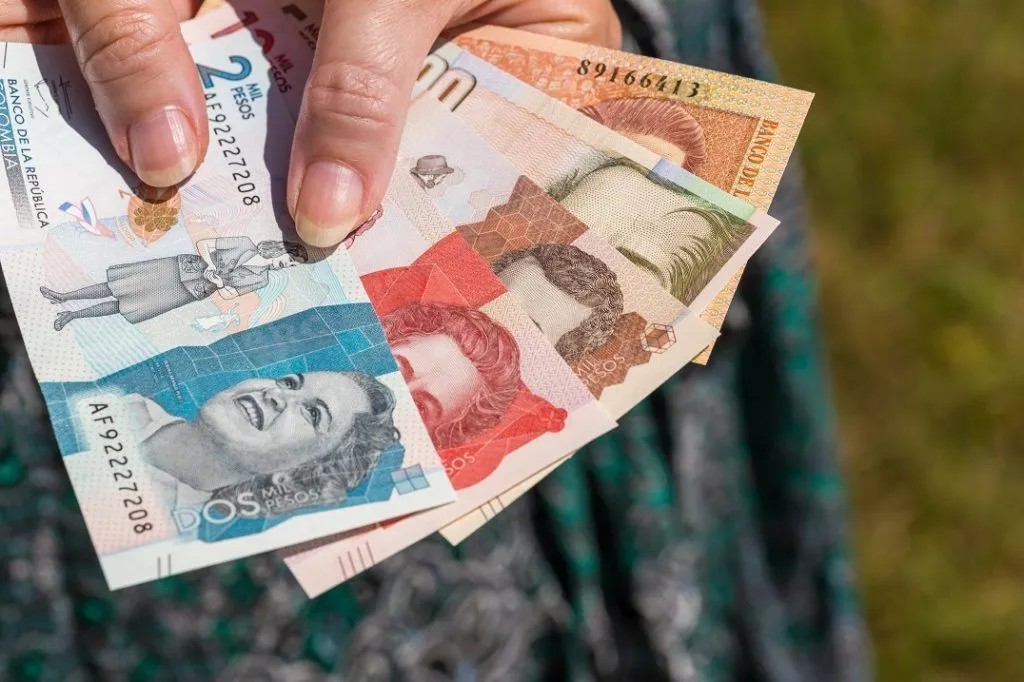
The 2026 series includes:
| Denomination | Notable figures and imagery | Features |
|---|---|---|
| $2,000 | Painter Débora Arango and the Caño Cristales river, also known as the “River of Five Colours.” | Microtext, colour‑shifting ink, and a transparent window highlighting biodiversity. |
| $5,000 | Poet José Asunción Silva, with imagery of the páramo ecosystem. | Braille markings for the visually impaired and fluorescent fibres under UV light. |
| $10,000 | Scenes of Antioquia culture and the Chiribiquete National Park. | 3D security thread and watermark of the park’s jaguars. |
| $20,000 | Former President Alfonso López Michelsen and Amazon region motifs. | Magnetic ink and see‑through register forming the outline of the Amazon river. |
| $50,000 | Nobel laureate Gabriel García Márquez and Ciudad Perdida (Lost City). | Metallic patch and dynamic colour bands that change when tilted. |
| $100,000 | President Carlos Lleras Restrepo and Cocora Valley’s wax palm trees. | Transparent top‑to‑bottom window and microperforations forming the letters “BR.” |
Coins
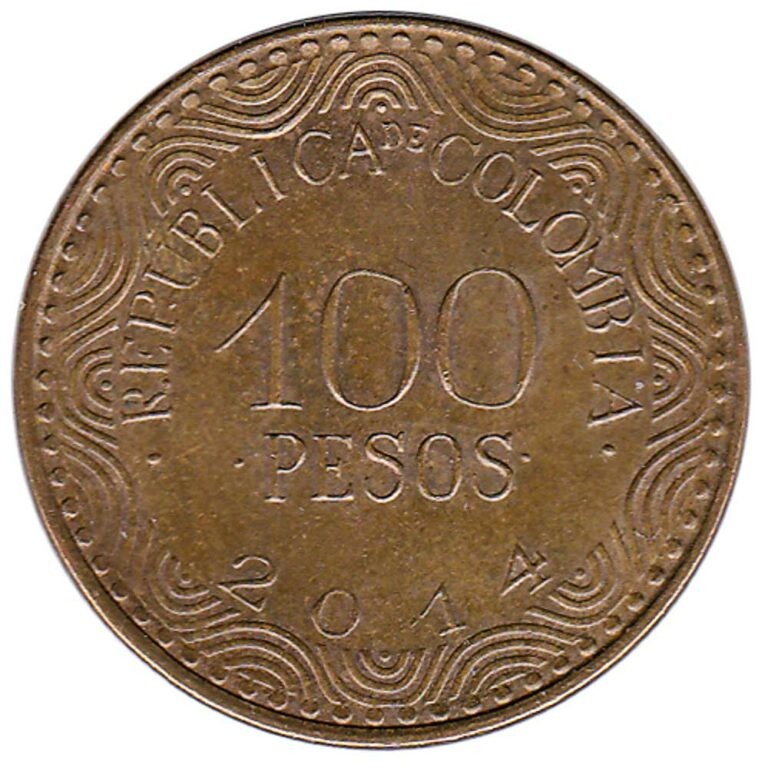
Colombia’s coin series celebrates its rich biodiversity. Circulating coins display native species such as the spectacled bear (50 peso), glass frog (100 peso), hammerhead shark (200 peso), orchid flower (500 peso) and loggerhead sea turtle (1,000 peso). Due to inflation and the cost of minting, smaller centavo coins have been phased out.
Current exchange rate and inflation data (2026)
Colombia operates a free‑floating currency, meaning market forces set the USD/COP exchange rate. The peso often moves with global risk appetite and commodity prices. As of July 2025, one U.S. dollar bought roughly 4,200 pesos, a modest appreciation from the highs above 4,400 COP per USD recorded in January 2025.
The year 2025 has seen inflation decline from double‑digit rates in 2023 to around 4.8% in June. Although this represents progress, analysts expect inflation to remain above the 3% target through 2026, partly due to fiscal deficits and structural labour costs. For traders, this suggests the central bank may continue a cautious easing cycle, potentially lowering policy rates gradually to support growth while keeping inflation expectations anchored.
Exchange rates reflect not just domestic conditions but global factors. For instance, a surge in U.S. Treasury yields or a drop in crude oil prices, one of Colombia’s main exports, can weaken the COP. Conversely, strong oil prices and stable political conditions can attract foreign investment and bolster the peso.
Where can you use the Colombian peso?
If you’re visiting Colombia, you need to know which currency Colombia uses in day‑to‑day transactions. The answer is exclusively COP; foreign currencies like U.S. dollars or euros are generally not accepted except at airports or high‑end hotels. Here are practical tips:
Cash remains king outside major cities. In rural areas and small towns, cash transactions dominate. Carry small bills, 20,000 and 50,000 COP notes, because vendors often lack change for the 100,000 COP note.
ATMs are widely available. Major banks such as Bancolombia, Davivienda and Banco de Bogotá operate ATMs compatible with Visa, Mastercard and Maestro cards. However, withdrawal fees vary, so check with your home bank.
Cards accepted with surcharges. Credit and debit cards are accepted in large cities, but some merchants add a surcharge of around 3 % to cover processing costs. Always ask about fees before paying.
Exchange caution. Exchange rates offered at airports can be less favourable. It is usually better to withdraw pesos from ATMs or use authorized exchange houses (casas de cambio) in city centres. When bringing more than US$10,000 in cash into Colombia, you must declare it at customs.
Colombian peso in the Forex market
On global currency desks, the COP is considered an “exotic” currency, less liquid than majors like the euro or yen but offering unique opportunities. The most liquid pairing is USD/COP, often used by institutions to hedge Colombian investments or speculate on emerging‑market trends. Because COP trading volumes are lower than those of G10 currencies, spreads can widen quickly, and slippage is common. Traders must account for these costs when sizing positions.
Key economic influences on the peso
Oil and commodities. Colombia is a mid‑sized crude oil producer. Rising oil prices improve the country’s terms of trade, strengthening the peso. Conversely, a collapse in oil prices can pressure government revenue and weaken the currency.
Interest‑rate differentials. If Colombia’s policy rate is significantly higher than U.S. rates, the carry trade becomes attractive, drawing capital into peso‑denominated assets. Expectations of rate cuts (e.g., the July 2025 forecast to 9%) may lessen this appeal.
Fiscal and political stability. Investors monitor fiscal deficits, tax reforms and political developments. For example, concerns over Colombia’s fiscal outlook have led analysts to warn that inflation could remain above target and impede deeper rate cuts.
Global risk appetite. As a higher‑beta currency, the COP tends to weaken when investors flee emerging markets. During global crises, safe‑haven flows into dollars can push USD/COP higher; when risk appetite returns, the peso often rebounds.
Brokers offering USD/COP trading
Traders interested in the Colombia currency need brokers that provide access to the USD/COP pair. The following table compares several platforms vetted by our experts:
| IUX | Exness | Pepperstone | Vantage Markets | GTCFX | |
|---|---|---|---|---|---|
|
COP |
Yes | Yes | Yes | Yes | Yes |
|
Currency pairs |
34 | 100 | 90 | 40 | 150 |
|
Min. deposit, $ |
50 | 10 | No | 50 | 30 |
|
Max. leverage |
1:3000 | 1:2000 | 1:500 | 1:2000 | 1:1000 |
|
Deposit fee, % |
No | No | No | No | No |
|
Withdrawal fee, % |
No | No | No | No | No |
|
TU overall score |
9.4 | 9.1 | 9.3 | 7.95 | 9.2 |
|
Open an account |
Go to broker Your capital is at risk. |
Go to broker Your capital is at risk.
|
Go to broker Your capital is at risk.
|
Go to broker Your capital is at risk. |
Go to broker Your capital is at risk. |
Note: As an exotic pair, USD/COP exhibits wider spreads and lower liquidity than major pairs. Some brokers require higher margins to compensate for volatility. Always check your broker’s margin requirements and swap‑free options if you need to avoid overnight interest.
Practical tips for traders and tourists
Assess political and economic risks
Stay informed. Regularly monitor Colombia's political landscape and economic indicators, such as GDP growth, inflation rates, and central bank policies. Political instability or economic shifts can significantly impact the Colombian Peso (COP) value.
Risk management. Implement robust risk management strategies to mitigate potential losses arising from sudden market movements due to geopolitical events.
Optimize trading during peak liquidity hours
Market overlap. Trade during the overlap of U.S. and Colombian market hours, typically between 14:00 and 18:00 UTC. This period often offers higher liquidity and more favorable trading conditions for the USD/COP pair.
Volatility awareness. Be prepared for increased volatility during these hours, which can present both opportunities and risks.
Anticipate spread widening during key economic releases
Economic calendars. Keep track of scheduled economic data releases from both the U.S. and Colombia. Events such as employment reports, inflation data, and central bank announcements can cause spreads to widen temporarily.
Execution caution. Exercise caution when entering trades around these times to avoid unfavorable pricing.
Understand the characteristics of exotic pairs
Lower liquidity. Recognize that exotic pairs like USD/COP typically have lower liquidity compared to major currency pairs, leading to wider spreads and potential slippage.
Cost considerations. Factor in these characteristics when planning trades, as they can affect transaction costs and execution.
Use technical and fundamental analysis
Technical tools. Apply technical analysis techniques, such as support and resistance levels, trend lines, and indicators, to identify potential entry and exit points.
Fundamental insights. Combine technical analysis with fundamental insights to make well-informed trading decisions.
Use the Colombian peso wisely with cash tips and exchange strategies

If you’re heading to Colombia, simply knowing that the Colombian peso (COP) is the official currency isn’t enough. What beginners often miss is that Colombia operates with a dual cash economy: large cities like Bogotá and Medellín lean heavily on digital payments, while rural regions often remain cash-first. This means withdrawing pesos in small denominations is essential, since many smaller shops, taxis, and markets will either reject large bills or quietly charge more for breaking them.
An easy travel hack is to withdraw money in ATMs located inside major supermarkets or malls, as they provide safer access and often dispense mixed denominations that save you from the “no change” problem.
Another detail beginners overlook is that the COP is one of the most volatile Latin American currencies, heavily influenced by oil exports and shifting U.S. dollar strength. For travelers and traders alike, this volatility means exchange timing matters. If you’re exchanging abroad, you’ll often get a poor rate compared to Colombia itself, but inside the country avoid airport kiosks and instead look for casas de cambio in business districts. Checking USD/COP trends a week before travel can help you lock in better value and avoid unnecessary losses from short-term swings, especially since daily fluctuations can be larger than most first-time visitors expect.
Conclusion
In summary, understanding and efficiently managing the Colombian peso (COP) is essential for anyone engaging with Colombia’s economy in 2026. The article highlights that being informed about exchange rates and reputable places to trade currency can significantly enhance your financial experience, whether you’re a traveler or investor. For example, using official exchange offices and monitoring market trends ensures you get the best value for your money. Ultimately, a strong grasp of COP can turn currency exchange from a challenge into a strategic advantage, empowering you to make savvy decisions and maximize every peso spent or exchanged in Colombia.
FAQs
What are the most commonly used denominations of the Colombian peso for everyday transactions?
Can you use foreign currencies like the US dollar or euro for purchases in Colombia?
How does Colombia's free-floating currency regime impact exchange rates for travelers and traders?
Are there any practical tips for accessing cash and managing payment methods while visiting Colombia?
Editors' Top Picks and Insights




Related Articles
Team that worked on the article
Michael has decades of experience as a professional trader, hedge fund manager and incubator of emerging traders. He has built a number of trading analytic platforms with 3 successful exits and has served as the CEO of a regulated CFD broker and as a director of a public company in his late 20’s.
Dan Blystone began his trading career in 1998 as an arbitrage clerk on the floor of the Chicago Mercantile Exchange (CME). He later traded bond and Eurex futures at proprietary firms such as Altea Trading, gaining valuable experience in high-frequency trading and risk management.
Chinmay Soni is a financial analyst with more than 5 years of experience in working with stocks, Forex, derivatives, and other assets. As a founder of a boutique research firm and an active researcher, he covers various industries and fields, providing insights backed by statistical data.

-
 Afghanistan
-
 Albania
-
 Algeria
-
 Angola
-
 Argentina
-
 Armenia
-
 Australia
-
 Austria
-
 Azerbaijan
-
 Bahamas
-
 Bahrain
-
 Bangladesh
-
 Belarus
-
 Belgium
-
 Bolivia
-
 Botswana
-
 Brazil
-
 Brunei
-
 Bulgaria
-
 Cambodia
-
 Cameroon
-
 Canada
-
 Chile
Chile
-
 China
China
-
 Colombia
-
 Congo
Congo
-
 Costa Rica
-
 Cote d'Ivoire
-
 Croatia
-
 Cuba
Cuba
-
 Cyprus
-
 Czechia
-
 DR Congo
-
 Denmark
-
 Dominican Republic
-
 Ecuador
-
 Egypt
Egypt
-
 El Salvador
-
 Estonia
-
 Eswatini
-
 Ethiopia
-
 Finland
-
 France
-
 Georgia
-
 Germany
-
 Ghana
Ghana
-
 Greece
-
 Haiti
Haiti
-
 Hong Kong
-
 Hungary
-
 India
India
-
 Indonesia
-
 Iran, Islamic republic
-
 Iraq
Iraq
-
 Ireland
-
 Israel
-
 Italy
Italy
-
 Jamaica
-
 Japan
Japan
-
 Jordan
-
 Kazakhstan
-
 Kenya
Kenya
-
 Korea
Korea
-
 Kuwait
-
 Kyrgyzstan
-
 Laos
Laos
-
 Latvia
-
 Lebanon
-
 Lesotho
-
 Libya
Libya
-
 Lithuania
-
 Luxembourg
-
 Madagascar
-
 Malaysia
-
 Malta
Malta
-
 Mauritius
-
 Mexico
-
 Moldova
-
 Mongolia
-
 Montenegro
-
 Morocco
-
 Mozambique
-
 Myanmar
-
 Namibia
-
 Nepal
Nepal
-
 Netherlands
-
 New Zealand
-
 Nigeria
-
 North Macedonia
-
 Norway
-
 Oman
Oman
-
 Pakistan
-
 Palestine
-
 Panama
-
 Papua New Guinea
-
 Paraguay
-
 Peru
Peru
-
 Philippines
-
 Poland
-
 Portugal
-
 Puerto Rico
-
 Qatar
Qatar
-
 Reunion
-
 Romania
-
 Rwanda
-
 Saudi Arabia
-
 Serbia
-
 Singapore
-
 Slovakia
-
 Slovenia
-
 Somalia
-
 South Africa
-
 Spain
Spain
-
 Sri Lanka
-
 Sweden
-
 Switzerland
-
 Syria
Syria
-
 Taiwan
-
 Tajikistan
-
 Tanzania
-
 Thailand
-
 Trinidad and Tobago
-
 Tunisia
-
 Turkey
-
 UAE
UAE
-
 Uganda
-
 Ukraine
-
 United Kingdom
-
United States
-
 Uruguay
-
 Uzbekistan
-
 Venezuela
-
 Vietnam
-
 Yemen
Yemen
-
 Zambia
-
 Zimbabwe
- Forex
- Crypto










- Overview of the Colombian peso (COP)
- History and evolution of the Colombian peso
- Banknotes and coins in circulation
- Current exchange rate and inflation data
- Where can you use the Colombian peso?
- Colombian peso in the Forex market
- Brokers offering USD/COP trading
- Practical tips for traders and tourists
- Expert opinion
- Conclusion
- FAQs


