
How To Set Up A Cold Wallet: Full 2026 Guide For Traders


Editorial Note: While we adhere to strict Editorial Integrity, this post may contain references to products from our partners. Here's an explanation for How We Make Money. None of the data and information on this webpage constitutes investment advice according to our Disclaimer.
How to create a cold wallet for cryptocurrency:
As crypto thefts hit record highs, learning how to make a cold wallet has become essential for anyone serious about protecting their digital assets. This guide walks you through the entire process, from selecting the most secure option to understanding how to set up a cold wallet properly. Whether you’re new to crypto or an experienced trader, you’ll discover practical tools, expert-backed methods, and real-world insights to help you keep your funds safely stored offline.
How do i get a cold wallet for crypto: step-by-step guide
A cold wallet is a cryptocurrency storage solution that remains disconnected from the internet. Unlike hot wallets, which operate in connected environments, cold wallets minimize the threat of unauthorized remote access.
Decide on the threat model
Map what you’re defending against (malware, supply-chain tampering, theft, fire/flood) and choose a hardware wallet that supports the features you need (air-gapped signing, passphrase, Shamir backup).

Buy from official sources & verify
Purchase directly from the maker (e.g., Ledger, Trezor) or authorized resellers; verify anti-tamper and authenticity checks on arrival.

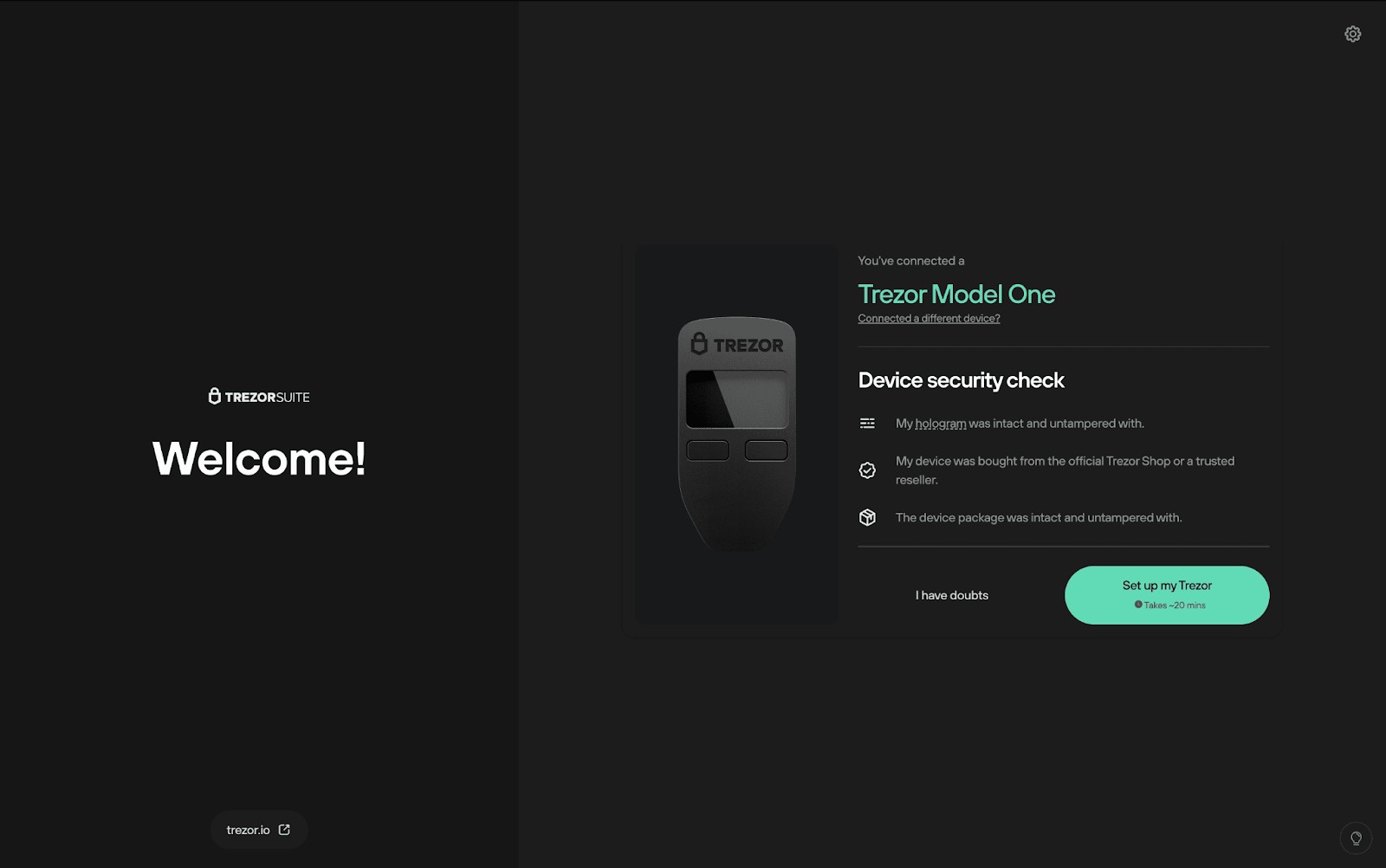
Check packaging, run the vendor’s “genuine check,” and update firmware only through official channels before generating any keys.
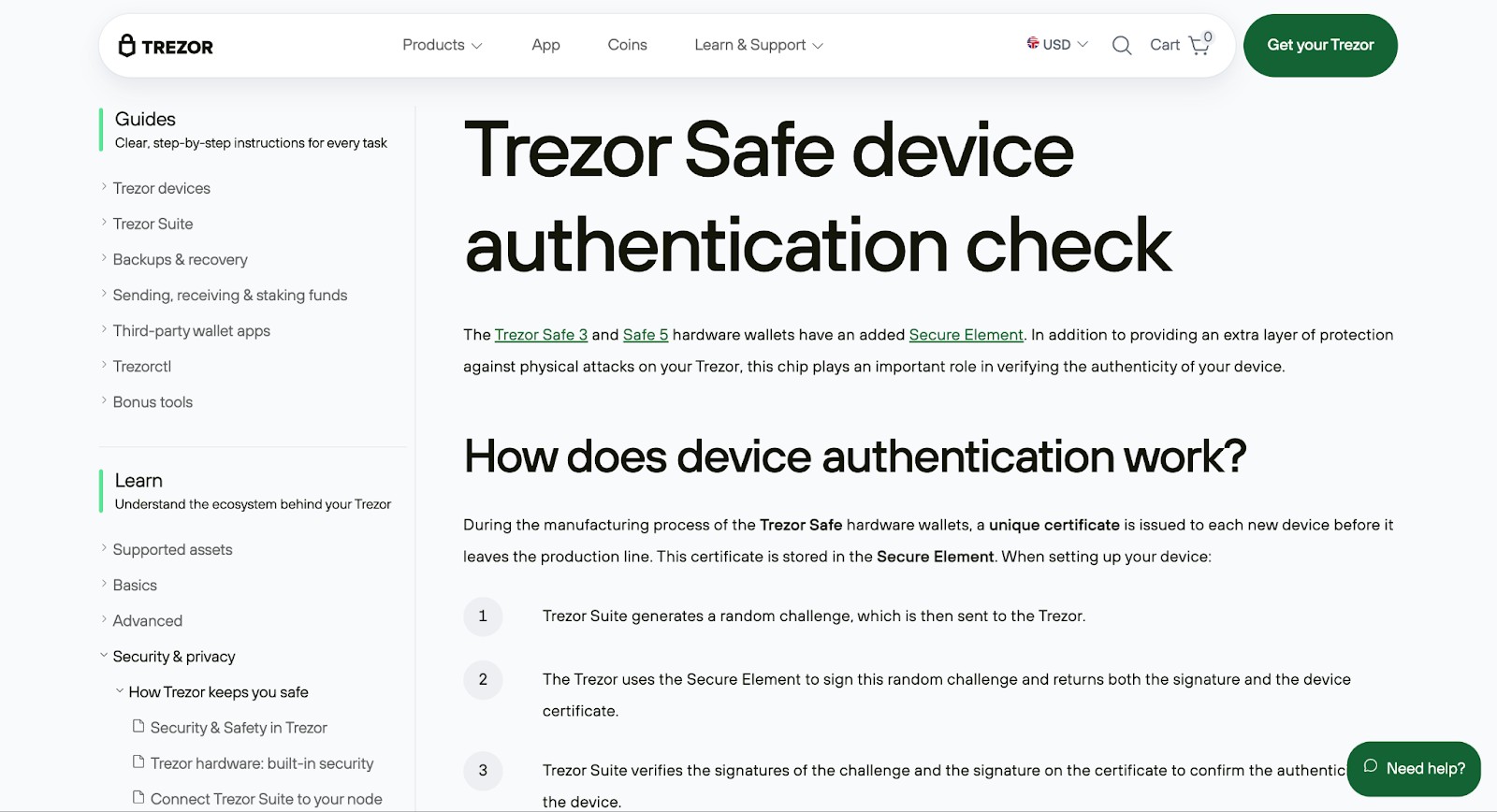
Offline initialization & baseline hardening
Do the first-time setup and seed generation away from networks; keep the device air-gapped except when broadcasting signed transactions.
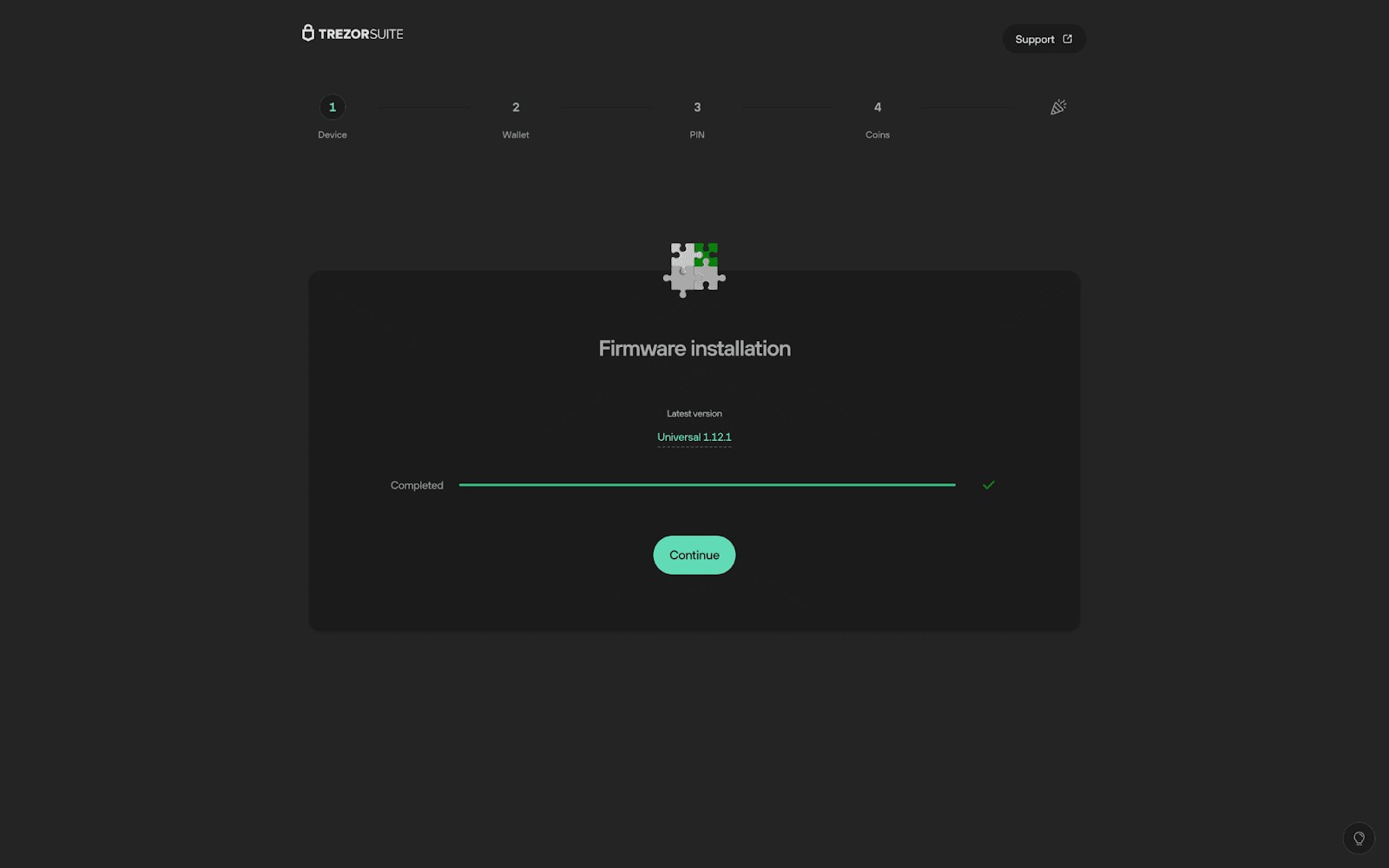
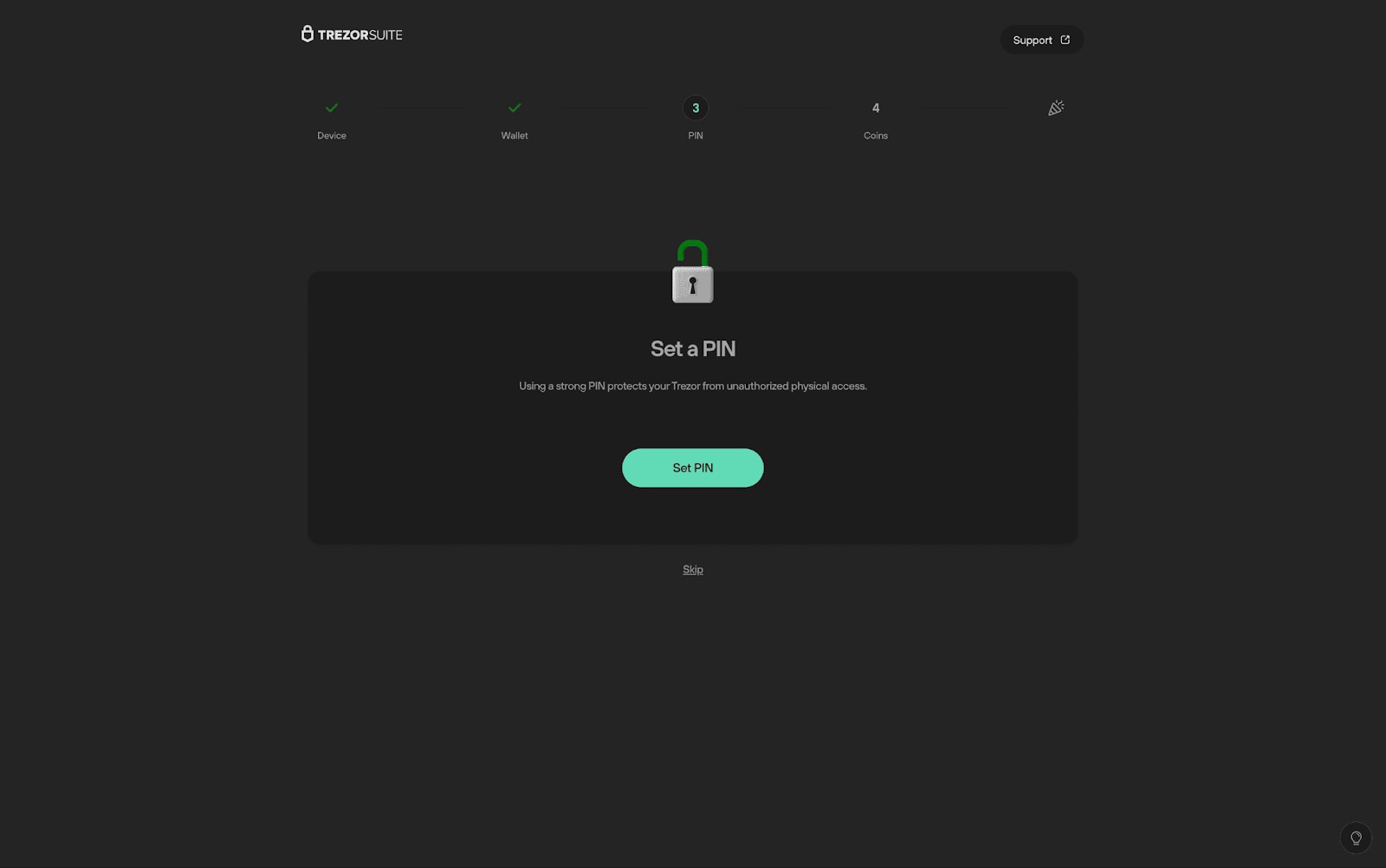
Use a long PIN and (optionally) a BIP39 passphrase; for any wallet-manager account, prefer a long passphrase (≥15 chars) per NIST guidance.
Back up and test recovery
Write the seed by hand on paper first; then migrate to a steel backup (Billfodl/Cryptosteel) to resist fire, water, and impact.

On Trezor, split recovery into multiple shares (SLIP-39) with a threshold, useful for distributing risk across locations or people.
Add receive address hygiene
When funding, verify the full address on the hardware screen (not just copied text) and send a tiny test transaction first.
Physical security & continuity plan
Store the device and backups separately (safe, tamper-evident bags). Document access procedures for heirs without revealing the seed itself.
Why cold wallets matter in 2026
H1-2025 already surpassed all of 2024 for crypto thefts, with industry trackers logging ~$2.17B–$2.5B lost to hacks and scams, setting a pace toward ~$4B+ for the year and underscoring the need for true offline custody.
Single-point exchange failures got bigger. The Bybit incident (~$1.5B) became the largest exchange heist on record, proving that even “cold” exchange wallets can become hot targets during operations and that exchange custody concentrates risk you can’t control.
Nation-state actors shifted targets. North Korea–linked groups escalated from DeFi bridges to service providers and high-net-worth individuals, using social engineering and supply-chain tactics, threats that cold, offline signing helps contain by removing always-online key exposure.
Hot-wallet phishing surged. Mid-year analyses show the biggest bucket of losses came from compromised wallets and phishing; isolating private keys in an air-gapped or hardware device breaks the kill chain even when a laptop or browser session is fooled.
Supply-chain risks demand true offline discipline. Recent npm/JavaScript package incidents show how quickly malicious updates can touch web wallets and browser extensions; cold signing neutralizes these runtime risks because transactions are approved on a separate device.
Institutional standards are rising. As custodians move to MPC and bank-grade controls, self-custody users should mirror the principle, segregate signing devices, enforce multisig/threshold approvals, and keep at least one key on a device that never touches the internet.
Types of cold wallets for traders
Understanding how to get a cold wallet for crypto begins with choosing the right type of storage. Cold wallets differ in security level, accessibility, and cost. For traders, the choice should depend on portfolio size, trading frequency, and risk appetite.
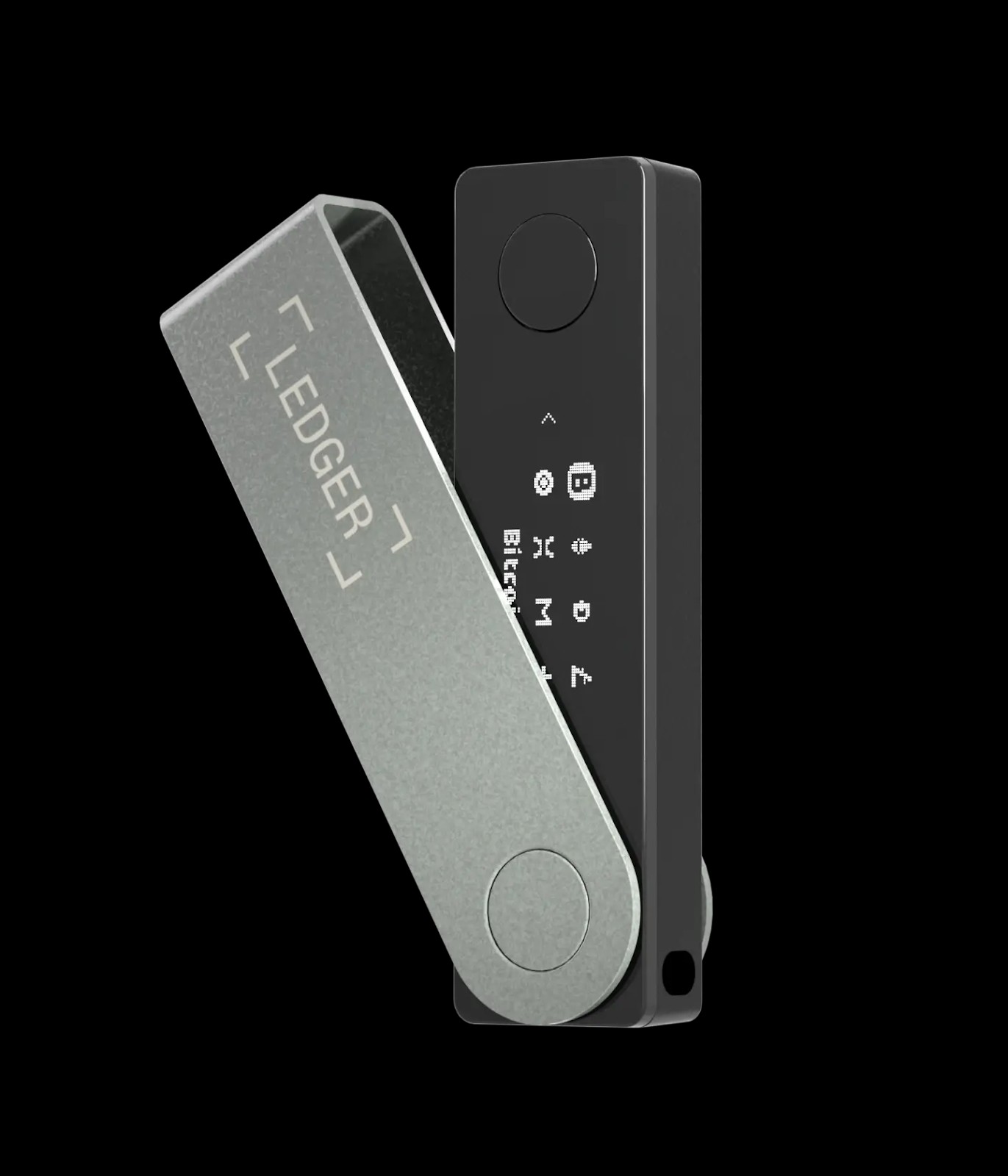
Hardware wallets
Pick mature devices with wide coin support. Mainstream choices (Ledger, Trezor, SafePal, BitBox, Coldcard, Keystone) balance usability and security; typical retail pricing spans roughly $60–$220 depending on radios, screens, and secure elements.
Understand vendor trade-offs. Some devices add convenience features (Bluetooth, optional cloud recoveries) that expand attack surface or trust assumptions; review vendor incident histories and update policies.
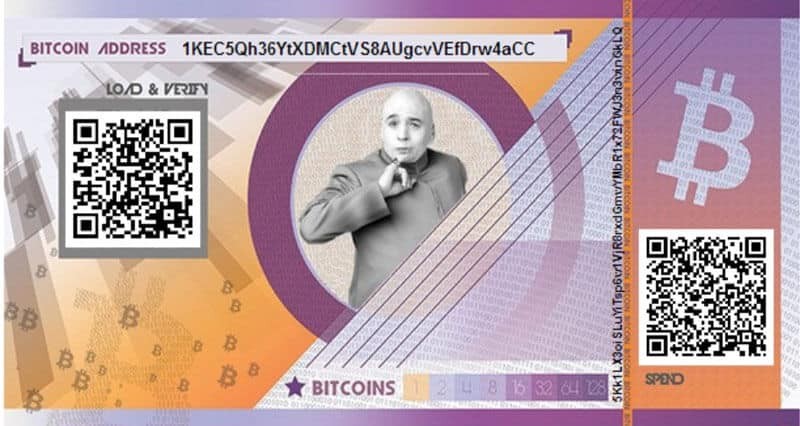
Paper wallets
Keys generated offline and printed as QR codes.
Extremely low cost but vulnerable to physical damage, loss, or theft.
Requires careful handling and is best for long-term storage with minimal access.
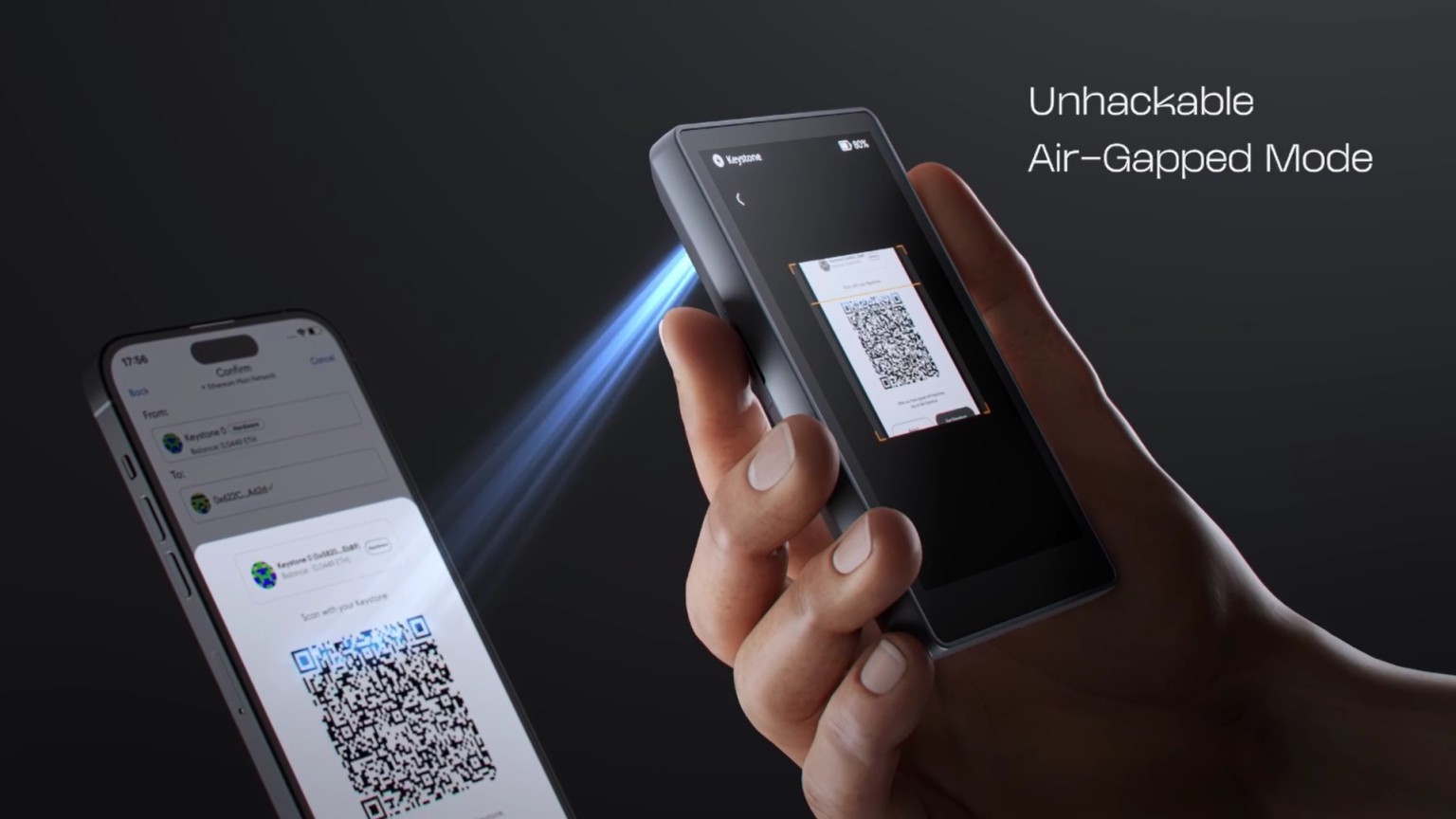
Air-gapped devices
Use QR-only signing to remove cables. Devices like Ellipal or Keystone sign transactions via camera/QR, staying offline; great for vaulting but with more setup and cost than USB sticks.
Plan operational hygiene. Air-gapped rigs still need firmware integrity checks, secure update flows, and redundant, offline seed backups.
Multisignature cold wallets
Distribute trust across people and places. Popular schemes (2-of-3, 3-of-5) reduce single-point failure and are widely used by funds and DAOs; leading coordinators include Safe{Wallet}, Casa, BitGo, and Electrum.
Expect higher setup complexity. Document recovery, test spending, and simulate key loss before depositing real size.
| Wallet type | Security level | Typical cost | Backup style | Best for | Notable weaknesses |
|---|---|---|---|---|---|
| Hardware wallet | High | ~$60-220 | 12–24-word seed (+passphrase) | Most retail traders, long-term holders | Vendor feature trade-offs; firmware trust and supply-chain vigilance needed. |
| Paper wallet | Medium (theoretical) | ~$0–$5 | Printed QR / written keys | Ultra-low-cost, one-way deposits | Physical degradation, printing leaks, operational errors; largely discouraged now. |
| Air-gapped device | Very high | ~$150–$300+ | Offline digital + metal backups | High-net-worth vaulting | More steps; firmware/update discipline required. |
| Multisignature wallet | Very high | Variable (devices + service) | Multiple seeds/keys | Companies, funds, shared control | Coordination overhead; must rehearse recovery. |
Ledger vs Trezor
For traders researching setting up a cold wallet for crypto, the two most widely trusted brands remain Ledger and Trezor. Both provide secure, offline key storage but take different paths on hardware, firmware, and transparency. Ledger emphasizes secure chips and broad coin support, while Trezor appeals to users who value open-source design and advanced recovery options. Below is a detailed 2026 comparison.
| Feature | Ledger | Trezor |
|---|---|---|
| Security Architecture | Secure Element (CC EAL5+ certified chip), resistant to tampering | General-purpose MCU, fully open-source but without secure element |
| Firmware | Closed source, audited by third parties | Open-source, verifiable by the community |
| Supported Cryptos | 5,500+ coins and tokens | 1,200+ coins and tokens |
| Backup Options | Standard 24-word seed phrase | 12–24-word seed + Shamir Backup (split-key recovery) |
| Ease of Use | Intuitive mobile and desktop apps | Slightly more technical, but offers better transparency |
| Integration | Works with Ledger Live + 50+ third-party apps | Integrates with Electrum, MetaMask, and open-source apps |
| Price Range | $79–$149 | $69–$219 |
| User Trust (2026) | Facing scrutiny after “Ledger Recover” cloud-based backup controversy | Favored by transparency advocates and the open-source community |
| Best For | Traders needing maximum asset support and plug-and-play setup | Traders prioritizing open-source trust and advanced recovery mechanisms |
Cold wallets in practice: key statistics
After another bruising year for hacks and scams, on-device storage moved from “nice to have” to default hygiene for many holders and finance teams; Chainalysis’ 2025 update logged more than $2.17B stolen from services by mid-year, already worse than all of 2024, pushing assets off internet-exposed venues.
Hardware wallet demand hit record levels. Industry trackers estimate the hardware-wallet market at roughly $0.56B in 2025 with ~30%+ CAGR through 2030, reflecting durable, not faddish, demand; spikes around exchange incidents and scam cycles keep pulling new cohorts into cold storage.
Regulation is nudging stronger segregation. As MiCA phases in across the EU (CASP rules applying from Dec 30, 2024) supervisors are pressing for clearer asset segregation and safekeeping standards, practically steering firms toward offline or qualified-custodian setups for treasury portions.
AI-supercharged scams accelerated the offline shift. Reuters reported scams likely set a record in 2024, fueled by GenAI and “pig-butchering”; address-poisoning and drainer kits were notable vectors in 2024–25, strengthening the case for offline signing and human-in-the-loop checks.
Corporate treasuries are allocated carefully. Business bitcoin inflows have surged in 2026, and practitioner reports show treasuries pairing qualified custody with self-managed cold-signers for policy-bound spend: a “split-custody” model that balances access with survivability.
Crisis-driven buying is real. When trust wobbles, retail rotates hard to devices, e.g., Trezor saw ~900–1000% weekly sales surges during past controversies, an effect vendors and resellers again reported around 2024–25 incident cycles.
Advanced features for pro traders
Advanced users studying how to set up a cold crypto wallet often implement:
Use PSBTs for air-gapped signing. Build and pass Partially Signed Bitcoin Transactions between devices so cold signers never touch the internet, then finalize on an online coordinator; this is standardized in BIP-174 for wallet interoperability.
Adopt SLIP-39 shard backups. Replace a single seed with Shamir-style multi-share mnemonics so recovery needs a threshold of shares (e.g., 3-of-5) rather than one fragile phrase, reducing single-point failure in key storage.
Derive child wallets with BIP-85. From one master seed, deterministically derive independent seeds (for trading sub-accounts, mobile watch-only, or burner wallets) so compromises don’t endanger the parent.
Express policies with Miniscript descriptors. Write readable, auditable spending rules (e.g., “2-of-3 until 2030, then 1-of-1”) that compile to safe Bitcoin Script and are portable between wallet software.
Use Taproot MuSig2 for private multisig. Aggregate multiple keys into a single Schnorr signature so your multisig looks like a regular spend on-chain, saving fees and improving privacy compared with legacy script multisig.
Segment duties across hot, warm, and cold. Keep viewing keys and policy coordinators online, restrict signing keys to sealed devices, and reserve recovery shares for offline custodians to minimize blast radius if any layer is breached.
Standardize with wallet policies & descriptors. Use output descriptors and policy templates to ensure receive/change paths are reproducible across tools and audits, avoiding address-derivation drift.
Stage transactions with watch-only coordinators. Import xpubs/descriptors into a watch-only app to construct PSBTs, run fee/CPFP simulations, then shuttle PSBT files via QR/SD to cold signers.
Before you lock everything down, you’ll still need a reliable on-ramp to buy coins and move them into cold storage. To make that part effortless and local, here’s a short, region-aware list of the best crypto exchanges in your area. Pick one to purchase assets and withdraw to your new cold wallet, and you’re done.
| Crypto | Foundation year | Min. Deposit, $ | Coins Supported | Spot Taker fee, % | Spot Maker Fee, % | Alerts | Copy trading | Tier-1 regulation | TU overall score | Open an account | |
|---|---|---|---|---|---|---|---|---|---|---|---|
| Yes | 2012 | 10 | 400+ | 0.5 | 0.5 | Yes | No | Yes | 8.5 | Go to broker Your capital is at risk. |
|
| Yes | 2017 | 10 | 600+ | 0.1 | 0.08 | Yes | Yes | No | 8.46 | Go to broker Your capital is at risk. |
|
| Yes | 2011 | 10 | 399 | 0.3 | 0.2 | No | Yes | Yes | 8.08 | Go to broker Your capital is at risk.
|
|
| Yes | 2018 | No | 1000 | 0 | 0 | Yes | Yes | No | 7.8 | Go to broker Your capital is at risk. |
|
| Yes | 2016 | 1 | 400+ | 0.5 | 0.25 | Yes | No | Yes | 7.76 | Go to broker Your capital is at risk. |
Build a 2-of-3 multisig air-gapped cold wallet with SLIP-39 backups

If you’re building a cold wallet in 2026, don’t treat a hardware device as a lone fortress. The higher-security pattern I recommend for beginners is a geographically split 2-of-3 multisig where at least two keys live on separate air-gapped devices and the third is an emergency key in a sealed location. Use SLIP-39 (Shamir) or vendor-supported secret sharing so you can split recovery material into shares that require a threshold to reconstruct; this removes the single point-of-failure of one seed in a metal plate. Create seeds on an air-gapped device (or a fresh boot of a live OS), verify device firmware checksums before first use, and always test full recovery with the same combination of shares and devices before moving any real funds.
For transaction workflows, adopt a PSBT-first, QR-only signing pipeline so your signing device never touches the internet. Prepare unsigned transactions on an online machine, transfer them to the air-gapped signer via QR or an SD card, sign offline, and then broadcast from the online machine, this avoids one-click remote-exploit paths. Physically protect backups: stamp or laser-etch SLIP-39 shares into metal (not paper), store each share in different secure locations, and use tamper-evident seals. Finally, buy hardware directly from manufacturers, check device authenticity on arrival, and run small test deposits and recovery drills at each step, these practical drills catch manufacturer-tamper or human-mistake vectors that most guides ignore.
Conclusion
Securing your crypto assets with a cold wallet remains one of the most effective ways to protect them from online threats in 2026. By following expert setup steps and implementing smart storage practices—such as using hardware wallets or creating offline paper wallets—you significantly minimize the risk of hacks or unauthorized access. For example, always backing up your recovery phrase on physical, tamper-proof paper and storing it in a secure location can make all the difference in asset safety. Ultimately, the proactive choice to keep your crypto offline underscores a broader principle: in the digital age, true control comes from thoughtful self-custody and vigilance.
FAQs
What key steps are involved in maintaining the physical security of a cold wallet?
How does multisignature support enhance cold wallet security for crypto holders?
What are the recommended backup methods for seed phrases in cold wallet setups?
How do cold wallets help address risks from supply-chain attacks and software vulnerabilities?
Editors' Top Picks and Insights






Related Articles
Team that worked on the article
Anastasiia has 17 years of experience in finance and content marketing. She believes that the support of information and expert opinion is very important for the success of investors and new traders.
Dan Blystone began his trading career in 1998 as an arbitrage clerk on the floor of the Chicago Mercantile Exchange (CME). He later traded bond and Eurex futures at proprietary firms such as Altea Trading, gaining valuable experience in high-frequency trading and risk management.
Chinmay Soni is a financial analyst with more than 5 years of experience in working with stocks, Forex, derivatives, and other assets. As a founder of a boutique research firm and an active researcher, he covers various industries and fields, providing insights backed by statistical data.
Risk management is a risk management model that involves controlling potential losses while maximizing profits. The main risk management tools are stop loss, take profit, calculation of position volume taking into account leverage and pip value.
Ethereum is a decentralized blockchain platform and cryptocurrency that was proposed by Vitalik Buterin in late 2013 and development began in early 2014. It was designed as a versatile platform for creating decentralized applications (DApps) and smart contracts.
CFD is a contract between an investor/trader and seller that demonstrates that the trader will need to pay the price difference between the current value of the asset and its value at the time of contract to the seller.
Index in trading is the measure of the performance of a group of stocks, which can include the assets and securities in it.
Copy trading is an investing tactic where traders replicate the trading strategies of more experienced traders, automatically mirroring their trades in their own accounts to potentially achieve similar results.

-
 Afghanistan
-
 Albania
-
 Algeria
-
 Angola
-
 Argentina
-
 Armenia
-
 Australia
-
 Austria
-
 Azerbaijan
-
 Bahamas
-
 Bahrain
-
 Bangladesh
-
 Belarus
-
 Belgium
-
 Bolivia
-
 Botswana
-
 Brazil
-
 Brunei
-
 Bulgaria
-
 Cambodia
-
 Cameroon
-
 Canada
-
 Chile
Chile
-
 China
China
-
 Colombia
-
 Congo
Congo
-
 Costa Rica
-
 Cote d'Ivoire
-
 Croatia
-
 Cuba
Cuba
-
 Cyprus
-
 Czechia
-
 DR Congo
-
 Denmark
-
 Dominican Republic
-
 Ecuador
-
 Egypt
Egypt
-
 El Salvador
-
 Estonia
-
 Eswatini
-
 Ethiopia
-
 Finland
-
 France
-
 Georgia
-
 Germany
-
 Ghana
Ghana
-
 Greece
-
 Haiti
Haiti
-
 Hong Kong
-
 Hungary
-
 India
India
-
 Indonesia
-
 Iran, Islamic republic
-
 Iraq
Iraq
-
 Ireland
-
 Israel
-
 Italy
Italy
-
 Jamaica
-
 Japan
Japan
-
 Jordan
-
 Kazakhstan
-
 Kenya
Kenya
-
 Korea
Korea
-
 Kuwait
-
 Kyrgyzstan
-
 Laos
Laos
-
 Latvia
-
 Lebanon
-
 Lesotho
-
 Libya
Libya
-
 Lithuania
-
 Luxembourg
-
 Madagascar
-
 Malaysia
-
 Malta
Malta
-
 Mauritius
-
 Mexico
-
 Moldova
-
 Mongolia
-
 Montenegro
-
 Morocco
-
 Mozambique
-
 Myanmar
-
 Namibia
-
 Nepal
Nepal
-
 Netherlands
-
 New Zealand
-
 Nigeria
-
 North Macedonia
-
 Norway
-
 Oman
Oman
-
 Pakistan
-
 Palestine
-
 Panama
-
 Papua New Guinea
-
 Paraguay
-
 Peru
Peru
-
 Philippines
-
 Poland
-
 Portugal
-
 Puerto Rico
-
 Qatar
Qatar
-
 Reunion
-
 Romania
-
 Rwanda
-
 Saudi Arabia
-
 Serbia
-
 Singapore
-
 Slovakia
-
 Slovenia
-
 Somalia
-
 South Africa
-
 Spain
Spain
-
 Sri Lanka
-
 Sweden
-
 Switzerland
-
 Syria
Syria
-
 Taiwan
-
 Tajikistan
-
 Tanzania
-
 Thailand
-
 Trinidad and Tobago
-
 Tunisia
-
 Turkey
-
 UAE
UAE
-
 Uganda
-
 Ukraine
-
 United Kingdom
-
United States
-
 Uruguay
-
 Uzbekistan
-
 Venezuela
-
 Vietnam
-
 Yemen
Yemen
-
 Zambia
-
 Zimbabwe
- Forex
- Crypto












