
Richest Forex Traders In Ghana And Their Trading Strategies



Editorial Note: While we adhere to strict Editorial Integrity, this post may contain references to products from our partners. Here's an explanation for How We Make Money. None of the data and information on this webpage constitutes investment advice according to our Disclaimer.
The richest Forex traders in Ghana:
Kojo Forex. Founder of Kojo Forex Academy and a well-known Ghanaian trading educator.
Kira Forex. Trader and mentor focused on helping women enter the Forex market.
Elvis Justice Bedi. Founder of Serendipity Trading Academy and promoter of financial education.
Emmanuel Kofi Ado (Kemma Trades). Forex educator known for content on price action, discipline, and risk management.
The Forex trading scene in Ghana has experienced massive growth, drawing in thousands of aspiring traders each year. Within this expanding market, some individuals have distinguished themselves as the best traders in Ghana, earning national and even continental acclaim. In this article, we spotlight the richest Forex traders in Ghana for 2026, highlighting not only their earnings but also the unique strategies, business ventures, and community initiatives that have cemented their influence in the industry.
Risk warning: Forex trading carries high risks, with potential losses including your entire deposit. Market fluctuations, economic instability, and geopolitical factors impact outcomes. Studies show that 70-80% of traders lose money. Consult a financial advisor before trading.
Profiles of Ghana’s richest Forex traders
Ghana’s most successful Forex traders have not only demonstrated consistent trading performance but have also contributed significantly to financial education and community development within Ghana’s growing Forex ecosystem. Their paths offer practical insight into what it takes to achieve lasting success in the currency markets.
Kojo Forex (Bright Kojo Onipayede)
Former banker turned educator, Bright Onipayede (Kojo Forex) is known for transparent, disciplined trading. His net worth is estimated around $3 M. He emphasizes strict risk control (typically risking 1–2% of capital per trade) and price-action swing strategies.

Kojo built a massive following (355K+ YouTube subscribers) and a paid mentorship (Kojo Forex Academy) that has trained thousands. He frequently partners with brokers (e.g. Exness) on workshops and media appearances, reinforcing Ghana’s educational standards.
Kira Forex (Lamidi Sikira)
Lamidi Sikira stands out as Ghana’s top female trader. With an estimated net worth of $1.5 M, she founded the KiraForex Trading Academy to teach price-action strategies and trading psychology in plain language.

Kira’s mission is helping youth and women: she hosts dozens of women-only training events and scholarships, helping thousands of Ghanaians begin trading with proper risk management. Her success earned awards (e.g. Empower Her Trailblazer 2022 and Best Female Trader in Africa), underscoring her role as a leader and role model.
Elvis Justice Bedi
A physician-turned-Forex coach, Elvis Justice built his credibility by sharing a detailed success journey. His net worth (~$750K) comes from trading profits and paid mentorships. He emphasizes technical analysis and a 1:3 risk-reward ratio in his swing trades.
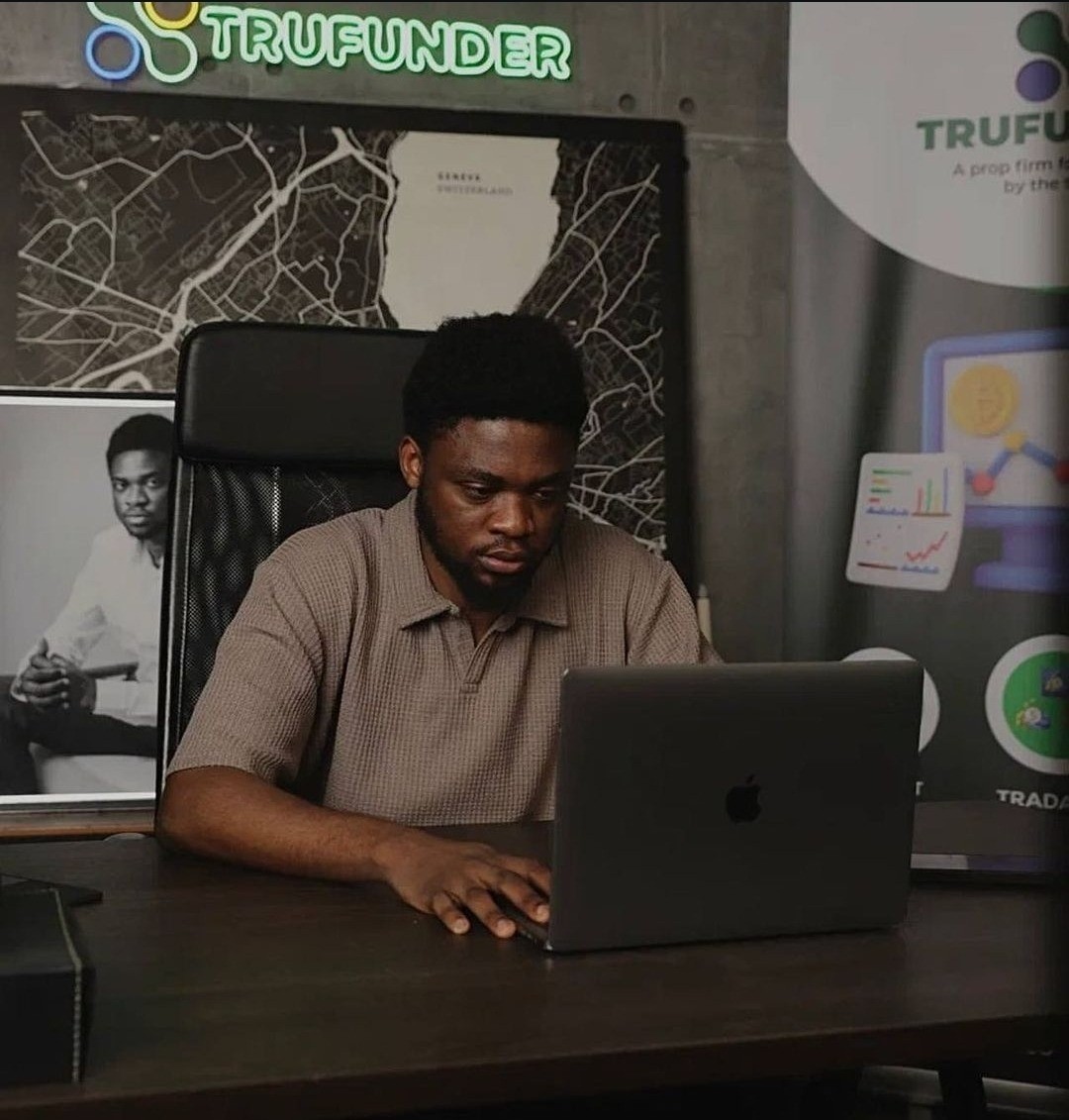
Dr. Elvis runs structured video courses and personal coaching, and is a popular keynote speaker in Africa and Europe. His relatable story, leaving medicine to pursue financial freedom, has inspired over 25K followers, boosting trust in Ghanaian trading education.
Emmanuel Addo
Known for the “Kemma Trades” brand, Emmanuel Addo targets beginner traders. He has an estimated net worth of $300–500K, mostly from education and trading revenue. Kemma Trades offers free video tutorials on price-action, trend-following and discipline. His straightforward, hype-free teaching style has attracted a loyal community, stressing consistent practice and realistic goals. Kemma Trades’s impact lies in simplifying complex concepts, a “learn by doing” ethos that has helped thousands start trading with confidence.

The influence of Ghana’s leading Forex traders extends well beyond individual profit. Through education, digital content, real estate development, advocacy, and international visibility, these traders are shaping the broader financial landscape in the country. Below is a breakdown of their most impactful contributions by sector.
Sector analysis: contributions beyond trading
The achievements of Ghana’s leading Forex traders extend far beyond personal earnings. Through financial education, social media influence, investment diversification, advocacy for gender inclusion, and international recognition, these traders have played a pivotal role in shaping Ghana’s trading ecosystem. This section outlines their broader impact across key sectors.
Financial education
Ghana’s top traders have trained tens of thousands through a mix of online and offline programs. Kojo’s channels and courses, for example, are credited with teaching thousands of traders countrywide. Kira’s academy and workshops teach core skills (chart reading, risk control) to diverse audiences, especially novices. Collectively, these leaders emphasize curriculum from market basics to advanced techniques (e.g. Fibonacci tools, macroeconomic analysis). Their scale is unparalleled: by 2026 they have likely educated over 50,000 Ghanaians, rivaling formal finance institutions in reach.
Digital media & influence
These traders command vast online followings. Kojo’s YouTube alone has ~355K subscribers, and Kira’s channels reach tens of thousands more. Across Instagram, Telegram and TikTok, their combined audience exceeds a quarter-million. They leverage these platforms for live trade breakdowns, daily market updates, Q&A sessions and mindset coaching, constantly raising public awareness of FX. By broadcasting “day-in-the-life” routines and success stories, they help legitimize trading as a career path. This social presence destigmatizes Forex in Ghana, highlighting disciplined, long-term strategies over quick-rich narratives.
Diversification & entrepreneurship
Many top traders reinvest their profits into Ghana’s economy. For example, Kojo uses trading gains to fund property projects in Accra (residential and commercial real estate), creating steady rental income. Kira has invested in local housing developments. Others partner in fintech startups or event companies that promote financial literacy. This diversifies their wealth beyond trading, securing assets against market swings. It also spurs job creation: events and workshops led by these traders provide income for venues, media, and trainers, while support services (like analysis apps) grow around their brands.
Gender inclusion
Kira Forex leads the charge on female participation. Since 2021, her programs have enrolled thousands of Ghanaian women in beginner trading courses. She organizes female-focused meetups and collaborates with NGOs to integrate trading basics into entrepreneurship training. By normalizing women as serious investors, her work is broadening the demographic base of Ghana’s FX market. This is a landmark shift in a traditionally male-dominated field – one that shows women can achieve comparable success when given equal opportunity and education.
Challenges faced by Forex traders in Ghana
Despite the growing popularity of Forex trading, traders in Ghana continue to face a number of persistent obstacles. These challenges affect both beginners and professionals, limiting access and increasing risk exposure.
Regulatory uncertainty. Ghana only began formalizing FX rules recently. Until regulation is finalized, traders must rely on international brokers, often without local customer support. The SEC is currently “developing guidelines on Forex trading”, but in the meantime there’s no official license regime. This gap leaves traders exposed: there is no local watchdog to handle fraud complaints or enforce brokerage standards. It also means limited recourse if a broker refuses withdrawals.
Investment scams. The lack of oversight has fueled dubious schemes. Ghanaian authorities warn of rising “fraudulent investment schemes” promising unrealistically high returns. These often masquerade as Forex signal groups or multi-level marketing clubs. Common scams involve Ponzi-style payouts (using new deposits to pay old members), fake guaranteed profits, and influencers selling unverified “signals”. Novice traders, hungry for easy wins, are frequent targets. The SEC cautions that schemes using celebrity images or AI-generated pitches are growing, underscoring how pervasive the threat is.
Education gaps. Despite some popular academies, many Ghanaian traders lack access to structured learning. Few regulated institutions teach FX in Ghana, so beginners often rely on YouTube tutorials or peer advice. This “learn online” approach can lead to misinformation: for example, many novices skip practicing on demo accounts and jump into live trading unprepared. Language barriers and spotty internet connectivity in rural areas also limit reach. Overall, a knowledge divide persists; motivated individuals can learn, but many first-timers are left without adequate mentorship or technical training resources.
Market volatility and infrastructure. Trading in local currency pairs can be tough. The Ghanaian cedi is highly volatile with relatively low liquidity, so traders must often switch to USD/EUR pairs with thicker markets (and different drivers). This means Ghanaian traders need to monitor both local economic news and global market trends simultaneously. On the tech side, inconsistent power/internet can disrupt trades at critical moments, a challenge largely unseen in developed markets.
Opportunities for new traders
While the market has risks, there are also viable entry points for responsible and motivated individuals.
Free educational resources. Wealth of content is now available online. Channels post full trading tutorials, live analyses and strategy guides at no cost. Telegram and WhatsApp groups offer community tips and news. International platforms (e.g. BabyPips forum, DailyFX articles) also cater to Ghanaians. A diligent learner can assemble a solid foundation for free, covering everything from charting to money management.
Structured mentorship programs. Prominent traders in Ghana often offer both free and paid mentoring. Many run Telegram/Zoom classrooms with curriculum and real-time guidance. For instance, Kojo Forex’s partnership with Exness includes live webinars and bootcamps. These programs typically provide live trade sessions, weekly reviews, and downloadable strategy templates. Beginners who can invest modestly benefit from mentorship that accelerates learning beyond casual tutorials.
Practice accounts. All major brokers serving Ghana offer demo accounts. Traders can sign up (often free) with virtual capital to test strategies risk-free. This is an invaluable opportunity: one can simulate trading on historical or live data until consistently profitable. Even small live accounts (GHS 100–500, or $10–$50) allow trading mini-lots, meaning mistakes cost only a few cedis. Starting small on a demo or micro-account is a practical path that top Ghanaians recommend before scaling up.
Growing market support. With Ghana poised to regulate FX, the coming years will see more brokers and tools tailored for Ghanaians. Already, some brokers accept local currency deposits, mobile payments and crypto, easing entry. As awareness grows, more local communities and apps will emerge for Ghanaian traders. Early movers who learn now will have an edge: by the time the market is more competitive and regulated, they’ll have built experience and strategy refinement.
Lessons for aspiring Forex traders
Success in Forex trading is rarely about shortcuts. Ghana’s top traders share several key behaviors that beginners should emulate:
Start small. New traders should protect capital first. Use demo accounts or trade micro-lots, risking only 1–2% of your account per trade (as Ghana’s pros do). This means even a small portfolio can survive bad trades. The goal early on is consistency, not big wins. Many successful Ghanaian traders spent months learning without chasing big returns, focusing instead on preserving equity.
Master one strategy. Avoid “paralysis by analysis.” Top traders advise beginners to focus on a single approach (e.g. price-action breakout or moving average system) and practice it thoroughly before exploring other setups. This builds confidence and clarity. As Kommon Forex stresses, understanding one method well beats juggling multiple systems shallowly. Patience to refine one strategy leads to consistent profitability.
Keep a trading journal. Document each trade’s details: entry/exit points, timeframes, rationale, and outcomes. Do this religiously. Reviewing your journal weekly reveals patterns, both good and bad, in your decision-making. It brings discipline (and often humility) by forcing you to face mistakes objectively. Many Ghanaian traders attribute part of their success to rigorously analyzing past trades and learning from errors.
Risk management above ego. Emotional control is important. Don’t overtrade or chase losses. Stick to stop-losses and profit targets. If a trading setup fails, it’s usually smarter to exit the trade than to revenge-trade. Forex legends note that greed and fear are leading causes of losses. In fact, the Dukascopy guide on Forex scams warns that greed often “preys on novice traders,” leaving them drained. Use the discipline of setting fixed risk and moving on, and never double down on a failed idea out of pride.
Be skeptical of “sure wins.” In Ghana and globally, any promise of guaranteed profits is a red flag. Dukascopy emphasizes that no legitimate trading system can guarantee returns. Treat trading signals or mentor recommendations as educational examples, not gospel. Check multiple sources: if one guru claims a system is foolproof, investigate how it handles losses. Ghana’s smartest traders learn to filter hype and focus on sound analysis. In practice, this means always questioning “too good to be true” claims and testing everything in a demo first.

If you’re inspired by these success stories and want to start trading yourself, the next step is choosing a trusted Forex broker that works smoothly in Ghana. The table below lists the best options available for Ghanaian traders, with details on key aspects to help you get started confidently.
| IUX | XM | Pepperstone | Fusion Markets | Exness | |
|---|---|---|---|---|---|
|
Available in Ghana |
Yes | Yes | Yes | Yes | Yes |
|
Currency pairs |
34 | 57 | 90 | 90 | 100 |
|
Min. deposit, $ |
50 | 5 | No | 1 | 10 |
|
Max. leverage |
1:3000 | 1:1000 | 1:500 | 1:500 | 1:2000 |
|
Deposit fee, % |
No | No | No | No | No |
|
Withdrawal fee, % |
No | No | No | No | No |
|
Regulation |
FSC, FSCA, ASIC, FSA SVG | CySEC, FSC (Belize), DFSA, FSCA, FSA (Seychelles), FSC (Mauritius), SCA (United Arab Emirates), CMA (Kenya) | ASIC, FCA, DFSA, BaFin, CMA, SCB, CySec | ASIC, VFSC, FSA | BVI FSC, FSCA SA, FSC (Mauritius), FSA (Seychelles), CMA (Kenya), JSC (Jordan) |
|
TU overall score |
9.4 | 9.3 | 9.25 | 9.2 | 9 |
|
Open an account |
Go to broker Your capital is at risk. |
Go to broker Your capital is at risk. |
Go to broker Your capital is at risk.
|
Go to broker Your capital is at risk. |
Go to broker Your capital is at risk.
|
Ghana's richest Forex traders stack capital and hedge cedi volatility
Many of Ghana’s wealthiest retail and private FX players didn’t get rich by guessing charts, they built lines of real business that produce predictable Forex flow: import-export margins, remittance corridors, prop-trading scaling, and educational products. If you want to learn from them as a beginner, don’t chase their signals, reverse-engineer their cash engines. Start by mapping who is supplying liquidity to them (banks, remittance houses, prop firms) and how they convert P&L into on-the-ground businesses (e.g., paying suppliers in USD, running FX corridors). That approach helps you understand sustainable capital, not just lucky runs. Note that Ghana’s FX market is tightly regulated under the Foreign Exchange Act and the Bank of Ghana actively warns against unauthorized FX dealings, so any attempt to copy top players must respect those rails.
Top Ghanaian traders also profit by being macro-aware and legally strategic: they time exposure around central bank moves and regional liquidity shifts, then hedge the rest with forward contracts or institutional lines rather than naked spot bets. Ghana’s macro picture in 2026, IMF support and shifting BoG policy, changes risk premia quickly, so learn to read those signals (IMF reviews and central bank policy actions move local spreads). The practical beginner play: prove a small, repeatable strategy inside a prop-firm or through a licensed bank (many global prop firms accept Ghanaian traders), scale only after consistent funded performance, and use local hedges or bank forwards for larger exposures to avoid being squeezed by sudden cedi moves or regulatory action.
Conclusion
The remarkable rise of Ghana’s richest Forex traders underscores that sustainable success in trading comes not from chasing quick wins, but from disciplined strategy, robust risk management, and reinvestment in education and community. Figures like Kojo Forex and Kira Forex exemplify how combining transparent, price-action trading with educational outreach and entrepreneurship can transform not only individual fortunes, but also national attitudes toward finance. As these leaders diversify into real estate and fintech, they lay the groundwork for broader economic growth and opportunity. For aspiring traders, the most crucial lesson is clear: focus on consistency, leverage mentorship, and treat every market move as a chance to learn—because in Ghana’s evolving Forex landscape, true wealth is built on knowledge and resilience.
FAQs
What trading strategies are most commonly used by the richest Forex traders in Ghana?
How do top Forex traders in Ghana manage market volatility and currency risk?
What role do mentorship and community support play in the success of Ghanaian Forex traders?
How do the richest Forex traders in Ghana diversify their income beyond trading?
Editors' Top Picks and Insights

Global fintech in 2026: Three trends that matter

From Jesus Christ to aliens: Polymarket's most absurd prediction markets

Hunting crypto owners: Why criminals have gone offline

BitMEX is shutting down: Why Trump could not save the exchange

Do governments need crypto workers?

Brent nears $100: Why oil prices are rising
Related Articles
Team that worked on the article
Ciaran Ryan is a veteran financial journalist based in South Africa, where he covers cryptocurrency, mining, stock markets, and governance for Moneyweb. He also hosts the weekly Moneyweb Crypto Podcast.
Dan Blystone began his trading career in 1998 as an arbitrage clerk on the floor of the Chicago Mercantile Exchange (CME). He later traded bond and Eurex futures at proprietary firms such as Altea Trading, gaining valuable experience in high-frequency trading and risk management.
Chinmay Soni is a financial analyst with more than 5 years of experience in working with stocks, Forex, derivatives, and other assets. As a founder of a boutique research firm and an active researcher, he covers various industries and fields, providing insights backed by statistical data.

-
 Afghanistan
-
 Albania
-
 Algeria
-
 Angola
-
 Argentina
-
 Armenia
-
 Australia
-
 Austria
-
 Azerbaijan
-
 Bahamas
-
 Bahrain
-
 Bangladesh
-
 Belarus
-
 Belgium
-
 Bolivia
-
 Botswana
-
 Brazil
-
 Brunei
-
 Bulgaria
-
 Cambodia
-
 Cameroon
-
 Canada
-
 Chile
Chile
-
 China
China
-
 Colombia
-
 Congo
Congo
-
 Costa Rica
-
 Cote d'Ivoire
-
 Croatia
-
 Cuba
Cuba
-
 Cyprus
-
 Czechia
-
 DR Congo
-
 Denmark
-
 Dominican Republic
-
 Ecuador
-
 Egypt
Egypt
-
 El Salvador
-
 Estonia
-
 Eswatini
-
 Ethiopia
-
 Finland
-
 France
-
 Georgia
-
 Germany
-
 Ghana
Ghana
-
 Greece
-
 Haiti
Haiti
-
 Hong Kong
-
 Hungary
-
 India
India
-
 Indonesia
-
 Iran, Islamic republic
-
 Iraq
Iraq
-
 Ireland
-
 Israel
-
 Italy
Italy
-
 Jamaica
-
 Japan
Japan
-
 Jordan
-
 Kazakhstan
-
 Kenya
Kenya
-
 Korea
Korea
-
 Kuwait
-
 Kyrgyzstan
-
 Laos
Laos
-
 Latvia
-
 Lebanon
-
 Lesotho
-
 Libya
Libya
-
 Lithuania
-
 Luxembourg
-
 Madagascar
-
 Malaysia
-
 Malta
Malta
-
 Mauritius
-
 Mexico
-
 Moldova
-
 Mongolia
-
 Montenegro
-
 Morocco
-
 Mozambique
-
 Myanmar
-
 Namibia
-
 Nepal
Nepal
-
 Netherlands
-
 New Zealand
-
 Nigeria
-
 North Macedonia
-
 Norway
-
 Oman
Oman
-
 Pakistan
-
 Palestine
-
 Panama
-
 Papua New Guinea
-
 Paraguay
-
 Peru
Peru
-
 Philippines
-
 Poland
-
 Portugal
-
 Puerto Rico
-
 Qatar
Qatar
-
 Reunion
-
 Romania
-
 Rwanda
-
 Saudi Arabia
-
 Serbia
-
 Singapore
-
 Slovakia
-
 Slovenia
-
 Somalia
-
 South Africa
-
 Spain
Spain
-
 Sri Lanka
-
 Sweden
-
 Switzerland
-
 Syria
Syria
-
 Taiwan
-
 Tajikistan
-
 Tanzania
-
 Thailand
-
 Trinidad and Tobago
-
 Tunisia
-
 Turkey
-
 UAE
UAE
-
 Uganda
-
 Ukraine
-
 United Kingdom
-
United States
-
 Uruguay
-
 Uzbekistan
-
 Venezuela
-
 Vietnam
-
 Yemen
Yemen
-
 Zambia
-
 Zimbabwe
- Forex
- Crypto












