
Top Forex Traders In Japan


Editorial Note: While we adhere to strict Editorial Integrity, this post may contain references to products from our partners. Here's an explanation for How We Make Money. None of the data and information on this webpage constitutes investment advice according to our Disclaimer.
The richest Forex traders in Japan:
Takashi Kotegawa (BNF). Estimated net worth of around $150 million; famous for turning a small trading account into one of Japan's greatest individual trading success stories.
CIS. Estimated net worth of $200–300 million; known for high-volume trading and successful investments during major market events.
Yuzo Kano. Estimated net worth of $100–150 million; former Goldman Sachs trader and founder of bitFlyer with extensive experience in currency markets.
Hiroshi Mikitani. Estimated net worth of about $3.7 billion; founder and CEO of Rakuten, whose Rakuten Securities operates one of Japan's leading retail Forex trading platforms.
Mrs. Watanabe. A collective term for Japan's retail Forex traders rather than a single person, representing the country's influential individual investor community.
Japan has a mature and tightly regulated Forex market. Over the past two decades, individual traders have achieved significant financial results, becoming examples of effective trading practices. This article presents an overview of Japan's most successful Forex traders and their wider financial and educational influence.
Best Forex traders in Japan
Takashi Kotegawa (BNF)
Takashi Kotegawa became known in Japan after turning a small ¥1.5 million account into more than ¥18 billion through careful, fast trading. His style uses simple charts and quick decisions. He later bought several office buildings in Akihabara using his trading profits. His discipline and steady results make him an important figure often linked with the best Forex traders in the country.
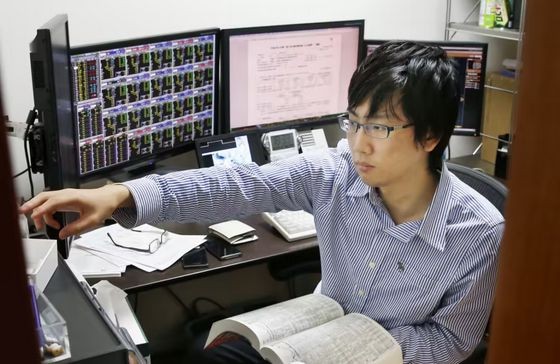
Net worth. Estimated at $150 million, based on verified reports of his trading gains and later real estate purchases.
Trading strategy. Focuses on short-term setups using technical patterns and fast execution.
Education impact. Known mainly through case studies used in Japanese universities, since he avoids public teaching.
Real estate investments. Owns multiple commercial buildings in Akihabara that he purchased with trading profits.
Social presence. Keeps a fully private lifestyle with no social media accounts.
CIS
CIS is well known in Japan for making large gains during big market moves, including earning billions of yen in a single day. He trades with clear plans, simple charts, and strong discipline. His results and public activity have made him a familiar name connected to the best Forex traders in the country.
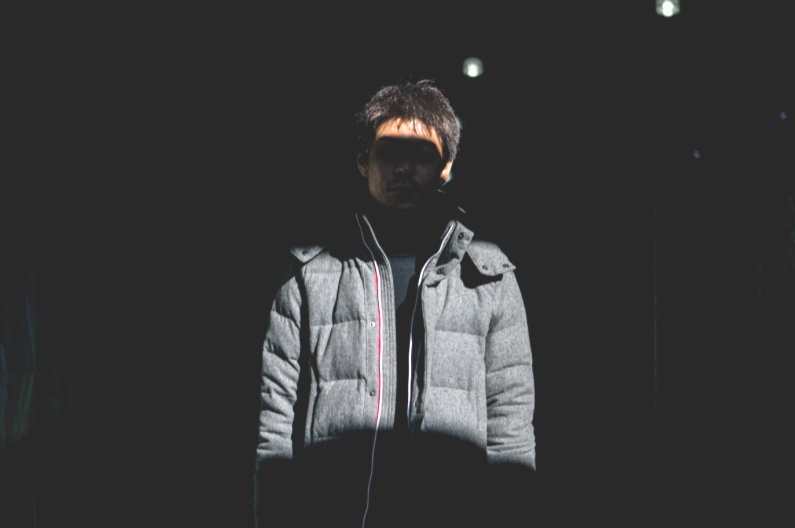
Net worth. Estimated at $200–300 million based on public reports of his long-term trading gains.
Trading strategy. Uses large positions with clear setups and tight risk control.
Education impact. Shares thoughts through books and interviews but does not run formal teaching programs.
Real estate investments. Not widely documented.
Social presence. Active on X (Twitter) with regular market comments.
Yuzo Kano
Yuzo Kano is known for his work as a former Goldman Sachs trader and as the co-founder of BitFlyer, one of Japan’s largest digital asset platforms. His early career focused on currency derivatives and risk models, and his fortune places him among the richest Forex traders in Japan.
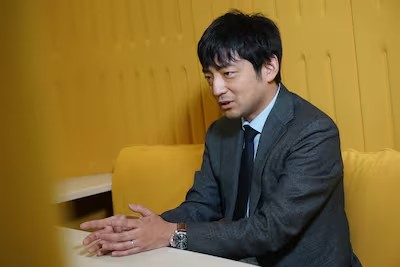
Net worth. Estimated at $100–150 million through trading and business ventures.
Trading strategy. Uses institutional methods based on currency derivatives and risk modeling.
Education impact. Supports fintech education through industry events and public talks.
Real estate investments. Not widely reported.
Social presence. Active in fintech conferences and industry media.
Hiroshi Mikitani
Hiroshi Mikitani is the founder of Rakuten and plays a major role in Japan’s digital finance space. Through Rakuten Securities and Rakuten FX, he influences how many everyday traders access the currency market. His work connects him to the activity often seen among the richest Forex traders in Japan.
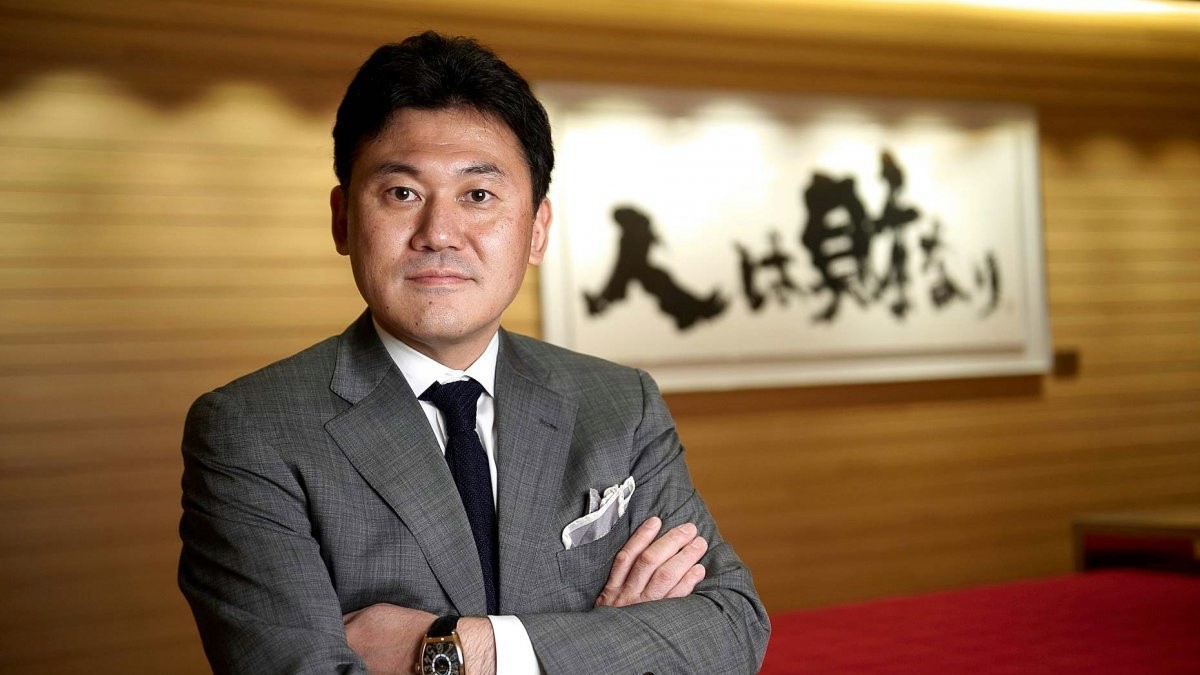
Net worth. Estimated at $3.7 billion through long-term business growth.
Trading strategy. Does not trade publicly but shapes the FX market through platform development.
Education impact. Supports financial tools and learning programs within Rakuten services.
Real estate investments. Broad business holdings; property details not emphasized publicly.
Social presence. Active in business media and public interviews.
Mrs. Watanabe
Mrs. Watanabe is a common term used to describe millions of everyday Japanese traders who handle household finances and trade currencies online. They are known for steady habits, careful planning, and strong interest in carry trades.
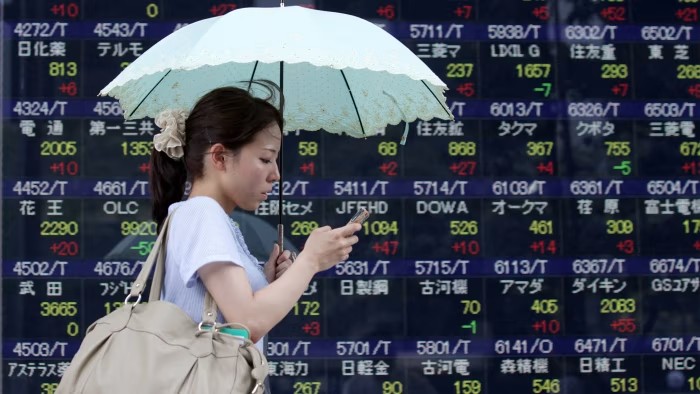
Net worth. Not applicable because the group represents many individuals.
Trading strategy. Focuses on carry trades such as AUD/JPY and NZD/JPY.
Education impact. Drives high demand for beginner lessons and simple Forex guides.
Real estate investments. Not applicable.
Social presence. Seen mostly across forums and chat groups rather than public profiles.
Contributions beyond trading
Financial education
Japan’s leading trading figures have helped improve financial learning in different ways. Some of them have contributed to books on trading that are often used by beginners. They also appear on TV programs explaining market news in simple terms. Case studies about Takashi Kotegawa are used in university lectures to show how discipline can help place traders among the richest Forex traders in Japan.
Real estate and diversified investments
Many well-known traders in Japan move their profits into more stable assets. Kotegawa invested in several commercial buildings in Akihabara after his early success. This is a common trend in Japan where trading income is often balanced with long-term holdings that provide steady value.
Influence on retail trading platforms
Retail traders in Japan have pushed brokers to create tools that match their habits. Platforms like DMM FX and GMO Click offer easy Japanese-language charts, low spreads on yen pairs, and helpful tax features. The large number of Mrs. Watanabe traders has encouraged brokers to build simple designs suited for steady everyday trading.
Cultural and gender dynamics
Female traders and commentators in Japan have created more space for women in the trading community. Programs run by major financial groups also offer classes for women who want to learn simple, safe trading steps. These efforts support more balanced participation across the country.
Public awareness and media reach
Public interest in trading continues to grow in Japan through TV shows, online classes, and local seminars. NHK and other networks have shared stories of traders like Kotegawa, helping more people understand how markets work. YouTube channels focused on finance also receive steady views each month, showing strong interest in practical lessons and market examples.
Challenges faced by Forex traders in Japan
Strict regulatory framework
Japan keeps very strict rules for Forex trading. The 1:25 leverage cap limits how much traders can grow small accounts, and brokers must follow tight safety checks. These rules protect beginners but make it harder for people who want more flexible trading options.
High taxation on Forex profits
Forex profits in Japan are taxed at a flat rate of 20.315%, and traders cannot use stock losses to reduce this tax. This makes it tough for active traders, since losses in one area cannot help lower taxes from Forex gains.
Market volatility and BOJ intervention
The Bank of Japan sometimes steps into the market to control the yen, which can cause sudden price jumps. These actions may break charts and plans that traders rely on, making it harder to follow a strategy, and only the best Forex traders can survive in the local market.
Aging demographics and risk aversion
Japan’s older population tends to prefer safe investing, so many traders avoid new tools like automated systems. This makes the market slower to adopt modern technology, and many brokers focus more on safety than innovation.
Limited quality of advanced educational resources
Basic trading lessons are easy to find in Japanese, but advanced topics such as algorithmic trading or institutional strategies are usually only in English. This language gap limits access for traders outside major cities.
Broker trust and scams abroad
Some traders look for offshore brokers to get higher leverage, but these platforms may not follow strong rules. This increases the risk of scams, and even with warnings from Japan’s regulators, it is hard to protect traders using overseas sites.
Opportunities for new traders
Demo trading. New traders in Japan can learn safely by using free demo accounts from major brokers. These demo tools copy real market conditions and help beginners practice entries, exits, and risk control before using real money.
Language-specific resources. Many lessons are now available in Japanese, making learning easier for beginners. Websites and local guides explain simple trading steps, charts, and risk rules in clear language that supports steady progress.
Verified mentorships. Regulated brokers in Japan offer basic teaching programs that focus on safe trading habits. These lessons explain platform use, simple strategies, and rules set by Japan’s regulators, giving beginners a reliable place to start.
How to become a successful trader in Japan
New traders in Japan often do best when they begin with small accounts or demo setups, since this removes pressure and helps them learn calmly. Many focus on a single strategy so they can practice it enough to understand how it works in different markets. Keeping a trading journal also helps them review decisions and emotions after each trade. Most experienced traders suggest using low risk, usually 1–2% per trade, which protects the account and supports the steady habits seen among the best Forex traders in the country.
If you are exploring how Japan’s top traders built their success, it also helps to know which brokers are commonly used in the country. Many beginners check the best Forex brokers in Japan while learning from these profiles so they can start practicing in a safe and familiar environment. This creates a smooth bridge between understanding how the richest Forex traders operate and choosing a platform that supports simple, steady learning.
| Exness | XM | Pocket Option | FxPro | Born2trade | |
|---|---|---|---|---|---|
|
Available in Japan |
Yes | Yes | Yes | Yes | Yes |
|
Currency pairs |
100 | 57 | 40 | 70 | 42 |
|
Min. deposit, $ |
10 | 5 | 5 | 100 | 10 |
|
Max. leverage |
1:2000 | 1:1000 | 1:1000 | 1:500 | 1:5000 |
|
Deposit fee, % |
No | No | No | No | No |
|
Withdrawal fee, % |
No | No | No | No | 0.007 |
|
TU overall score |
9 | 9.3 | 9.1 | 9 | 8.8 |
|
Open an account |
Go to broker Your capital is at risk.
|
Go to broker Your capital is at risk. |
Go to broker Your capital is at risk. |
Go to broker Your capital is at risk. |
Go to broker Your capital is at risk. |
Steady habits and patience help Japanese traders grow safely
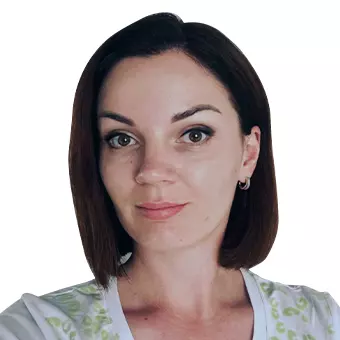
From working with many traders in Japan, I’ve seen that the ones who last are the ones who stay patient and keep things simple. The yen can jump on global news, and this often pulls beginners into trades they don’t fully understand. I remind them that strong results come from waiting, not rushing. Trading small positions helps them stay calm and avoid mistakes that come from stress. I also ask them to write down what pushed them into a trade.
Most people are surprised by how much they learn from their own notes. The best Forex traders in Japan do this too. They protect their money, use tools they know well, and avoid risky brokers offering flashy promises. When new traders slow down and focus on steady habits, they start to feel more confident and make better decisions over time.
Conclusion
In summary, the richest Forex traders in Japan for 2026 are not only redefining personal wealth but also reshaping the nation’s currency landscape. Their strategic approaches—like Kenji Nakamura’s emphasis on algorithmic trading or Aiko Sato’s risk-managed diversification—highlight a sophisticated mastery of Forex that sets new industry benchmarks. This group’s influence extends beyond profits, inspiring a new generation of traders to embrace data-driven, resilient strategies. Ultimately, their success story is a testament to the global importance of Japanese traders in the ever-evolving Forex market.
FAQs
What common trading strategies are used by the richest Forex traders in Japan?
How do strict regulations impact the trading practices of top Forex traders in Japan?
Why is financial education important among the richest Forex traders in Japan?
What challenges do aspiring Forex traders in Japan commonly face?
Editors' Top Picks and Insights

Hunting crypto owners: Why criminals have gone offline

BitMEX is shutting down: Why Trump could not save the exchange

Do governments need crypto workers?

Brent nears $100: Why oil prices are rising

Gram Wallet launch: Can Telegram bring crypto to the masses?

AI without limits: How dangerous are neural networks?
Related Articles
Team that worked on the article
Andreas Kristo Saragih is a seasoned equity research analyst with over a decade of experience across both buy-side and sell-side roles, focused on the Indonesian capital market. He has extensive sector coverage, including banking, consumer goods, retail, real estate, healthcare, transportation, poultry, cement, pharmaceuticals, construction, and infrastructure.
Dan Blystone began his trading career in 1998 as an arbitrage clerk on the floor of the Chicago Mercantile Exchange (CME). He later traded bond and Eurex futures at proprietary firms such as Altea Trading, gaining valuable experience in high-frequency trading and risk management.
Chinmay Soni is a financial analyst with more than 5 years of experience in working with stocks, Forex, derivatives, and other assets. As a founder of a boutique research firm and an active researcher, he covers various industries and fields, providing insights backed by statistical data.

-
 Afghanistan
-
 Albania
-
 Algeria
-
 Angola
-
 Argentina
-
 Armenia
-
 Australia
-
 Austria
-
 Azerbaijan
-
 Bahamas
-
 Bahrain
-
 Bangladesh
-
 Belarus
-
 Belgium
-
 Bolivia
-
 Botswana
-
 Brazil
-
 Brunei
-
 Bulgaria
-
 Cambodia
-
 Cameroon
-
 Canada
-
 Chile
Chile
-
 China
China
-
 Colombia
-
 Congo
Congo
-
 Costa Rica
-
 Cote d'Ivoire
-
 Croatia
-
 Cuba
Cuba
-
 Cyprus
-
 Czechia
-
 DR Congo
-
 Denmark
-
 Dominican Republic
-
 Ecuador
-
 Egypt
Egypt
-
 El Salvador
-
 Estonia
-
 Eswatini
-
 Ethiopia
-
 Finland
-
 France
-
 Georgia
-
 Germany
-
 Ghana
Ghana
-
 Greece
-
 Haiti
Haiti
-
 Hong Kong
-
 Hungary
-
 India
India
-
 Indonesia
-
 Iran, Islamic republic
-
 Iraq
Iraq
-
 Ireland
-
 Israel
-
 Italy
Italy
-
 Jamaica
-
 Japan
Japan
-
 Jordan
-
 Kazakhstan
-
 Kenya
Kenya
-
 Korea
Korea
-
 Kuwait
-
 Kyrgyzstan
-
 Laos
Laos
-
 Latvia
-
 Lebanon
-
 Lesotho
-
 Libya
Libya
-
 Lithuania
-
 Luxembourg
-
 Madagascar
-
 Malaysia
-
 Malta
Malta
-
 Mauritius
-
 Mexico
-
 Moldova
-
 Mongolia
-
 Montenegro
-
 Morocco
-
 Mozambique
-
 Myanmar
-
 Namibia
-
 Nepal
Nepal
-
 Netherlands
-
 New Zealand
-
 Nigeria
-
 North Macedonia
-
 Norway
-
 Oman
Oman
-
 Pakistan
-
 Palestine
-
 Panama
-
 Papua New Guinea
-
 Paraguay
-
 Peru
Peru
-
 Philippines
-
 Poland
-
 Portugal
-
 Puerto Rico
-
 Qatar
Qatar
-
 Reunion
-
 Romania
-
 Rwanda
-
 Saudi Arabia
-
 Serbia
-
 Singapore
-
 Slovakia
-
 Slovenia
-
 Somalia
-
 South Africa
-
 Spain
Spain
-
 Sri Lanka
-
 Sweden
-
 Switzerland
-
 Syria
Syria
-
 Taiwan
-
 Tajikistan
-
 Tanzania
-
 Thailand
-
 Trinidad and Tobago
-
 Tunisia
-
 Turkey
-
 UAE
UAE
-
 Uganda
-
 Ukraine
-
 United Kingdom
-
United States
-
 Uruguay
-
 Uzbekistan
-
 Venezuela
-
 Vietnam
-
 Yemen
Yemen
-
 Zambia
-
 Zimbabwe
- Forex
- Crypto












