Best Powerful Laptops For Trading In 2026


Editorial Note: While we adhere to strict Editorial Integrity, this post may contain references to products from our partners. Here's an explanation for How We Make Money. None of the data and information on this webpage constitutes investment advice according to our Disclaimer.
The most powerful laptops for technical analysis in trading:
Apple MacBook Pro 16-inch (M4 Pro / M4 Max). Known for its Liquid Retina XDR display, battery life exceeding 20 hours, and outstanding performance for heavy charting, multitasking, and professional trading platforms.
Dell XPS 16. A premium Windows laptop with Intel Core Ultra processors and OLED display options, delivering strong performance for running multiple trading terminals and real-time market dashboards.
ASUS ExpertBook B3 G2. Powered by AMD Ryzen AI processors, this business-class laptop is designed for intensive multitasking and data-driven analysis, making it suitable for professional trading workflows.
MSI Prestige 16: A high-performance productivity laptop with Intel Core Ultra Series 3 processors and a 16-inch OLED display, combining powerful computing with long battery life and excellent visuals, ideal for analysts and multitasking traders.
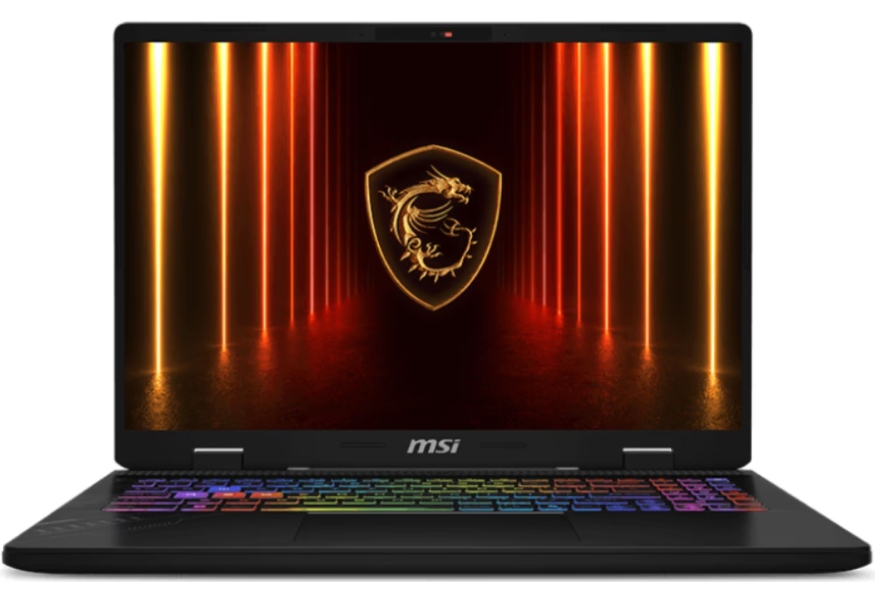
MSI Raider 16 Max HX (RTX 50-series). A high-performance desktop-replacement laptop combining Intel HX processors with NVIDIA RTX 50-series graphics, ideal for traders using demanding applications and multi-monitor setups.
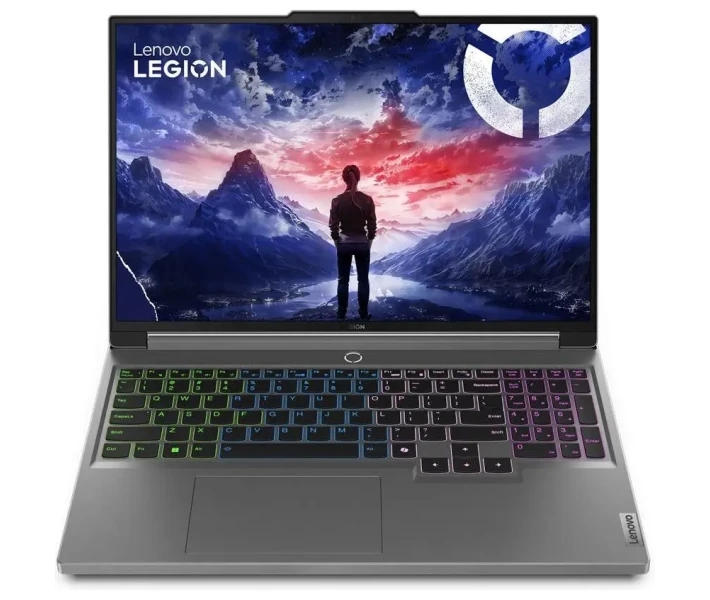
Lenovo Legion 5i (RTX 50-series configurations). Offers a solid balance of performance and value, with modern Intel processors, RTX graphics, and optional OLED displays for fast chart updates and multitasking.
Choosing the right laptop is important for traders and market analysts who need precision and efficiency in their work. These specialized laptops come with powerful processors, high-resolution displays, and strong graphics capabilities to support real-time data feeds and trading tools smoothly. This guide covers the best trading laptops of 2026, with detailed insights into their features, performance, and user experiences.
Best laptops for trading and technical analysis
The following table showcases best trading laptops of 2026, selected for their high performance, modern hardware, display quality, and suitability for professional technical analysis and multitasking.
| Laptop Model | Price Range | Processor | Graphics | RAM | Storage | Screen | Battery Life |
|---|---|---|---|---|---|---|---|
Apple MacBook Pro 16-inch | Check Price | Apple M4 Pro / M4 Max | Integrated Apple GPU | Up to 128GB | Up to 8TB SSD | 16-inch Liquid Retina XDR | Over 20 hours |
Dell XPS 16 (2026) | Check Price | Intel Core Ultra | Intel Arc / optional NVIDIA | Up to 64GB | Up to 4TB SSD | 16.3-inch OLED | Excellent |
MSI Prestige 16 | Check Price | Intel Core Ultra (Series 2 / Series 3) | Integrated Intel Arc | Up to 32GB | Up to 2TB SSD | 16-inch OLED | Excellent |
ASUS ExpertBook B3 G2 | Check Price | AMD Ryzen AI 9 HX | Integrated Radeon | Up to 64GB* | Up to 2TB SSD | 16-inch IPS | Long-lasting |
MSI Raider 16 Max HX | Check Price | Intel Core Ultra 200HX | NVIDIA GeForce RTX 5090 | Up to 64GB | Up to 4TB SSD | 16-inch QHD+ | Good |
Lenovo Legion 5i (2026) | Check Price | Intel Core i7 / i9 | NVIDIA GeForce RTX 5060 / 5070 | Up to 32GB | Up to 2TB SSD | 16-inch OLED (select configs) | Good |
These laptops combine modern processors, powerful graphics, and high-resolution displays to ensure smooth multitasking and real-time market analysis. They are well suited for traders who rely on multiple platforms, advanced indicators, and external monitor setups.
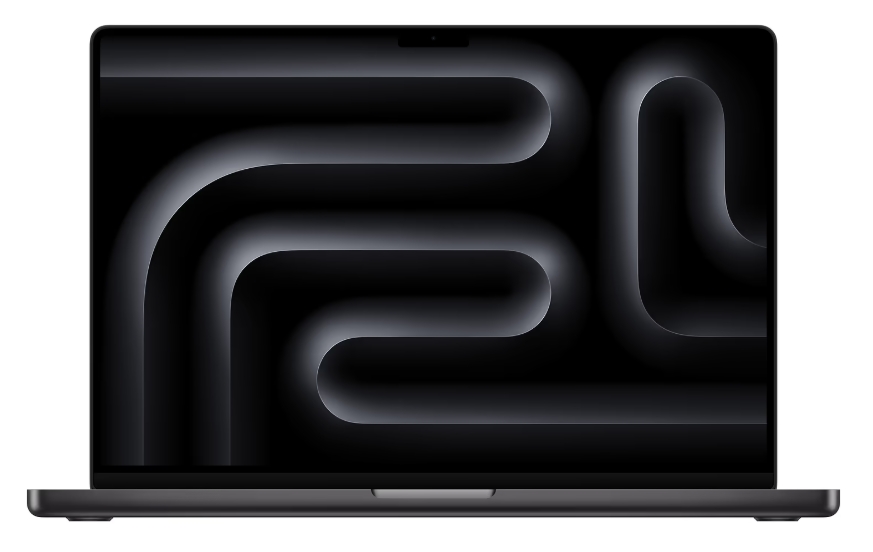
Apple MacBook Pro 16-inch
The Apple MacBook Pro 16-inch remains one of the top choices for traders in 2026, powered by Apple’s M4 Pro and M4 Max chips. These processors deliver exceptional speed and efficiency for handling multiple trading platforms, real-time data feeds, and complex technical indicators.
With support for up to 128GB of unified memory and SSD storage up to 8TB, the MacBook Pro easily manages large datasets and intensive multitasking. Its 16-inch Liquid Retina XDR display offers outstanding brightness, contrast, and color accuracy, making chart analysis clear and precise.
Battery life exceeds 20 hours, allowing traders to work through extended sessions without frequent recharging. Thunderbolt 5 support enables fast connectivity to external monitors and professional trading setups.
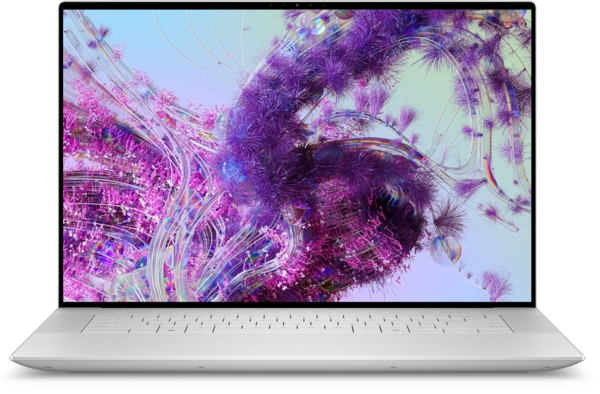
Dell XPS 16
Dell XPS 16 (in 2026) is a premium Windows laptop for professionals who value performance and display quality. It comes with Intel Core Ultra processors and an option for a 16.3-inch OLED display, making it well suited for running multiple trading tools and dashboards. With fast SSD storage and modern connectivity, it’s a strong choice for traders who want a powerful, portable setup.
Its large OLED display delivers sharp visuals and excellent color accuracy, ideal for monitoring multiple charts and market dashboards simultaneously. With up to 64GB of RAM and fast SSD storage, the XPS 16 handles demanding workloads smoothly.
Long battery life and modern connectivity options make it a reliable choice for traders who need power and portability in one device.
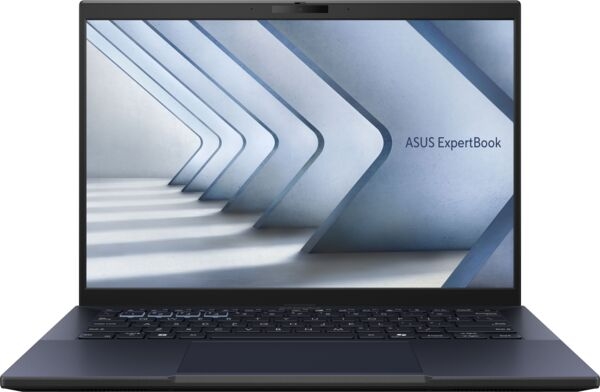
ASUS ExpertBook B3 G2
ASUS ExpertBook B3 G2 is a business-class laptop suitable for advanced multitasking. It can be configured with AMD Ryzen AI processors (up to Ryzen AI 9 HX 470) and fast PCIe SSDs. Official specs list up to 64GB RAM (with some announcements mentioning higher limits on certain variants), making it a practical option for traders who run multiple terminals and analytical tools on the go.
Its 16-inch display provides ample workspace for charts and trading terminals, while the lightweight design makes it practical for mobile professionals. Strong battery life and modern ports ensure uninterrupted trading sessions and easy connection to external displays.
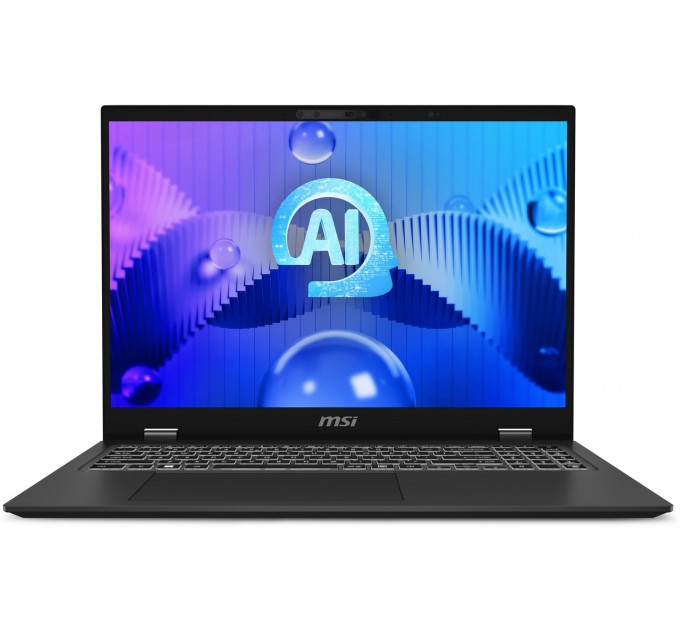
MSI Prestige 16
The MSI Prestige 16 stands out as one of the most balanced laptops for trading and technical analysis in 2026, combining strong performance with excellent battery life and portability. Powered by Intel Core Ultra processors, it is optimized for multitasking, real-time data processing, and running multiple trading platforms simultaneously.
Its 16-inch OLED display delivers sharp visuals, accurate colors, and ample workspace for charts and dashboards, making it ideal for technical analysis. With fast SSD storage and efficient thermal design, the Prestige 16 handles professional workloads smoothly while remaining lightweight and travel-friendly.
Thanks to its long battery life and modern connectivity, this model is particularly well suited for traders who need reliable performance throughout the day without relying constantly on external power.
MSI Raider 16 Max HX
MSI Raider 16 Max HX is built for maximum performance, pairing an Intel Core Ultra 200HX CPU with NVIDIA GeForce RTX 5090/5080 graphics (as announced for CES 2026). It’s ideal for heavy multitasking and multi-monitor desk setups, though it’s best viewed as a high-power “desktop replacement” rather than an all-day portable machine.
The large, high-resolution display delivers fast refresh rates and sharp visuals, while extensive RAM and storage options support heavy workloads. It’s a strong option for traders who prioritize raw power and multi-monitor setups.
Lenovo Legion 5i
Lenovo Legion 5i (2026 configurations) offers strong performance for trading with modern Intel CPUs and RTX 50-series graphics options (such as RTX 5060), plus an OLED display on certain models. It’s a practical pick for traders who want high performance and a great screen at a more accessible price. Just keep in mind that gaming-class laptops typically prioritize power over battery life.
Its OLED display ensures clear chart visibility and fast response times, while solid cooling and reliable performance make it suitable for long trading sessions. This model is a practical choice for traders seeking strong performance without moving into ultra-premium pricing.
Key features to consider in trading laptops
Trading demands precision and efficiency, making a reliable laptop crucial for flawless execution. A laptop tailored for trading should perform seamlessly without lagging, overheating, or slowing down. Here’s a breakdown of what to look for in a trading laptop:
RAM
Adequate RAM is vital for smooth multitasking. A minimum of 8GB is recommended, but for optimal performance, especially when running multiple trading platforms and analytics tools, 16GB or more is ideal. More RAM ensures faster data processing and better handling of resource-intensive applications.
Storage
A laptop with sufficient storage is essential for saving important files, media, and applications. An SSD (Solid State Drive) with at least 256GB is recommended, as it offers faster boot times and improved program responsiveness compared to traditional HDDs. For traders managing extensive data, 512GB or more is preferable.
Processor (CPU)
The processor is the core of your laptop’s performance. Choose an Intel Core i5 or i7 processor or AMDRyzen series for their speed and multitasking capabilities. These CPUs excel in handling complex computations and running trading platforms without hiccups.
Graphics Card (GPU)
While a high-end GPU isn’t a necessity for trading, having a good graphics card enhances visual performance. Laptops with AMD Radeon or NVIDIA GeForce series cards are suitable. NVIDIA’s GTX 1650 or RTX 30-series GPUs are excellent for rendering high-resolution charts and data visualization.
Display
A clear, high-resolution screen is critical for analyzing trading data. A Full HD display with a resolution of 1920 x 1080 is the baseline, but 4K screens are preferable for sharper visuals and better detail. Larger screens or dual-monitor setups can also improve productivity.
Battery Life
Long battery life is indispensable for traders who may not always have access to a power source. A laptop that offers at least 6-8 hours of battery life is recommended to avoid interruptions during critical trading sessions.
Ports
Having multiple ports is essential for connecting external devices such as monitors and peripherals. Look for laptops with HDMI, USB-C, and Thunderbolt ports for high-speed data transfer and versatile connectivity.
Connectivity
Strong and stable internet connectivity is a must for real-time data feeds and smooth trading operations. Laptops with Wi-Fi 6 (802.11ax) offer faster and more reliable connections. Bluetooth support is also a plus for connecting wireless accessories.
How much can you earn with a budget-friendly trading setup?
With a budget-friendly trading setup, setting realistic expectations is important. Using a basic computer, a reliable internet connection, and free or low-cost trading platforms can help you start, but earnings may be modest due to limited access to advanced tools and real-time data. For beginners, returns may range from a few hundred dollars per month if they have a solid strategy and disciplined approach.
Success depends greatly on choosing the right trading strategy. Swing trading may be more suitable for budget setups as it requires less real-time data and quick execution than day trading or scalping. While experienced traders using budget setups might earn several thousand dollars annually, beginners should prioritize learning over immediate profits.
The risks are higher when minimal equipment is used without advanced features like high-frequency data and automated analysis tools. To make the most of a budget setup, traders should use resources like educational material, demo accounts, and free market analysis to build their skills over time. As profits increase, reinvesting in better tools and technology can lead to improved performance and greater earnings.
We’ve identified the best brokers ideal for beginners. They offer a low entry threshold, demo accounts for practice without financial risk, cent accounts for small investments, copy trading features to learn from experienced traders, and other beginner-friendly options. With the right broker and dedication, even a budget-friendly setup can become a stepping stone to long-term trading success.
| Min. deposit, $ | Demo | Cent | Copy trading | Open an account | |
|---|---|---|---|---|---|
| 50 | Yes | No | No | Go to broker Your capital is at risk. |
|
| 100 | Yes | No | No | Go to broker 81% of retail CFD accounts lose money. |
|
| No | Yes | No | Yes | Go to broker Your capital is at risk. |
|
| 100 | Yes | No | Yes | Study review | |
| 1 | Yes | No | Yes | Study review |
Check the speed and future upgrade potential of the RAM, not just the size

When picking a trading laptop in 2026, don’t just look at power and screen size — think about how easily you can connect multiple monitors and accessories. Laptops with two or more Thunderbolt 4 or USB-C ports make it simple to add extra screens or essential devices without needing extra hubs. This setup helps traders keep track of different platforms and data more efficiently.
Check the speed and future upgrade potential of the RAM, not just the size. A laptop with 32GB of fast RAM that you can upgrade later will help keep it running smoothly as your trading needs grow. This is key if you plan to use advanced trading software or analyze complex data. Choosing a laptop that can be upgraded means you won’t have to buy a new one too soon as your needs expand.
Conclusion
Selecting the right laptop for technical analysis in trading is crucial for staying ahead in the fast-paced financial markets of 2026. The most powerful models like the Apple MacBook Pro M3 and the Dell XPS 17 stand out for their cutting-edge processors, ample RAM, and top-tier displays, enabling traders to analyze data charts and run complex trading software seamlessly. The single most important takeaway is to prioritize performance and reliability over unnecessary extras—choose a machine built to handle heavy multitasking and live market feeds without lag. Ultimately, investing in a powerful trading laptop is not just about specs, but about empowering your trading decisions with speed and precision. Remember, in trading, your laptop isn't just a tool—it's your most valuable asset.
FAQs
What display characteristics should traders prioritize for technical analysis laptops in 2026?
How does battery life influence the effectiveness of a trading laptop?
Why is reliable connectivity important for trading laptops?
What role does storage type and capacity play in trading laptop performance?
Editors' Top Picks and Insights






Related Articles
Team that worked on the article
Parshwa is a content expert and finance professional possessing deep knowledge of stock and options trading, technical and fundamental analysis, and equity research. As a Chartered Accountant Finalist, Parshwa also has expertise in Forex, crypto trading, and personal taxation.
Dan Blystone began his trading career in 1998 as an arbitrage clerk on the floor of the Chicago Mercantile Exchange (CME). He later traded bond and Eurex futures at proprietary firms such as Altea Trading, gaining valuable experience in high-frequency trading and risk management.
Chinmay Soni is a financial analyst with more than 5 years of experience in working with stocks, Forex, derivatives, and other assets. As a founder of a boutique research firm and an active researcher, he covers various industries and fields, providing insights backed by statistical data.
Forex trading, short for foreign exchange trading, is the practice of buying and selling currencies in the global foreign exchange market with the aim of profiting from fluctuations in exchange rates. Traders speculate on whether one currency will rise or fall in value relative to another currency and make trading decisions accordingly. However, beware that trading carries risks, and you can lose your whole capital.
Crypto trading involves the buying and selling of cryptocurrencies, such as Bitcoin, Ethereum, or other digital assets, with the aim of making a profit from price fluctuations.
Index in trading is the measure of the performance of a group of stocks, which can include the assets and securities in it.
Bitcoin is a decentralized digital cryptocurrency that was created in 2009 by an anonymous individual or group using the pseudonym Satoshi Nakamoto. It operates on a technology called blockchain, which is a distributed ledger that records all transactions across a network of computers.
CFD is a contract between an investor/trader and seller that demonstrates that the trader will need to pay the price difference between the current value of the asset and its value at the time of contract to the seller.

-
 Afghanistan
-
 Albania
-
 Algeria
-
 Angola
-
 Argentina
-
 Armenia
-
 Australia
-
 Austria
-
 Azerbaijan
-
 Bahamas
-
 Bahrain
-
 Bangladesh
-
 Belarus
-
 Belgium
-
 Bolivia
-
 Botswana
-
 Brazil
-
 Brunei
-
 Bulgaria
-
 Cambodia
-
 Cameroon
-
 Canada
-
 Chile
Chile
-
 China
China
-
 Colombia
-
 Congo
Congo
-
 Costa Rica
-
 Cote d'Ivoire
-
 Croatia
-
 Cuba
Cuba
-
 Cyprus
-
 Czechia
-
 DR Congo
-
 Denmark
-
 Dominican Republic
-
 Ecuador
-
 Egypt
Egypt
-
 El Salvador
-
 Estonia
-
 Eswatini
-
 Ethiopia
-
 Finland
-
 France
-
 Georgia
-
 Germany
-
 Ghana
Ghana
-
 Greece
-
 Haiti
Haiti
-
 Hong Kong
-
 Hungary
-
 India
India
-
 Indonesia
-
 Iran, Islamic republic
-
 Iraq
Iraq
-
 Ireland
-
 Israel
-
 Italy
Italy
-
 Jamaica
-
 Japan
Japan
-
 Jordan
-
 Kazakhstan
-
 Kenya
Kenya
-
 Korea
Korea
-
 Kuwait
-
 Kyrgyzstan
-
 Laos
Laos
-
 Latvia
-
 Lebanon
-
 Lesotho
-
 Libya
Libya
-
 Lithuania
-
 Luxembourg
-
 Madagascar
-
 Malaysia
-
 Malta
Malta
-
 Mauritius
-
 Mexico
-
 Moldova
-
 Mongolia
-
 Montenegro
-
 Morocco
-
 Mozambique
-
 Myanmar
-
 Namibia
-
 Nepal
Nepal
-
 Netherlands
-
 New Zealand
-
 Nigeria
-
 North Macedonia
-
 Norway
-
 Oman
Oman
-
 Pakistan
-
 Palestine
-
 Panama
-
 Papua New Guinea
-
 Paraguay
-
 Peru
Peru
-
 Philippines
-
 Poland
-
 Portugal
-
 Puerto Rico
-
 Qatar
Qatar
-
 Reunion
-
 Romania
-
 Rwanda
-
 Saudi Arabia
-
 Serbia
-
 Singapore
-
 Slovakia
-
 Slovenia
-
 Somalia
-
 South Africa
-
 Spain
Spain
-
 Sri Lanka
-
 Sweden
-
 Switzerland
-
 Syria
Syria
-
 Taiwan
-
 Tajikistan
-
 Tanzania
-
 Thailand
-
 Trinidad and Tobago
-
 Tunisia
-
 Turkey
-
 UAE
UAE
-
 Uganda
-
 Ukraine
-
 United Kingdom
-
United States
-
 Uruguay
-
 Uzbekistan
-
 Venezuela
-
 Vietnam
-
 Yemen
Yemen
-
 Zambia
-
 Zimbabwe
- Forex
- Crypto