
Top Free Crypto Trading Courses In 2026


Editorial Note: While we adhere to strict Editorial Integrity, this post may contain references to products from our partners. Here's an explanation for How We Make Money. None of the data and information on this webpage constitutes investment advice according to our Disclaimer.
Best free crypto trading courses for beginners:
Binance Academy: Robust collection of free courses covering blockchain, crypto trading, technical analysis, and market fundamentals.
Coinbase Learn: Beginner-friendly tutorials and interactive lessons with the opportunity to earn free crypto while learning.
HTX (Huobi Learn): Comprehensive guides on blockchain basics, trading strategies, and market trends, tailored for new traders.
Bybit Learn: video tutorials and written guides on crypto trading fundamentals, technical analysis, and DeFi.
Kraken Learn Center: an extensive library of articles, webinars, and educational resources to help beginners understand crypto and trading.
Cryptocurrency is becoming more popular, and learning how it works is essential. Whether you're an investor, trader, or just curious, having good learning resources can make things easier.
Many crypto exchanges now offer free courses that explain everything from the basics of blockchain to advanced trading strategies. These lessons help beginners get started and give experienced users tools to improve their skills.
In this guide, we’ll explore the best cryptocurrency trading courses for free offered by leading exchanges. By the end, you’ll know where to start your learning journey and how these platforms make understanding crypto both accessible and practical.
Best free crypto trading courses for beginners
Fortunately, many platforms offer high-quality, free courses to help you build a strong foundation. Below are some of the best resources to get started:
Binance Academy

Binance Academy is a one-stop hub for learning about cryptocurrency and blockchain technology. It offers a robust collection of free courses covering topics such as basics of crypto trading technical analysis, market fundamentals, and advanced blockchain concepts. The platform caters to beginners and experienced users alike, making it a versatile resource.
Key features:
Wide range of topics, from blockchain basics to advanced trading techniques.
Multilingual support, making it accessible to a global audience.
Interactive quizzes to test knowledge.
Regularly updated content to reflect the latest market trends.
Coinbase Learn
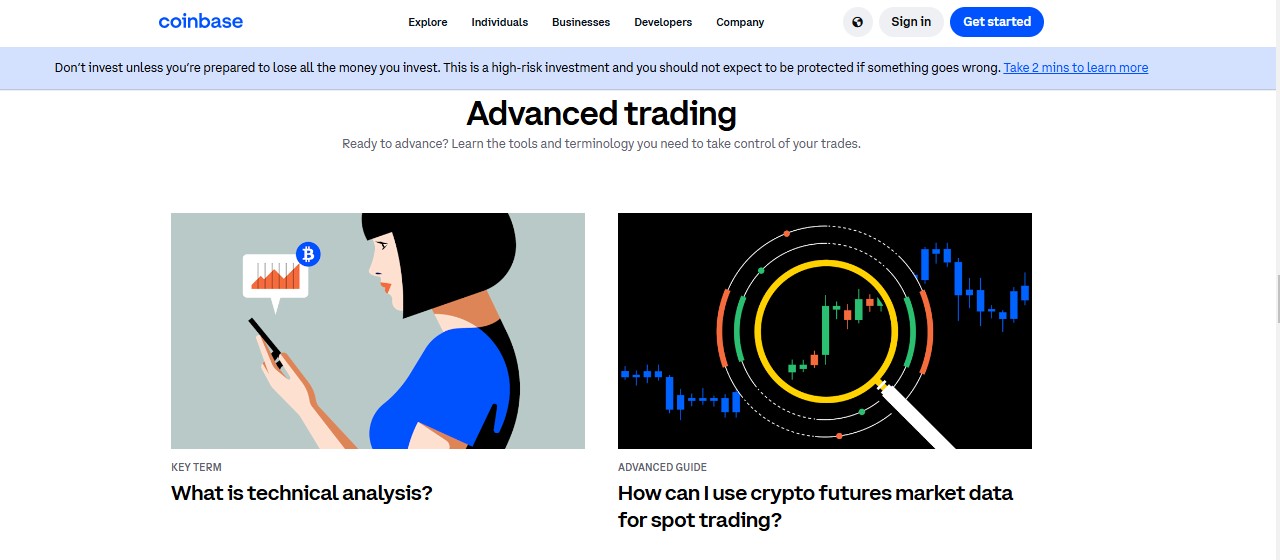
Coinbase Learn provides beginner-friendly tutorials designed to simplify complex crypto concepts. What sets it apart is its interactive "earn while you learn" feature, where users can complete courses and quizzes to gain free crypto incentives. This hands-on approach makes learning both engaging and practical.
Key features:
“Earn while you learn” program where users can earn crypto for completing lessons.
Simple, beginner-friendly tutorials.
Focus on practical use cases and wallet security.
Mobile-friendly for learning on the go.
HTX (Huobi Learn)

HTX Learn offers comprehensive guides on blockchain basics, trading strategies, and market trends. The platform tailors its educational content specifically for beginners, providing step-by-step instructions on navigating the crypto market and understanding its dynamics.
Key features:
Comprehensive guides on trading strategies and market trends.
Tutorials tailored for beginners, with a focus on step-by-step guidance.
Content regularly updated to keep pace with market developments.
Support for learning about DeFi and other crypto niches.
Bybit Learn

Bybit Learn is an excellent resource for those looking to grasp crypto trading fundamentals, technical analysis, and decentralized finance (DeFi). It features easy-to-follow video tutorials and written guides that break down complex topics into digestible lessons.
Key features:
Video tutorials for visual learners.
Focus on technical analysis and decentralized finance (DeFi).
Beginner-focused guides that simplify complex topics.
Regularly published content on market trends and trading tips.
Kraken Learn Center
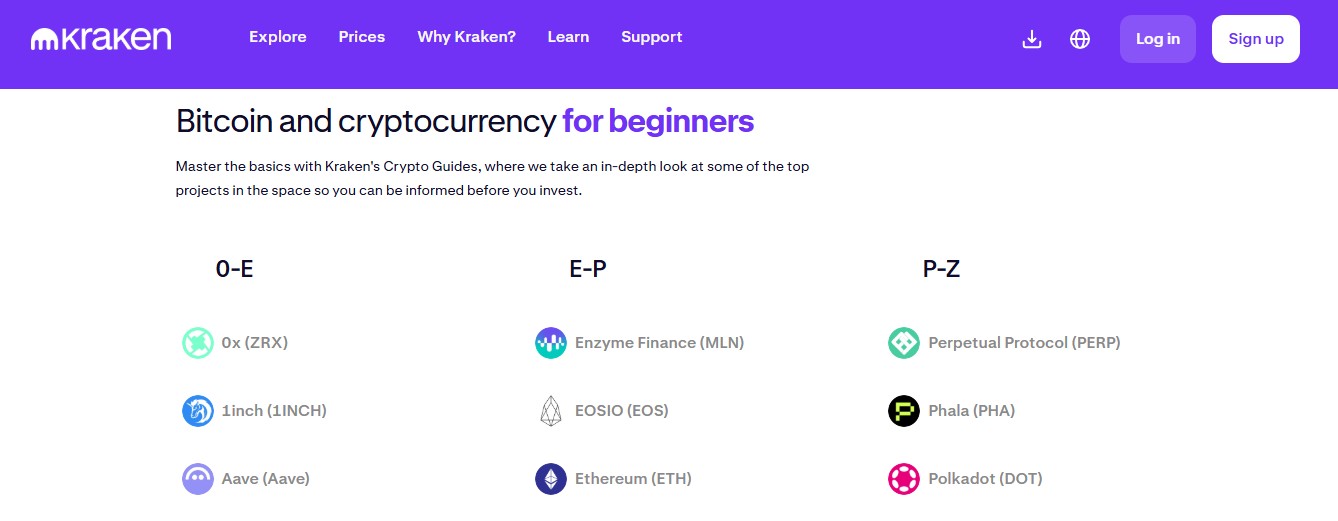
Kraken’s Learn Center boasts an extensive library of educational materials, including in-depth articles, webinars, and explainer videos. Its content is designed to help beginners understand the nuances of cryptocurrency, trading strategies, and market examination ensuring a well-rounded learning experience.
Key features:
Extensive library of in-depth articles and explainer videos.
Webinars with live Q&A sessions for interactive learning.
Focus on risk management and trading strategies.
Content designed for both beginners and intermediate traders.
These free courses provide beginners with the tools and knowledge needed to navigate the cryptocurrency world confidently. By exploring these platforms, you can gain valuable insights into the market and start trading with a solid understanding of the fundamentals.
Why learn cryptocurrency and trading from exchange platforms?
Learn with live market examples. Lessons often use real charts and live data so you can practice in real time.
Get comfortable with the platform. You’ll learn how to use the platform itself, which saves time when you start trading.
Earn while you learn. Some exchanges reward you with crypto for completing lessons.
Join expert sessions. Participate in webinars and Q&As where traders share practical tips and strategies.
Learn to secure your account. Courses often explain how to use features like two-factor authentication to protect your funds.
Courses that fit your pace. Some lessons adjust based on your progress, making them easier to follow.
Types of courses offered by top crypto exchanges
Top crypto exchanges provide a wide variety of courses designed to cater to different levels of expertise and interests. Here’s a breakdown of the types of courses you can expect.
Beginner trading courses
These courses are tailored for individuals new to the cryptocurrency world. They focus on foundational concepts, including:
Blockchain basics. Explaining how blockchain technology works.
Crypto fundamentals. Introducing key terms like wallets, private keys, and exchanges.
Getting started with trading. Covering account setup, basic trades, and market navigation.
Trading strategy tutorials
For those looking to dive deeper, exchanges offer tutorials on various trading strategies:
Day trading. Short-term strategies for buying and selling within a day.
Swing trading. Identifying medium-term opportunities based on trends.
Scalping. Making multiple small trades to capture short-term gains.
Market analysis and insights
Understanding markets is crucial for successful trading. These courses often cover:
Technical analysis. How to read charts and use indicators like RSI, MACD, and Bollinger Bands.
Fundamental analysis. Evaluating projects based on news, updates, and market trends.
Sentiment analysis. Gauging market mood through social and news platforms.
Blockchain and technology courses
Exchanges often include courses on the technology that powers cryptocurrencies:
Smart Contracts. How automated agreements work on platforms like Ethereum.
DeFi. Exploring decentralized finance and its use cases.
NFTs. Understanding non-fungible tokens and their applications.
Risk management and security courses
These courses teach users how to protect their investments and minimize losses.
Risk management strategies. Setting stop-loss limits and portfolio diversification.
Cybersecurity. Safeguarding wallets and avoiding phishing scams.
Regulatory compliance. Understanding the legal aspects of trading.
Advanced trading and portfolio management
Designed for experienced traders, these courses delve into:
Algorithmic trading. Using bots and scripts for automated trades.
Leverage and margin trading. Managing high-risk, high-reward trades.
Portfolio optimization. Balancing assets for maximum returns.
Rewards-based learning
Some exchanges gamify the learning process by offering crypto rewards:
Earn tokens for completing lessons.
Participate in quizzes and challenges to reinforce learning.
How to choose the right course for your needs
Focus on what matters most. Instead of listing many goals, pick two must-haves—like flexible timing or live mentor support.
Pick courses with real projects. Courses that include projects help you create something meaningful rather than just learning theory.
Check how lessons are spaced. Avoid courses that feel rushed or dragged out—choose one that matches your pace and daily schedule.
Ask former students for feedback. Reach out to past students to learn what worked and what they wish they knew before enrolling.
Find a course with a community. A helpful course often has a space where learners and mentors can share tips and ask questions.
Try a free module first. See if the course offers a free lesson to check if you like the teaching style.
Benefits of free crypto courses from exchanges
Learn by earning rewards. Some exchanges give free tokens when you complete lessons, letting you practice without using your own money. For example, Phemex's Learn & Earn programme allows users to gain knowledge about cryptocurrencies through short videos and quizzes, being rewarded with cashback vouchers upon successful completion. These vouchers can be used to offset trading commissions, providing a practical way to apply new skills without financial risk.
Try real-time market tools. Certain courses give free access to live data tools so you can practice analyzing the market.
Stay informed on new rules. Many exchange courses include lessons about the latest regulations, helping you stay compliant.
Get early access to features. Some courses offer sneak peeks at new platform updates, giving you a head start with new tools.
Master platform navigation. You’ll learn how to use the platform more effectively and take advantage of features like staking and liquidity pools.
Prepare for advanced strategies. These beginner-friendly courses build a strong foundation for more advanced trading techniques later.
After completing free crypto trading courses, the best next step is to practice what you’ve learned in a safe environment. Many leading exchanges offer demo or paper trading accounts, allowing you to test strategies without risking real funds.
The following table compares top crypto exchanges with demo accounts — evaluating their educational support, available markets, virtual balance size, and overall user experience.
Use this comparison to choose the best platform for hands-on learning before trading with real capital.
| Foundation year | Min. Deposit, $ | Coins Supported | Spot Taker fee, % | Spot Maker Fee, % | Demo account | Copy trading | Tier-1 regulation | TU overall score | Open an account | |
|---|---|---|---|---|---|---|---|---|---|---|
| 2017 | 10 | 600+ | 0.1 | 0.08 | Yes | Yes | No | 8.46 | Go to broker Your capital is at risk. |
|
| 2011 | 10 | 399 | 0.3 | 0.2 | Yes | Yes | Yes | 8.08 | Go to broker Your capital is at risk.
|
|
| 2021 | 10 | 474 | 0.1 | 0.08 | Yes | Yes | Yes | 4.96 | Go to broker Your capital is at risk.
|
|
| 2014 | 5 | 50 | Varies based on transaction type | Varies based on transaction type | Yes | No | No | 4.9 | Go to broker Your capital is at risk.
|
|
| 2015 | 10 | 77 | 1.2 | 0.6 | Yes | No | Yes | 4.27 | Go to broker Your capital is at risk. |
Maximize crypto course rewards with staking and early access strategies

Free cryptocurrency courses from exchanges don’t just teach—they give you a chance to start earning as you learn. Instead of simply holding the rewards you earn from lessons, try staking them or adding them to low-risk earning pools. This turns your learning rewards into real earning opportunities and helps you see how these strategies work in real time. Also, watch out for special course events that offer extra rewards if you complete lessons within a set period.
Another great perk of these courses is getting early access to platform tools before they’re released to everyone. Some exchanges use these courses to test beta features, which means you could learn about exclusive offers or lower fees before they go public. Many of these courses also walk you through past market trends, helping you recognize patterns and plan your next move, whether you’re looking to protect your gains or grow them.
Conclusion
In today's rapidly evolving digital landscape, free cryptocurrency courses from leading exchanges empower individuals to navigate the complexities of blockchain and trading with confidence. By offering accessible learning paths on topics like crypto fundamentals and advanced trading strategies, platforms such as Binance and Coinbase have significantly lowered the barrier to entry. These courses not only foster skill development but also promote informed participation in the global crypto economy. Ultimately, leveraging these educational resources can be the crucial first step toward mastering the world of cryptocurrencies—transforming curiosity into expertise and opportunity.
FAQs
Are free cryptocurrency courses from exchanges suitable for absolute beginners?
What security topics are typically included in free cryptocurrency courses provided by exchanges?
How do free cryptocurrency courses stay up to date with rapid changes in the crypto industry?
Can learners access live market data or tools in free courses offered by crypto exchanges?
Editors' Top Picks and Insights





Related Articles
Team that worked on the article
Peter Emmanuel Chijioke is a professional personal finance, Forex, crypto, blockchain, NFT, and Web3 writer and a contributor to the Traders Union website. As a computer science graduate with a robust background in programming, machine learning, and blockchain technology, he possesses a comprehensive understanding of software, technologies, cryptocurrency, and Forex trading.
Chinmay Soni is a financial analyst with more than 5 years of experience in working with stocks, Forex, derivatives, and other assets. As a founder of a boutique research firm and an active researcher, he covers various industries and fields, providing insights backed by statistical data.
Mirjan Hipolito is a journalist and news editor at Traders Union. She is an expert crypto writer with five years of experience in the financial markets.
Fundamental analysis is a method or tool that investors use that seeks to determine the intrinsic value of a security by examining economic and financial factors. It considers macroeconomic factors such as the state of the economy and industry conditions.
Index in trading is the measure of the performance of a group of stocks, which can include the assets and securities in it.
Xetra is a German Stock Exchange trading system that the Frankfurt Stock Exchange operates. Deutsche Börse is the parent company of the Frankfurt Stock Exchange.
An investor is an individual, who invests money in an asset with the expectation that its value would appreciate in the future. The asset can be anything, including a bond, debenture, mutual fund, equity, gold, silver, exchange-traded funds (ETFs), and real-estate property.
Diversification is an investment strategy that involves spreading investments across different asset classes, industries, and geographic regions to reduce overall risk.

-
 Afghanistan
-
 Albania
-
 Algeria
-
 Angola
-
 Argentina
-
 Armenia
-
 Australia
-
 Austria
-
 Azerbaijan
-
 Bahamas
-
 Bahrain
-
 Bangladesh
-
 Belarus
-
 Belgium
-
 Bolivia
-
 Botswana
-
 Brazil
-
 Brunei
-
 Bulgaria
-
 Cambodia
-
 Cameroon
-
 Canada
-
 Chile
Chile
-
 China
China
-
 Colombia
-
 Congo
Congo
-
 Costa Rica
-
 Cote d'Ivoire
-
 Croatia
-
 Cuba
Cuba
-
 Cyprus
-
 Czechia
-
 DR Congo
-
 Denmark
-
 Dominican Republic
-
 Ecuador
-
 Egypt
Egypt
-
 El Salvador
-
 Estonia
-
 Eswatini
-
 Ethiopia
-
 Finland
-
 France
-
 Georgia
-
 Germany
-
 Ghana
Ghana
-
 Greece
-
 Haiti
Haiti
-
 Hong Kong
-
 Hungary
-
 India
India
-
 Indonesia
-
 Iran, Islamic republic
-
 Iraq
Iraq
-
 Ireland
-
 Israel
-
 Italy
Italy
-
 Jamaica
-
 Japan
Japan
-
 Jordan
-
 Kazakhstan
-
 Kenya
Kenya
-
 Korea
Korea
-
 Kuwait
-
 Kyrgyzstan
-
 Laos
Laos
-
 Latvia
-
 Lebanon
-
 Lesotho
-
 Libya
Libya
-
 Lithuania
-
 Luxembourg
-
 Madagascar
-
 Malaysia
-
 Malta
Malta
-
 Mauritius
-
 Mexico
-
 Moldova
-
 Mongolia
-
 Montenegro
-
 Morocco
-
 Mozambique
-
 Myanmar
-
 Namibia
-
 Nepal
Nepal
-
 Netherlands
-
 New Zealand
-
 Nigeria
-
 North Macedonia
-
 Norway
-
 Oman
Oman
-
 Pakistan
-
 Palestine
-
 Panama
-
 Papua New Guinea
-
 Paraguay
-
 Peru
Peru
-
 Philippines
-
 Poland
-
 Portugal
-
 Puerto Rico
-
 Qatar
Qatar
-
 Reunion
-
 Romania
-
 Rwanda
-
 Saudi Arabia
-
 Serbia
-
 Singapore
-
 Slovakia
-
 Slovenia
-
 Somalia
-
 South Africa
-
 Spain
Spain
-
 Sri Lanka
-
 Sweden
-
 Switzerland
-
 Syria
Syria
-
 Taiwan
-
 Tajikistan
-
 Tanzania
-
 Thailand
-
 Trinidad and Tobago
-
 Tunisia
-
 Turkey
-
 UAE
UAE
-
 Uganda
-
 Ukraine
-
 United Kingdom
-
United States
-
 Uruguay
-
 Uzbekistan
-
 Venezuela
-
 Vietnam
-
 Yemen
Yemen
-
 Zambia
-
 Zimbabwe
- Forex
- Crypto












