The tweet was deleted by the author.
But we saved everything 🙂.


Donald Trump's name once helped turn cryptocurrencies into speculative sensations. Now, that excitement appears to be fading. With token prices plunging and investors facing billions in losses, can Trump's crypto ventures survive without the political enthusiasm that helped launch them?
Trump-linked cryptocurrencies suffered some of the sharpest losses in the market on November 4, following Democratic victories in the U.S. midterm elections. The selloff stood out because much of the broader cryptocurrency market was recovering, suggesting that investors were reassessing risks specific to politically connected tokens.
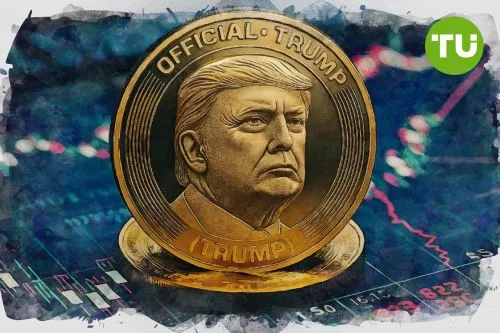
OFFICIAL TRUMP (TRUMP), the president's memecoin, fell approximately 17% in 24 hours to $1.33, while World Liberty Financial's WLFI token dropped more than 7% to around $0.047. MELANIA, associated with First Lady Melania Trump, declined nearly 13%. Meanwhile, Bitcoin gained more than 4%, Ether rose 6%, and the overall cryptocurrency market advanced approximately 3.4%.
View post on X Loading...
The election results also created fresh challenges for Trump's cryptocurrency businesses. Democrats won control of both houses of Congress, potentially limiting the administration's ability to advance its preferred digital asset policies and increasing the prospect of congressional scrutiny. The broader political memecoin sector also weakened, losing more than 16% of its market value during the day.
When OFFICIAL TRUMP launched in January 2025, just days before Trump's inauguration, speculation drove its price above $70. The token attracted buyers hoping to benefit from the president's popularity and the attention surrounding his return to the White House. But the excitement proved difficult to sustain. By November 4, 2026, TRUMP was trading near $1.30, more than 98% below its peak.
The losses extend well beyond the latest market reaction. A July 2026 analysis by blockchain analytics firm Nansen found that approximately 989,000 wallets holding or previously trading TRUMP had accumulated $3.81 billion in combined realized and unrealized losses. Roughly two-thirds of the 1.48 million wallets examined were losing money, while profits were concentrated among investors who purchased tokens early.
World Liberty Financial investors have faced similar difficulties. Nansen found that 85% of the tracked wallets that bought WLFI on secondary markets had recorded losses. An August investigation by consumer advocacy group Public Citizen estimated that investors across Trump's wider cryptocurrency ventures were at least $4.7 billion underwater, although much of that amount represented unrealized losses.
The financial picture looks different for the businesses behind the tokens. Trump's June 2026 financial disclosure showed that CIC Digital LLC, a company linked to his memecoin business, reported approximately $636 million in income, largely from licensing royalties, alongside substantial revenue from other cryptocurrency ventures.
Political attention helped establish Trump's cryptocurrencies as recognizable assets, but recognition alone cannot guarantee lasting demand. Unlike Bitcoin, whose investment narrative centers on its limited supply and decentralized network, politically branded memecoins depend heavily on publicity, community enthusiasm, and speculation. Their prices can therefore react sharply when expectations surrounding the political figure change.
The midterm elections complicated the political outlook for these projects. The stalled Digital Asset Market Clarity Act, known as the CLARITY Act, had already faced disagreements over regulatory oversight and proposed restrictions on conflicts of interest. With Democrats taking control of Congress, Trump's cryptocurrency businesses could face closer examination, while progress on legislation favored by parts of the industry may become more difficult.
Benjamin Sarquis Peillard, founder and CEO of decentralized finance platform Cap, explained the difference between established cryptocurrencies and politically connected tokens:
“Bitcoin and other established assets respond to a combination of liquidity, institutional flows and macroeconomic conditions, while politically linked tokens can be more sensitive to shifts in expectations around Washington.”
The challenge extends beyond the election results. TRUMP and MELANIA offer limited utility outside trading and community participation, making their appeal closely tied to publicity. WLFI has a different purpose, but its value also depends on investor confidence in the project and expectations for its development.
The USD1 stablecoin presents a different case from Trump's speculative tokens. Designed to maintain a value of $1, it is intended for payments and other financial transactions rather than price appreciation. Its success depends on circulation, liquidity, reserves, and adoption. A decline in TRUMP or WLFI therefore does not necessarily mean that World Liberty Financial's broader business is failing.
For TRUMP and MELANIA, a recovery would require renewed buying interest, potentially driven by political events, market speculation, or promotional activity. However, short-lived rallies would do little to reverse the substantial losses accumulated since launch. WLFI faces a different challenge: demonstrating that its role within World Liberty Financial can support demand beyond its association with the Trump family.
Trump's cryptocurrencies have already shown how quickly political enthusiasm can translate into market value, and how rapidly that value can disappear. Whether investors return will depend on what these projects can offer beyond the attention generated by the Trump name.



 Afghanistan
 Albania
 Algeria
 Angola
 Argentina
 Armenia
 Australia
 Austria
 Azerbaijan
 Bahamas
 Bahrain
 Bangladesh
 Belarus
 Belgium
 Bolivia
 Botswana
 Brazil
 Brunei
 Bulgaria
 Cambodia
 Cameroon
 Canada
 Chile
 China
 Colombia
 Congo
 Costa Rica
 Cote d'Ivoire
 Croatia
 Cuba
 Cyprus
 Czechia
 DR Congo
 Denmark
 Dominican Republic
 Ecuador
 Egypt
 El Salvador
 Estonia
 Eswatini
 Ethiopia
 Finland
 France
 Georgia
 Germany
 Ghana
 Greece
 Haiti
 Hong Kong
 Hungary
 India
 Indonesia
 Iran, Islamic republic
 Iraq
 Ireland
 Israel
 Italy
 Jamaica
 Japan
 Jordan
 Kazakhstan
 Kenya
 Korea
 Kuwait
 Kyrgyzstan
 Laos
 Latvia
 Lebanon
 Lesotho
 Libya
 Lithuania
 Luxembourg
 Madagascar
 Malaysia
 Malta
 Mauritius
 Mexico
 Moldova
 Mongolia
 Montenegro
 Morocco
 Mozambique
 Myanmar
 Namibia
 Nepal
 Netherlands
 New Zealand
 Nigeria
 North Macedonia
 Norway
 Oman
 Pakistan
 Palestine
 Panama
 Papua New Guinea
 Paraguay
 Peru
 Philippines
 Poland
 Portugal
 Puerto Rico
 Qatar
 Reunion
 Romania
 Rwanda
 Saudi Arabia
 Serbia
 Singapore
 Slovakia
 Slovenia
 Somalia
 South Africa
 Spain
 Sri Lanka
 Sweden
 Switzerland
 Syria
 Taiwan
 Tajikistan
 Tanzania
 Thailand
 Trinidad and Tobago
 Tunisia
 Turkey
 UAE
 Uganda
 Ukraine
 United Kingdom
United States
 Uruguay
 Uzbekistan
 Venezuela
 Vietnam
 Yemen
 Zambia
 Zimbabwe