
Is Gold Trading Halal In Islam? A Comprehensive Guide


Editorial Note: While we adhere to strict Editorial Integrity, this post may contain references to products from our partners. Here's an explanation for How We Make Money. None of the data and information on this webpage constitutes investment advice according to our Disclaimer.
Yes, gold trading can be halal if done with immediate settlement, full ownership, and no leverage. As of 2025, over 38% of platforms meet Shariah compliance by offering physically backed gold, verified ownership, and AAOIFI-aligned contracts. Futures, options, and speculative instruments remain haram.
Gold has long been a trusted investment vehicle for people across the world. For Muslim investors, however, there’s an added layer of consideration — whether the investment complies with Islamic law (Shariah). As of 2026, trading gold can be halal, but only when it meets specific conditions set out by scholars and jurists. This article explores the most recent rulings from respected Islamic scholars, breaks down different methods of gold trading, offers practical guidance for staying compliant, and highlights verified halal platforms to help Muslims invest responsibly. If you've ever wondered whether gold trading is halal or haram, this guide will provide clear, faith-based answers.
Risk warning: All investments carry risk, including potential capital loss. Economic fluctuations and market changes affect returns, and 40-50% of investors underperform benchmarks. Diversification helps but does not eliminate risks. Invest wisely and consult professional financial advisors.
Understanding the islamic perspective on gold
Gold holds a complex place in Islamic tradition — not just as a precious metal, but as a symbol of value, ethics, and divine accountability.

Gold isn’t just wealth, it’s a scale for justice. In Islamic law, gold has long been used to measure fairness, whether it’s zakat, dowries, or blood money, it’s a benchmark for value that works across borders and cultures.
Deferred gold deals are totally not allowed. You can’t trade gold for gold or money unless it’s done on the spot, hand-to-hand, no delays, no IOUs, no “I’ll pay you later” setups.
Buying “paper gold” might not be legit. Many gold certificates or ETFs don’t involve real gold changing hands, if there’s no actual metal and no proof it’s physically yours, it’s not okay under Islamic rules.
AAOIFI Shariah Standard No. 57 laid out the rules plain and simple. For any gold trade to be okay under Islamic law, you need to own it fully, take real or legal possession, and take on the risk, no middle ground.
Zakat on gold isn’t automatic. You only owe it if you’ve held at least 85 grams for a full lunar year, and it gets more detailed if your jewelry is mixed with other metals.
Gold in trade can accidentally turn haram. If you use it to settle debts or delay payment in a sale, you might be triggering riba without even noticing.
Digital gold still has to be real. If the platform says you own gold but there’s no actual gold bar with your name on it in a vault, it’s just a digital illusion. This is especially relevant for gold stocks or gold ETFs.
Wearing gold doesn’t mean ignoring ethics. You can enjoy gold jewelry, but hoarding it, skipping zakat, or showing off crosses the line even if it’s legally yours.
Gold isn’t just a commodity in Islam. It carries weight, how you buy it, hold it, and use it all matters. It’s not just about owning it, it’s about the intent and method behind it.
What makes gold trading halal or haram?
Gold trading in Islam isn't just about what you're buying — it's about how and when the exchange happens, and whether it respects the spirit of fairness and transparency. Many people wonder, is online gold trading halal? The answer depends on whether the trade involves immediate settlement and actual ownership, in line with Shariah principles.
Physical possession is everything. In Islamic finance, gold must be exchanged hand-to-hand or with immediate transfer of ownership, so trading "paper gold" or unbacked digital gold can be problematic unless delivery is guaranteed instantly.
Deferred payments turn gold into riba. You can’t buy gold on credit or pay for it in installments, if there's any delay in payment or delivery, it could fall into interest-based transactions, which makes it Haram.
Spot trading is usually safe, futures are usually not. Spot transactions (where payment and delivery are immediate) align with Sharia principles, but most futures contracts involve delay and speculation, which can make them impermissible.
Swapping gold for gold has to be equal and immediate. If you’re exchanging gold for gold, even slight differences in weight or delays in transfer are not allowed, it must be simultaneous and equal to prevent unfair gain.
Cryptogold isn't automatically Halal. Gold-backed cryptocurrencies or tokens (like PAXG и XAUT) can only be Halal if each token is directly redeemable for real, physical gold and not just based on "claims" or "price tracking."
Types of gold trading and their Shariah status
Different methods of trading gold carry varying levels of compliance with Islamic finance principles. If you're asking is trading gold halal, the answer depends on the method and how closely it aligns with Shariah guidelines. The table below outlines the most widely used gold trading formats, their permissibility under Shariah, and the specific conditions that must be met for each method to be considered halal.
| Type | Halal status | Conditions |
|---|---|---|
| Physical gold (Bars/Coins) | Halal | Immediate payment and possession |
| Shariah-compliant digital gold | Conditionally Halal | Backed by physical gold, redeemable, instant settlement |
| Spot trading (Online) | Conditionally Halal | Real ownership, no delay, no leverage |
| Gold ETFs | Mixed | Check if physically backed and certified (e.g., TradePlus) |
| Futures & Options | Haram | Speculative, deferred delivery |
| Forex Gold (XAU/USD) | Haram | Leverage, interest, no ownership |
Latest Halal platforms (2026)
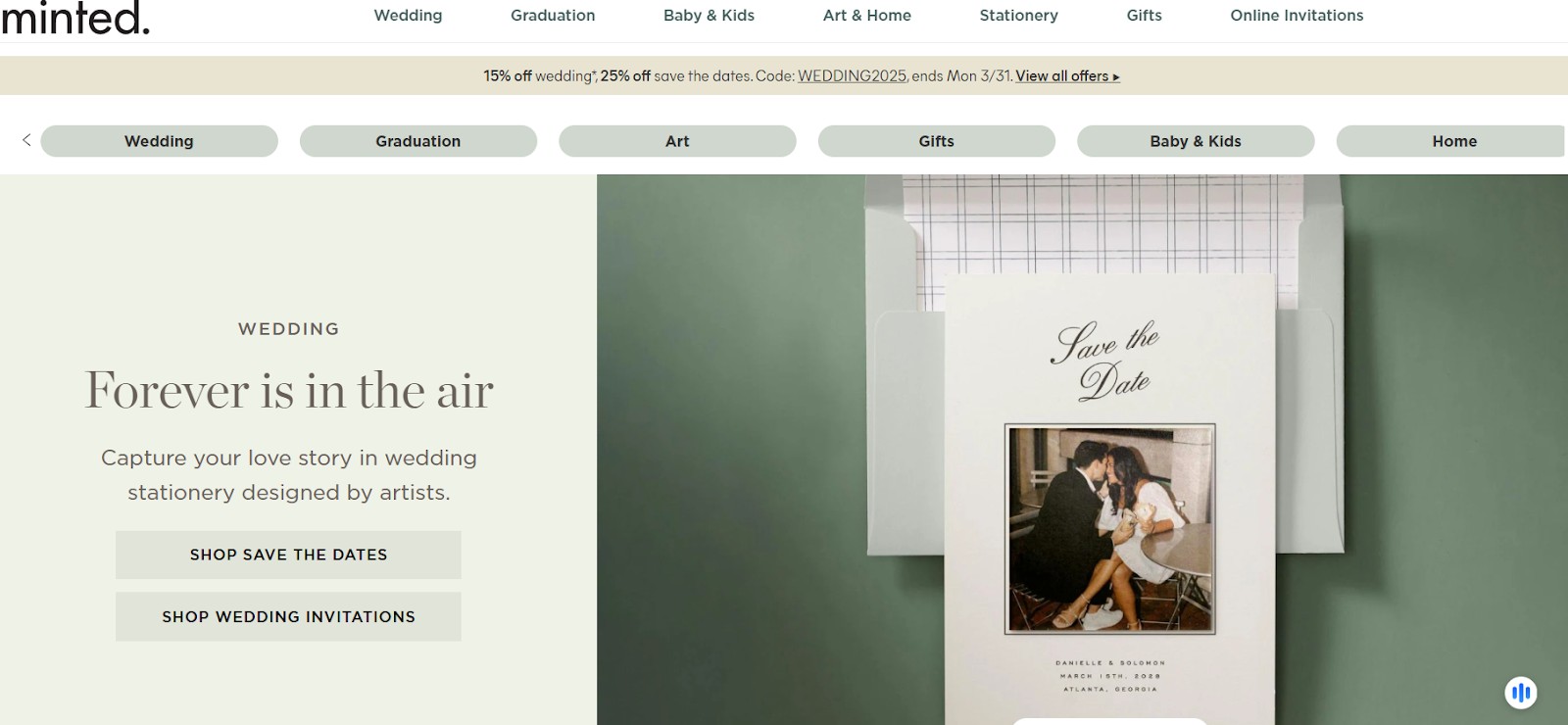
Minted (UK). A UK-based fintech that allows users to buy fractional physical gold with immediate execution. All gold is stored in secure UK vaults and is redeemable upon request. Transactions are fully backed and settled instantly, adhering to Shariah standards.
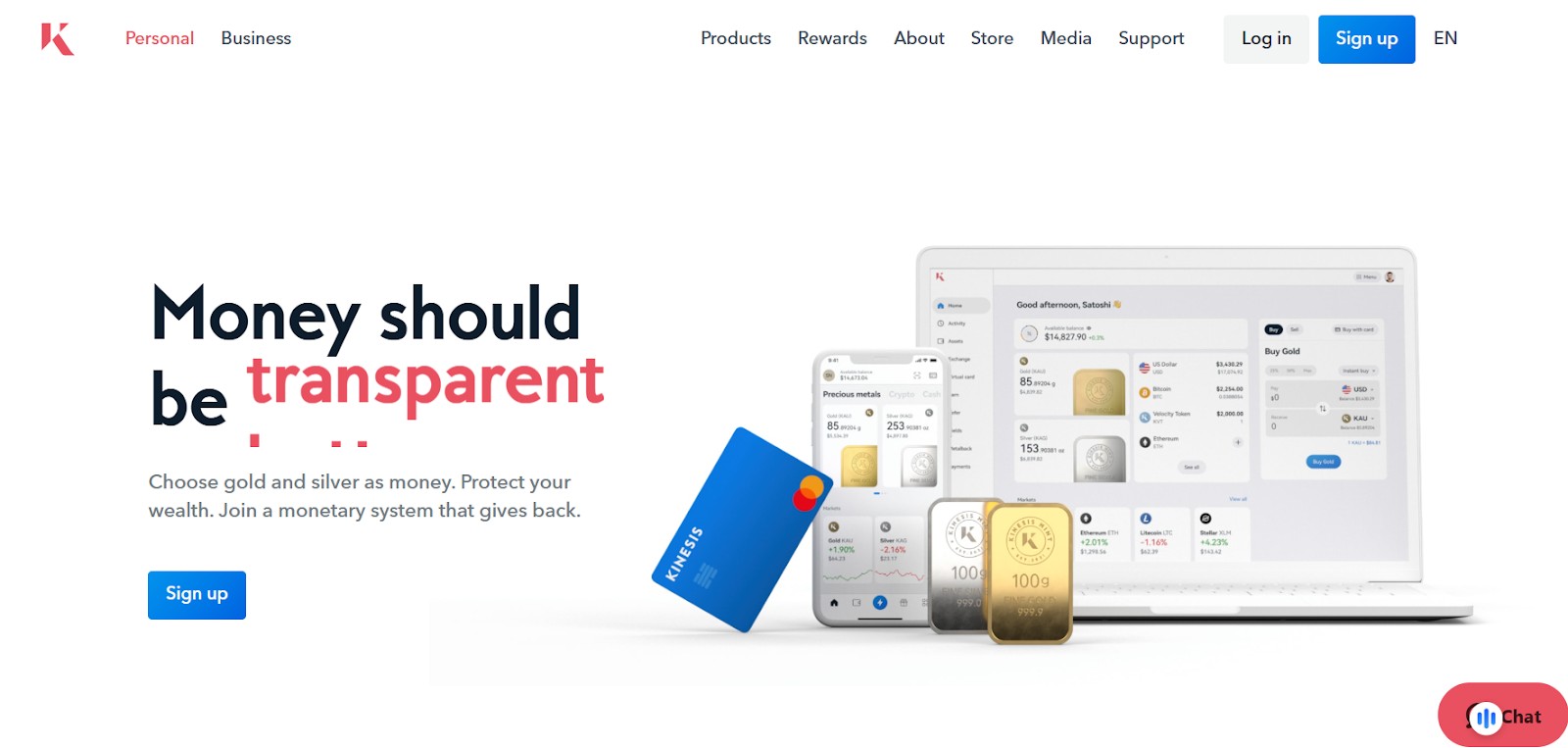
Kinesis (Global). Offers Shariah-certified gold tokens (KAU), with each KAU representing 1 gram of physical gold stored in audited, insured vaults. Kinesis is certified by Amanah Advisors and supports real-time ownership, redemption, and interest-free structure.
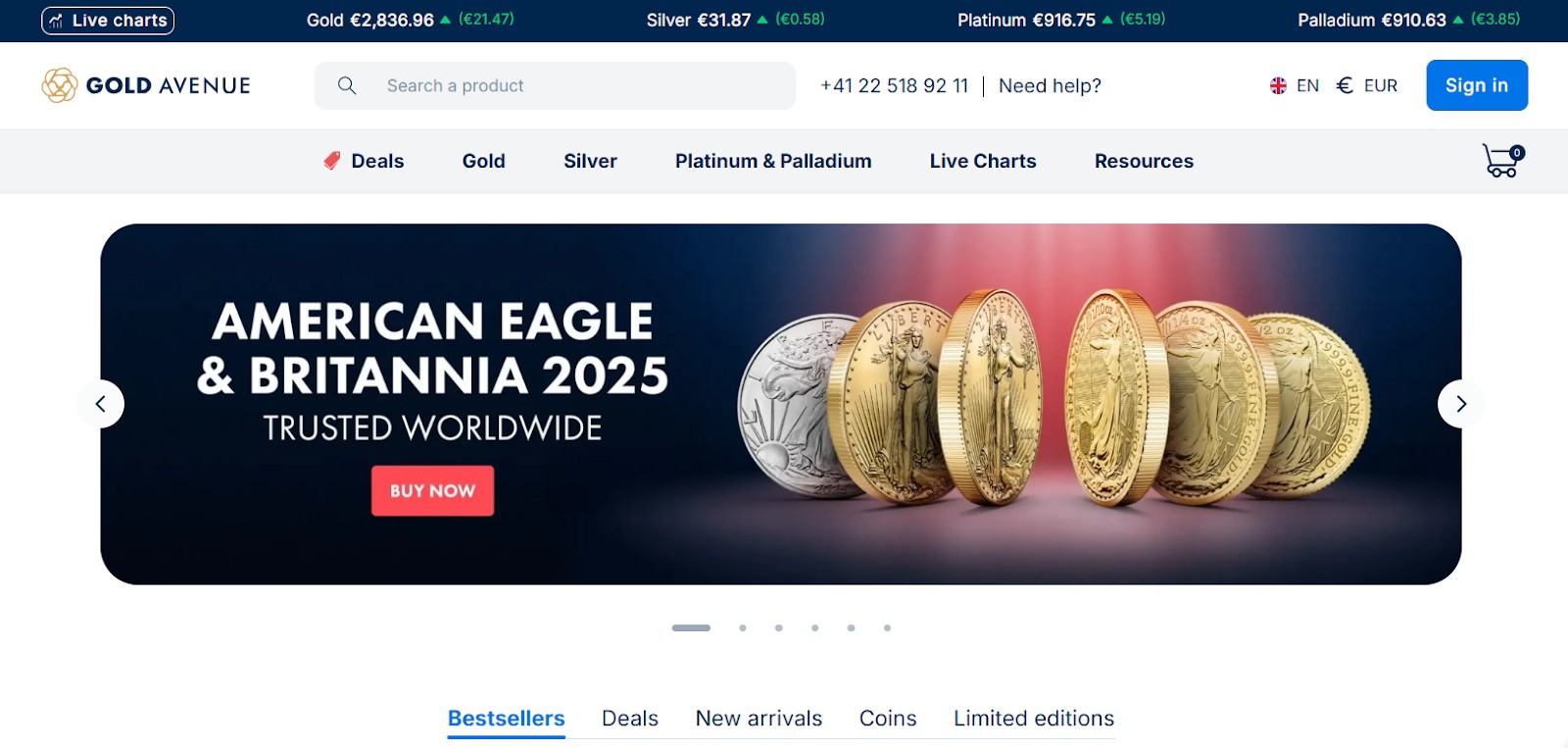
Gold Avenue (Switzerland). A platform affiliated with MKS PAMP Group that provides access to investment-grade gold and silver with free, insured storage in Switzerland. Users have full legal ownership and can request delivery, ensuring compliance with halal requirements.
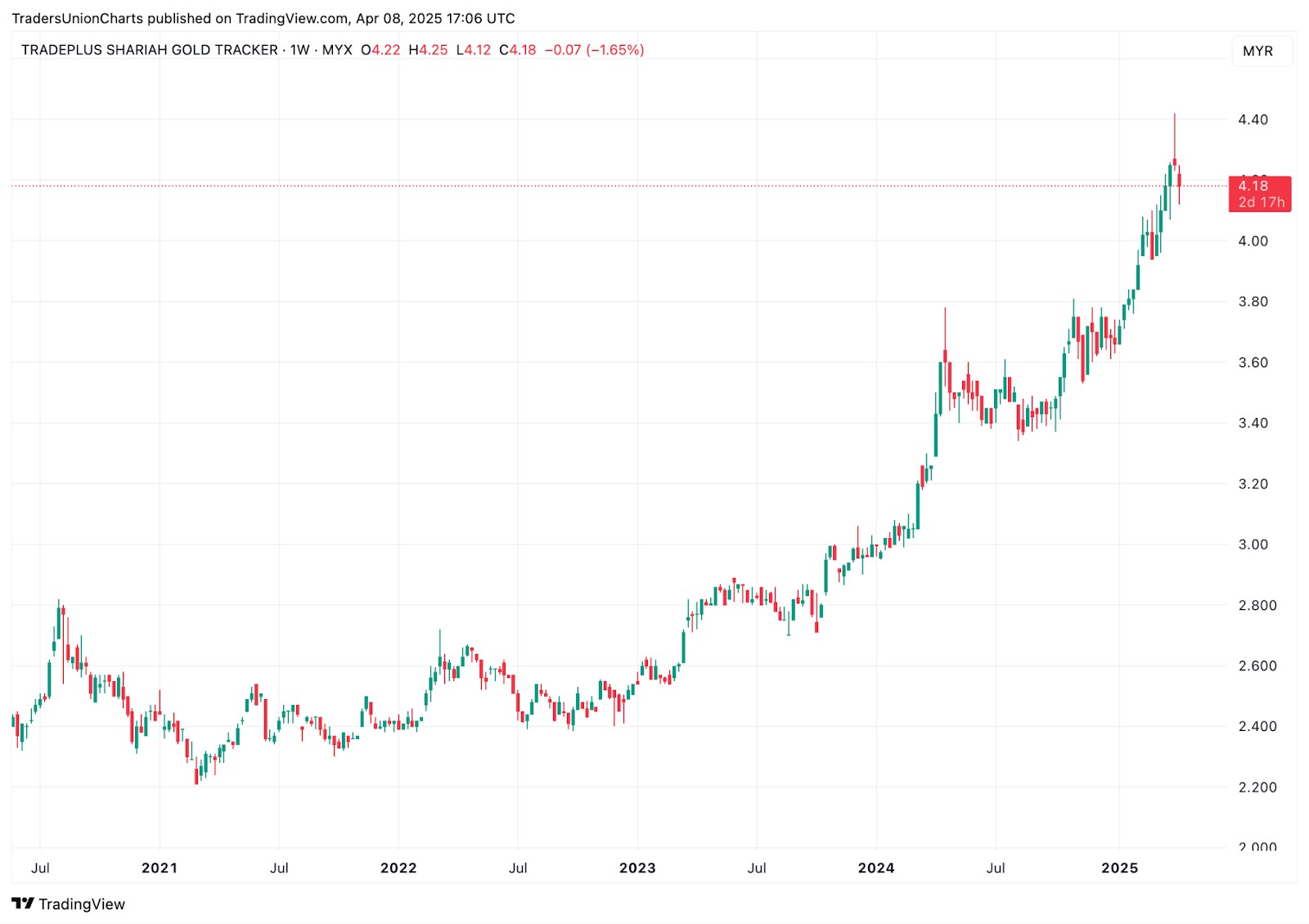
TradePlus Shariah Gold tracker (Malaysia). A physically backed gold ETF listed on Bursa Malaysia, certified halal by a recognized Shariah board. It offers a regulated, accessible option for investors seeking exposure to gold prices through a compliant structure.
Islamicly 24K Gold Program. A new initiative within the Islamically platform, offering immediate allocation and documented ownership of physical gold. All assets are securely stored, reinforcing the platform’s mission to support transparent and Shariah-based investing.

Common misconceptions
Islamic gold trading isn’t just about avoiding interest — it’s about aligning with real-time fairness, risk-sharing, and ethical intent.
Spot trading isn't automatically Shariah-compliant. Many beginners ask, is spot gold trading halal? Spot trading isn't automatically Shariah-compliant. While it may seem permissible at first glance, if the transaction isn’t settled immediately — with both gold and payment exchanged hand-to-hand or electronically in real time — it violates Islamic principles.
Digital gold isn't always “real” gold. Some platforms sell “gold” that doesn’t actually exist — if there's no actual physical backing and full ownership, it’s not permissible under Shariah law, even if it looks like a great investment.
Delayed settlement cancels the deal in Shariah. Even a short delay in transfer of funds or gold delivery (like T+2 settlement) renders the trade non-compliant, unlike in conventional finance where that’s completely normal.
Paper gold is usually speculative. Buying into ETFs or contracts that don’t result in physical delivery or full control over the asset is often closer to gambling than investing from a fiqh perspective.
Using leverage is a hidden riba trap. Margin trading may look attractive, but borrowing money to invest (or using borrowed funds from the broker) introduces interest — even if you never see the interest fee directly.
How to trade gold in a Halal way
Choose certified brokers with no interest, no leverage
Always trade through brokers or platforms that clearly offer Islamic accounts. These accounts are designed to avoid swap fees (interest) and allow you to trade without using leverage. To help you find the best broker offering a swap-free account, we have researched the market and presented the top options below. You can compare them and make a choice:
| Plus500 | OANDA | FOREX.com | IG Markets | Interactive Brokers | |
|---|---|---|---|---|---|
|
Swap Free |
No | Yes | Yes | No | No |
|
Gold |
Yes | Yes | Yes | Yes | Yes |
|
XAU/USD spread, pips |
45 | 30 | 35 | 30 | 15 |
|
XAU/USD commission, $ |
3 | 3 | 2.5 | No | 2 |
|
Min. deposit, $ |
100 | No | 100 | 1 | No |
|
Regulation |
CySEC, FCA, ASIC, FMA, FSCA, FSA Seychelles, EFSA, MAS, DFSA, SCB | FSC (BVI), ASIC, IIROC, FCA, CFTC, NFA | CIMA, FCA, FSA (Japan), NFA, IIROC, ASIC, CFTC | FCA, BaFin, ASIC, MAS, CySec, FINMA, BMA, CFTC, NFA | SEC, FINRA, SIPC, FCA, NSE, BSE, SEBI, SEHK, HKFE, IIROC, ASIC, CFTC, NFA |
|
TU overall score |
7.7 | 6.63 | 6.47 | 6.38 | 6.37 |
|
Open an account |
Go to broker 81% of retail CFD accounts lose money. |
Go to broker Your capital is at risk. |
Study review | Study review | Study review |
Ensure instant settlement and full ownership
Gold is considered a ribawi item, so when it’s exchanged for money, the transaction must happen on the spot. That means full payment and instant transfer of ownership are both required. Whether you’re buying physical or digital gold, the platform should provide immediate proof of ownership — such as a vault certificate, serial number, or token ID — as soon as you complete the purchase.
Avoid derivatives, futures, and margin trading
These products involve delayed settlement, speculation, or borrowed funds — all of which go against Shariah principles. Futures delay delivery, options involve guessing price direction, and margin trading uses borrowed capital — making them fall under riba or gharar, and therefore, not permissible.
Prefer physical gold or certified digital gold (e.g., KAU, OGC)
The most dependable way to ensure halal gold trading is by purchasing physical bars or coins from trusted sources like Minted or Gold Avenue. If you're going digital, certified gold tokens such as Kinesis Gold (KAU) or OneGram Coin (OGC) offer blockchain-based ownership of fully allocated gold. These options give you transparency, security, and are structured to meet AAOIFI compliance standards.
By following these steps, Muslim traders can invest in gold confidently and ethically, ensuring that all aspects of their trades comply with the latest Islamic finance rulings as of 2026.
Key tips for beginners
If you're just starting out, it's safest to focus on physical gold purchases from well-known and regulated dealers. These include banks, national mints, or trusted private dealers offering gold bars and coins with immediate delivery.
To make informed decisions, spend time understanding the basics of Islamic finance. Focus on the rules for trading ribawi goods and study the AAOIFI Shariah Standards, especially Standard No. 57 (Gold and Silver Trading) and Standard No. 59 (Possession in Financial Transactions). Free resources are available online from Islamic finance academies and institutes.
As a beginner, avoid complex instruments such as ETFs, futures, or CFDs. Stick with transparent and physically-backed options while building your knowledge base.
Real-time settlement and possession define halal gold trading today

Most beginners assume that if a platform offers “Shariah-compliant gold,” the trade is automatically halal — but the finer details of settlement and possession are what actually make or break compliance. In Islamic finance, gold is a ribawi item, so any delay in either payment or delivery turns the deal haram. This means platforms that delay ownership confirmation — even by a few minutes — or use batch processing methods might unknowingly violate Shariah. What many don’t realize is that even some “Islamic gold apps” only issue proof of ownership hours after purchase, which invalidates the transaction in real-time Shariah terms.
A deeper layer most beginners miss is how digital gold is stored and verified. It's not enough for a token to say it’s backed by physical gold — you need serial numbers, vault location, and real-time access to documentation. Platforms like KAU and OGC stand out not because they're digital, but because they meet the classical requirements of qabd (immediate possession) and taqabud (exchange within the same session). If you can’t access the asset instantly with clear proof, no matter how tech-forward the platform is, it doesn’t meet halal standards.
Conclusion
In summary, gold trading is considered halal in Islam when it strictly follows Sharia principles, with immediate spot settlement and real ownership being non-negotiable essentials. Engaging in practices like deferred payments or leverage-based contracts compromises the permissibility, underscoring the need for vigilance among Muslim traders. For instance, buying gold in cash and taking possession instantly upholds Sharia compliance, while speculative futures contracts do not. Ultimately, true halal gold trading is not just about profit—it's about integrity and adherence to Islamic ethics. Navigating the gold market with these principles ensures both financial success and spiritual peace.
FAQs
What types of gold investment are generally considered halal under Islamic finance principles?
Why are leveraged gold trades and margin accounts considered impermissible in Islam?
How does the Shariah view the use of gold for purposes like paying debts or settling contracts?
Are there specific standards or guidelines that define halal gold trading today?
Editors' Top Picks and Insights





Related Articles
Team that worked on the article
Alamin Morshed is a contributor at Traders Union. He specializes in writing articles for businesses that want to improve their Google search rankings to compete with their competition.
Chinmay Soni is a financial analyst with more than 5 years of experience in working with stocks, Forex, derivatives, and other assets. As a founder of a boutique research firm and an active researcher, he covers various industries and fields, providing insights backed by statistical data.
Mirjan Hipolito is a journalist and news editor at Traders Union. She is an expert crypto writer with five years of experience in the financial markets.
Yield refers to the earnings or income derived from an investment. It mirrors the returns generated by owning assets such as stocks, bonds, or other financial instruments.
Cryptocurrency is a type of digital or virtual currency that relies on cryptography for security. Unlike traditional currencies issued by governments (fiat currencies), cryptocurrencies operate on decentralized networks, typically based on blockchain technology.
An investor is an individual, who invests money in an asset with the expectation that its value would appreciate in the future. The asset can be anything, including a bond, debenture, mutual fund, equity, gold, silver, exchange-traded funds (ETFs), and real-estate property.
Index in trading is the measure of the performance of a group of stocks, which can include the assets and securities in it.
Forex leverage is a tool enabling traders to control larger positions with a relatively small amount of capital, amplifying potential profits and losses based on the chosen leverage ratio.

-
 Afghanistan
-
 Albania
-
 Algeria
-
 Angola
-
 Argentina
-
 Armenia
-
 Australia
-
 Austria
-
 Azerbaijan
-
 Bahamas
-
 Bahrain
-
 Bangladesh
-
 Belarus
-
 Belgium
-
 Bolivia
-
 Botswana
-
 Brazil
-
 Brunei
-
 Bulgaria
-
 Cambodia
-
 Cameroon
-
 Canada
-
 Chile
Chile
-
 China
China
-
 Colombia
-
 Congo
Congo
-
 Costa Rica
-
 Cote d'Ivoire
-
 Croatia
-
 Cuba
Cuba
-
 Cyprus
-
 Czechia
-
 DR Congo
-
 Denmark
-
 Dominican Republic
-
 Ecuador
-
 Egypt
Egypt
-
 El Salvador
-
 Estonia
-
 Eswatini
-
 Ethiopia
-
 Finland
-
 France
-
 Georgia
-
 Germany
-
 Ghana
Ghana
-
 Greece
-
 Haiti
Haiti
-
 Hong Kong
-
 Hungary
-
 India
India
-
 Indonesia
-
 Iran, Islamic republic
-
 Iraq
Iraq
-
 Ireland
-
 Israel
-
 Italy
Italy
-
 Jamaica
-
 Japan
Japan
-
 Jordan
-
 Kazakhstan
-
 Kenya
Kenya
-
 Korea
Korea
-
 Kuwait
-
 Kyrgyzstan
-
 Laos
Laos
-
 Latvia
-
 Lebanon
-
 Lesotho
-
 Libya
Libya
-
 Lithuania
-
 Luxembourg
-
 Madagascar
-
 Malaysia
-
 Malta
Malta
-
 Mauritius
-
 Mexico
-
 Moldova
-
 Mongolia
-
 Montenegro
-
 Morocco
-
 Mozambique
-
 Myanmar
-
 Namibia
-
 Nepal
Nepal
-
 Netherlands
-
 New Zealand
-
 Nigeria
-
 North Macedonia
-
 Norway
-
 Oman
Oman
-
 Pakistan
-
 Palestine
-
 Panama
-
 Papua New Guinea
-
 Paraguay
-
 Peru
Peru
-
 Philippines
-
 Poland
-
 Portugal
-
 Puerto Rico
-
 Qatar
Qatar
-
 Reunion
-
 Romania
-
 Rwanda
-
 Saudi Arabia
-
 Serbia
-
 Singapore
-
 Slovakia
-
 Slovenia
-
 Somalia
-
 South Africa
-
 Spain
Spain
-
 Sri Lanka
-
 Sweden
-
 Switzerland
-
 Syria
Syria
-
 Taiwan
-
 Tajikistan
-
 Tanzania
-
 Thailand
-
 Trinidad and Tobago
-
 Tunisia
-
 Turkey
-
 UAE
UAE
-
 Uganda
-
 Ukraine
-
 United Kingdom
-
United States
-
 Uruguay
-
 Uzbekistan
-
 Venezuela
-
 Vietnam
-
 Yemen
Yemen
-
 Zambia
-
 Zimbabwe
- Forex
- Crypto












