

U.S. brokers prepare for compute futures trading as CFTC review nears completion

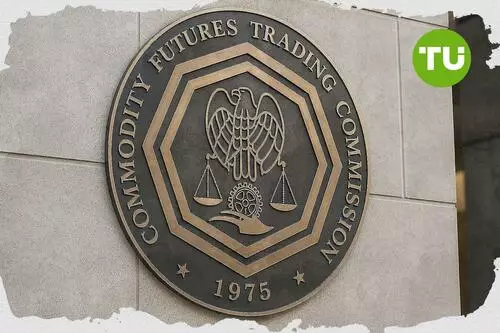
Commodity brokerage firms are positioning for a potential new derivatives market linked to the cost of renting computing power for artificial intelligence. The preparations point to growing financial interest in AI infrastructure as regulators near a decision on whether compute futures can begin trading in the U.S.
Highlights
- ADM Investor Services, BGC Group Inc, and Nanhua USA LLC are preparing for potential CFTC approval of compute futures trading tied to AI computing costs.
- Proposed compute futures contracts would allow institutional investors to hedge or speculate on fluctuations in the price of AI-related computing capacity.
- If approved, compute futures could create a new derivatives niche for brokers, reinforcing computing power as a tradable risk in U.S. financial markets.

- Chosen by 2 000+ local traders in the last 3 months.
- Traders earn on average 12% more per month vs other brokers.
Broker preparations for possible CFTC approval
As first reported by Bloomberg, firms including ADM Investor Services, BGC Group Inc and Nanhua USA LLC are preparing for possible approval by the Commodity Futures Trading Commission for compute futures trading in the U.S. The proposed contracts would be tied to the cost of renting computing power used to develop and run artificial intelligence.These brokerages operate between exchanges and customers, handling order execution for hedge funds, commodities traders, commercial companies and other institutional investors. Their preparations suggest parts of the futures industry expect demand for instruments that can hedge or speculate on AI-related computing costs.
AI infrastructure opens a new derivatives niche
Compute futures would extend derivatives trading into a market shaped by the rapid expansion of artificial intelligence and the infrastructure needed to support it. If approved, the contracts could give institutional market participants a new way to manage exposure to changes in the price of compute capacity.For the brokerage sector, the development could create a new line of activity tied to AI infrastructure rather than traditional commodities alone. It also underscores how demand for computing power is increasingly being treated as a tradable financial risk within U.S. markets.
In our earlier coverage of U.S. AI data center expansion, we explained how surging investment is colliding with higher financing costs, construction delays, and power-grid constraints that can limit how fast compute capacity actually comes online. We also noted that weakening investor sentiment and cost overruns at major projects are raising doubts about whether developers can deliver on aggressive buildout plans and maintain confidence in the sector.










-
 Afghanistan
-
 Albania
-
 Algeria
-
 Angola
-
 Argentina
-
 Armenia
-
 Australia
-
 Austria
-
 Azerbaijan
-
 Bahamas
-
 Bahrain
-
 Bangladesh
-
 Belarus
-
 Belgium
-
 Bolivia
-
 Botswana
-
 Brazil
-
 Brunei
-
 Bulgaria
-
 Cambodia
-
 Cameroon
-
 Canada
-
 Chile
-
 China
-
 Colombia
-
 Congo
-
 Costa Rica
-
 Cote d'Ivoire
-
 Croatia
-
 Cuba
-
 Cyprus
-
 Czechia
-
 DR Congo
-
 Denmark
-
 Dominican Republic
-
 Ecuador
-
 Egypt
-
 El Salvador
-
 Estonia
-
 Eswatini
-
 Ethiopia
-
 Finland
-
 France
-
 Georgia
-
 Germany
-
 Ghana
-
 Greece
-
 Haiti
-
 Hong Kong
-
 Hungary
-
 India
-
 Indonesia
-
 Iran, Islamic republic
-
 Iraq
-
 Ireland
-
 Israel
-
 Italy
-
 Jamaica
-
 Japan
-
 Jordan
-
 Kazakhstan
-
 Kenya
-
 Korea
-
 Kuwait
-
 Kyrgyzstan
-
 Laos
-
 Latvia
-
 Lebanon
-
 Lesotho
-
 Libya
-
 Lithuania
-
 Luxembourg
-
 Madagascar
-
 Malaysia
-
 Malta
-
 Mauritius
-
 Mexico
-
 Moldova
-
 Mongolia
-
 Montenegro
-
 Morocco
-
 Mozambique
-
 Myanmar
-
 Namibia
-
 Nepal
-
 Netherlands
-
 New Zealand
-
 Nigeria
-
 North Macedonia
-
 Norway
-
 Oman
-
 Pakistan
-
 Palestine
-
 Panama
-
 Papua New Guinea
-
 Paraguay
-
 Peru
-
 Philippines
-
 Poland
-
 Portugal
-
 Puerto Rico
-
 Qatar
-
 Reunion
-
 Romania
-
 Rwanda
-
 Saudi Arabia
-
 Serbia
-
 Singapore
-
 Slovakia
-
 Slovenia
-
 Somalia
-
 South Africa
-
 Spain
-
 Sri Lanka
-
 Sweden
-
 Switzerland
-
 Syria
-
 Taiwan
-
 Tajikistan
-
 Tanzania
-
 Thailand
-
 Trinidad and Tobago
-
 Tunisia
-
 Turkey
-
 UAE
-
 Uganda
-
 Ukraine
-
 United Kingdom
-
United States
-
 Uruguay
-
 Uzbekistan
-
 Venezuela
-
 Vietnam
-
 Yemen
-
 Zambia
-
 Zimbabwe
- Forex
- Crypto












