

OpenAI cuts GPT-6.1 Terra token prices as AI model competition intensifies

Falling token costs are reshaping the economics of generative AI as model providers compete more aggressively on price. OpenAI has launched its GPT-6.1 Terra model at up to half the per-token cost of the previous version, adding to pressure on spending growth across the sector.
Highlights
- OpenAI launched the GPT-6.1 Terra model with per-token prices up to 50% lower than its previous version amid intensifying AI competition.
- Corporate AI token prices averaged 59 cents per million tokens last Friday, roughly 35% below late June levels, according to Ramp data.
- Ramp reports that total corporate spending on AI tokens is flattening, raising investor concern despite rapid growth in token usage and declining costs.
Token pricing trends and new model launch
As reported by Axios, OpenAI has introduced a cheaper GPT-6.1 Terra model, with pricing that is up to 50% lower per token than the earlier version. The move comes as token prices, the basic unit of AI usage, continue to decline sharply across the market.Data from corporate expense management firm Ramp shows token prices at about 59 cents per million tokens as of last Friday. Ramp, which bases its index on actual corporate spending on AI services from Anthropic and OpenAI, says that level is roughly 35% below where prices stood at the end of June.
Investor concerns over spending growth
The broader decline in token pricing points to what appears to be a price war between the two largest AI model makers. That dynamic is unusual in a market still associated with rapid expansion in demand for AI tools and infrastructure.Supporters of the sector argue that usage is also rising quickly, suggesting lower computing costs could accelerate adoption and eventually support the large revenue expectations tied to the data center boom. Investors, however, remain focused less on token volumes than on total token spending, and recent figures from Ramp indicate that spending growth may be flattening.
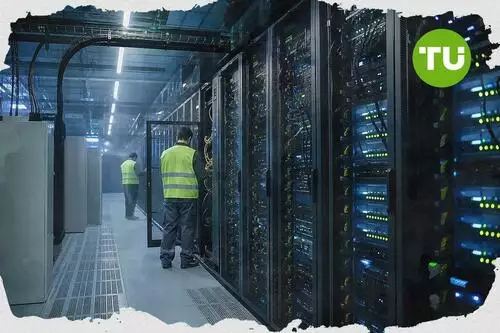
Our earlier coverage of the U.S. AI data center boom highlighted growing strain from rising financing costs, construction delays, and power constraints that are undermining confidence in massive buildout plans. We noted that only a minority of proposed projects appear realistic, while cost overruns and tighter capital markets are increasing the risk that developers miss timelines and weaken expected returns.






Latest Tokenization News




-
 Afghanistan
-
 Albania
-
 Algeria
-
 Angola
-
 Argentina
-
 Armenia
-
 Australia
-
 Austria
-
 Azerbaijan
-
 Bahamas
-
 Bahrain
-
 Bangladesh
-
 Belarus
-
 Belgium
-
 Bolivia
-
 Botswana
-
 Brazil
-
 Brunei
-
 Bulgaria
-
 Cambodia
-
 Cameroon
-
 Canada
-
 Chile
-
 China
-
 Colombia
-
 Congo
-
 Costa Rica
-
 Cote d'Ivoire
-
 Croatia
-
 Cuba
-
 Cyprus
-
 Czechia
-
 DR Congo
-
 Denmark
-
 Dominican Republic
-
 Ecuador
-
 Egypt
-
 El Salvador
-
 Estonia
-
 Eswatini
-
 Ethiopia
-
 Finland
-
 France
-
 Georgia
-
 Germany
-
 Ghana
-
 Greece
-
 Haiti
-
 Hong Kong
-
 Hungary
-
 India
-
 Indonesia
-
 Iran, Islamic republic
-
 Iraq
-
 Ireland
-
 Israel
-
 Italy
-
 Jamaica
-
 Japan
-
 Jordan
-
 Kazakhstan
-
 Kenya
-
 Korea
-
 Kuwait
-
 Kyrgyzstan
-
 Laos
-
 Latvia
-
 Lebanon
-
 Lesotho
-
 Libya
-
 Lithuania
-
 Luxembourg
-
 Madagascar
-
 Malaysia
-
 Malta
-
 Mauritius
-
 Mexico
-
 Moldova
-
 Mongolia
-
 Montenegro
-
 Morocco
-
 Mozambique
-
 Myanmar
-
 Namibia
-
 Nepal
-
 Netherlands
-
 New Zealand
-
 Nigeria
-
 North Macedonia
-
 Norway
-
 Oman
-
 Pakistan
-
 Palestine
-
 Panama
-
 Papua New Guinea
-
 Paraguay
-
 Peru
-
 Philippines
-
 Poland
-
 Portugal
-
 Puerto Rico
-
 Qatar
-
 Reunion
-
 Romania
-
 Rwanda
-
 Saudi Arabia
-
 Serbia
-
 Singapore
-
 Slovakia
-
 Slovenia
-
 Somalia
-
 South Africa
-
 Spain
-
 Sri Lanka
-
 Sweden
-
 Switzerland
-
 Syria
-
 Taiwan
-
 Tajikistan
-
 Tanzania
-
 Thailand
-
 Trinidad and Tobago
-
 Tunisia
-
 Turkey
-
 UAE
-
 Uganda
-
 Ukraine
-
 United Kingdom
-
United States
-
 Uruguay
-
 Uzbekistan
-
 Venezuela
-
 Vietnam
-
 Yemen
-
 Zambia
-
 Zimbabwe
- Forex
- Crypto












