

Saudi Aramco estimates timeline for rebuilding global oil inventories

The global oil market may need up to two years to rebuild inventories after disruptions caused by the U.S.-Iran war. Saudi Aramco CEO Amin Nasser made the assessment at the Energy Intelligence conference in London.
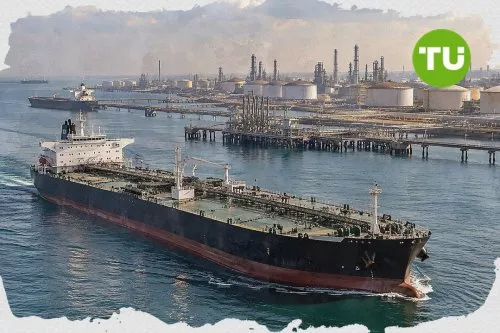
According to Nasser, supply conditions could worsen until the Strait of Hormuz fully reopens and confidence in stable shipping returns. Around 20% of global oil and liquefied natural gas supplies normally pass through the strait, CNBC reported.
Since late February, the market has already lost nearly 3 billion barrels of oil supply. At the same time, around 1 billion barrels have been released from commercial and strategic reserves. Nasser said a significant share of the roughly 6 billion barrels still in storage is not practically available for rapid use.
G7 starts tapping emergency reserves
Amid the shortage, G7 countries agreed to release 100 million barrels of diesel and crude oil from emergency reserves. The decision followed pressure from U.S. President Donald Trump.
Even after traffic through the Strait of Hormuz returns to normal, rebuilding inventories will take time. According to the Saudi Aramco CEO, the market will have to meet current demand while also replenishing depleted reserves, meaning the process could take as long as two years.
Oil prices remain elevated against this backdrop. On Monday, December Brent futures traded at around $102.9 per barrel, while November WTI futures stood near $90.8.
Why the oil shortage emerged
The main cause was the disruption of supplies through the Strait of Hormuz after the U.S. and Israel launched military action against Iran. Around 20% of global oil and liquefied natural gas supplies normally pass through this route, so reduced shipping quickly tightened the amount of crude available on the global market.
The problem was compounded by risks to tankers and disruptions to transport across the Persian Gulf. Some cargoes had to be rerouted along longer routes, while insurance and shipping costs increased. As a result, oil reached buyers more slowly, while countries and companies began drawing more heavily on existing inventories.
Saudi Aramco has also previously halted supplies to Europe.






Latest WTI News


-
 Afghanistan
-
 Albania
-
 Algeria
-
 Angola
-
 Argentina
-
 Armenia
-
 Australia
-
 Austria
-
 Azerbaijan
-
 Bahamas
-
 Bahrain
-
 Bangladesh
-
 Belarus
-
 Belgium
-
 Bolivia
-
 Botswana
-
 Brazil
-
 Brunei
-
 Bulgaria
-
 Cambodia
-
 Cameroon
-
 Canada
-
 Chile
-
 China
-
 Colombia
-
 Congo
-
 Costa Rica
-
 Cote d'Ivoire
-
 Croatia
-
 Cuba
-
 Cyprus
-
 Czechia
-
 DR Congo
-
 Denmark
-
 Dominican Republic
-
 Ecuador
-
 Egypt
-
 El Salvador
-
 Estonia
-
 Eswatini
-
 Ethiopia
-
 Finland
-
 France
-
 Georgia
-
 Germany
-
 Ghana
-
 Greece
-
 Haiti
-
 Hong Kong
-
 Hungary
-
 India
-
 Indonesia
-
 Iran, Islamic republic
-
 Iraq
-
 Ireland
-
 Israel
-
 Italy
-
 Jamaica
-
 Japan
-
 Jordan
-
 Kazakhstan
-
 Kenya
-
 Korea
-
 Kuwait
-
 Kyrgyzstan
-
 Laos
-
 Latvia
-
 Lebanon
-
 Lesotho
-
 Libya
-
 Lithuania
-
 Luxembourg
-
 Madagascar
-
 Malaysia
-
 Malta
-
 Mauritius
-
 Mexico
-
 Moldova
-
 Mongolia
-
 Montenegro
-
 Morocco
-
 Mozambique
-
 Myanmar
-
 Namibia
-
 Nepal
-
 Netherlands
-
 New Zealand
-
 Nigeria
-
 North Macedonia
-
 Norway
-
 Oman
-
 Pakistan
-
 Palestine
-
 Panama
-
 Papua New Guinea
-
 Paraguay
-
 Peru
-
 Philippines
-
 Poland
-
 Portugal
-
 Puerto Rico
-
 Qatar
-
 Reunion
-
 Romania
-
 Rwanda
-
 Saudi Arabia
-
 Serbia
-
 Singapore
-
 Slovakia
-
 Slovenia
-
 Somalia
-
 South Africa
-
 Spain
-
 Sri Lanka
-
 Sweden
-
 Switzerland
-
 Syria
-
 Taiwan
-
 Tajikistan
-
 Tanzania
-
 Thailand
-
 Trinidad and Tobago
-
 Tunisia
-
 Turkey
-
 UAE
-
 Uganda
-
 Ukraine
-
 United Kingdom
-
United States
-
 Uruguay
-
 Uzbekistan
-
 Venezuela
-
 Vietnam
-
 Yemen
-
 Zambia
-
 Zimbabwe
- Forex
- Crypto












