

China soybean imports from U.S. rebound in September as trade-deal shipments arrive

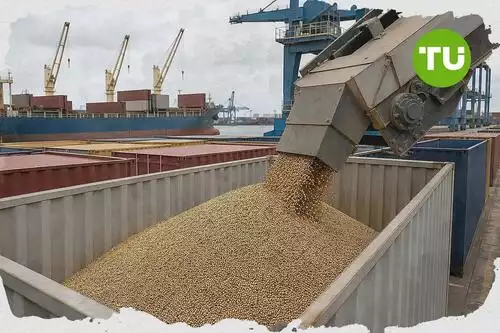
China's soybean purchases from the U.S. recover in September after no arrivals from a year earlier, reflecting the continued delivery of cargoes booked after last year's trade truce. The rebound comes even as China's overall soybean imports decline from the same month last year and Brazilian shipments edge lower.
Highlights
- China imports 360,878 tons of U.S. soybeans in September, up from zero last year, as trade-deal shipments resume.
- Total September soybean imports fall 7.7% year on year to 11.88 million tons, with Brazilian imports down 2.4% to 10.7 million tons.
- From January to September, U.S. soybean imports drop 34% to 11.06 million tons, while Brazilian shipments rise 3.4% to 65.84 million tons.
September import mix shifts as U.S. cargoes return
As reported by Reuters, citing the General Administration of Customs, China imports 360,878 metric tons of U.S. soybeans in September, compared with zero a year earlier, as shipments tied to purchases made after last year's trade agreement continue to reach Chinese ports.Imports from Brazil fall 2.4% year on year to 10.7 million tons from 10.96 million tons in the same month last year. China, the world's largest soybean buyer, brings in 11.88 million metric tons of soybeans in September, down 7.7% from a year earlier.
Trade tensions continue to shape buying patterns
In the January to September period, soybean imports from the U.S. fall 34% from a year earlier to 11.06 million tons, while shipments from Brazil rise 3.4% to 65.84 million tons.Trade tensions between Beijing and Washington last year prompt Chinese buyers to delay purchases of the previous U.S. harvest until after an October summit between the two countries' leaders. After that meeting, Beijing purchases around 12 million tons of U.S. soybeans, still below levels seen before the trade war.
Traders told Reuters last week that China also purchases more than 60% of its 25 million ton U.S. soybean buying target for the 2026/27 marketing year, with shipments beginning in September.
Our earlier coverage of the WTO’s assessment highlighted how wars, tariffs, and recurring disruptions are leaving a lasting imprint on global trade, pushing companies to redesign supply chains and shipping routes for resilience rather than cost. The WTO warned that some of these shifts could persist even after conflicts ease, as businesses diversify routes and suppliers to reduce exposure to future shocks.









-
 Afghanistan
-
 Albania
-
 Algeria
-
 Angola
-
 Argentina
-
 Armenia
-
 Australia
-
 Austria
-
 Azerbaijan
-
 Bahamas
-
 Bahrain
-
 Bangladesh
-
 Belarus
-
 Belgium
-
 Bolivia
-
 Botswana
-
 Brazil
-
 Brunei
-
 Bulgaria
-
 Cambodia
-
 Cameroon
-
 Canada
-
 Chile
-
 China
-
 Colombia
-
 Congo
-
 Costa Rica
-
 Cote d'Ivoire
-
 Croatia
-
 Cuba
-
 Cyprus
-
 Czechia
-
 DR Congo
-
 Denmark
-
 Dominican Republic
-
 Ecuador
-
 Egypt
-
 El Salvador
-
 Estonia
-
 Eswatini
-
 Ethiopia
-
 Finland
-
 France
-
 Georgia
-
 Germany
-
 Ghana
-
 Greece
-
 Haiti
-
 Hong Kong
-
 Hungary
-
 India
-
 Indonesia
-
 Iran, Islamic republic
-
 Iraq
-
 Ireland
-
 Israel
-
 Italy
-
 Jamaica
-
 Japan
-
 Jordan
-
 Kazakhstan
-
 Kenya
-
 Korea
-
 Kuwait
-
 Kyrgyzstan
-
 Laos
-
 Latvia
-
 Lebanon
-
 Lesotho
-
 Libya
-
 Lithuania
-
 Luxembourg
-
 Madagascar
-
 Malaysia
-
 Malta
-
 Mauritius
-
 Mexico
-
 Moldova
-
 Mongolia
-
 Montenegro
-
 Morocco
-
 Mozambique
-
 Myanmar
-
 Namibia
-
 Nepal
-
 Netherlands
-
 New Zealand
-
 Nigeria
-
 North Macedonia
-
 Norway
-
 Oman
-
 Pakistan
-
 Palestine
-
 Panama
-
 Papua New Guinea
-
 Paraguay
-
 Peru
-
 Philippines
-
 Poland
-
 Portugal
-
 Puerto Rico
-
 Qatar
-
 Reunion
-
 Romania
-
 Rwanda
-
 Saudi Arabia
-
 Serbia
-
 Singapore
-
 Slovakia
-
 Slovenia
-
 Somalia
-
 South Africa
-
 Spain
-
 Sri Lanka
-
 Sweden
-
 Switzerland
-
 Syria
-
 Taiwan
-
 Tajikistan
-
 Tanzania
-
 Thailand
-
 Trinidad and Tobago
-
 Tunisia
-
 Turkey
-
 UAE
-
 Uganda
-
 Ukraine
-
 United Kingdom
-
United States
-
 Uruguay
-
 Uzbekistan
-
 Venezuela
-
 Vietnam
-
 Yemen
-
 Zambia
-
 Zimbabwe
- Forex
- Crypto












