


Global oil prices continue to rise amid escalating tensions in the Middle East. On Friday, October 23, Brent crude approached $114 per barrel, reaching its highest level since early May. Investors are closely monitoring reports of attacks on vessels in the Persian Gulf and potential threats to oil supplies from the region.
According to CNBC, December Brent crude futures rose 0.7% to $113.50 per barrel. U.S. West Texas Intermediate (WTI) crude gained 0.8%, trading at $100.24.
Brent is on track to gain approximately 3.3% for the week. If the trend continues, it would mark a third consecutive week of gains. Meanwhile, WTI could end the week down 1.1%, breaking a two-week winning streak.
Tensions escalate around the Strait of Hormuz
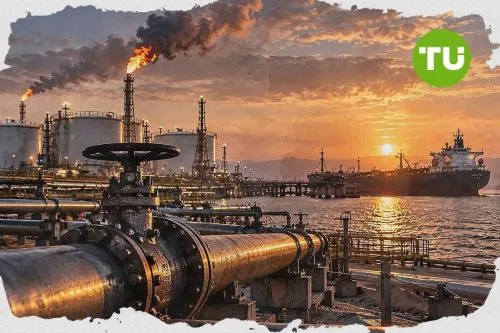
The situation around the Strait of Hormuz, a crucial route for transporting oil from Persian Gulf countries, remains one of the main sources of instability in the oil market.
On October 22, U.S. President Donald Trump accused Iran of spreading false information about attacks on ships passing through the strait. He claimed Tehran was attempting to artificially drive up oil prices ahead of the U.S. midterm elections.
In a post on Truth Social, Trump alleged that Iran was fabricating reports of ships being hit and naval mines. The U.S. president also claimed that more oil is currently passing through the Strait of Hormuz than before the conflict began.
Meanwhile, Iran's Tasnim news agency, citing the Islamic Revolutionary Guard Corps, reported that four vessels had been struck and caught fire in the Persian Gulf. Another three ships reportedly hit mines in the Strait of Hormuz, according to Iranian authorities.
In addition, Iran's army chief said the country's armed forces were fully prepared for asymmetric warfare after strengthening their military capabilities.
Attacks target Saudi Arabia's oil infrastructure
Tensions have also spread to Saudi Arabia. According to Reuters, state-owned oil giant Saudi Aramco ordered employees to evacuate its headquarters in Dhahran and switch to remote work.
The decision followed a series of attacks by Yemen's Iran-backed Houthi rebels.
In recent weeks, the Houthis have carried out strikes on Saudi airports and several Saudi Aramco offices. The attacks have resulted in multiple fatalities.
Ongoing attacks on vessels and oil infrastructure are increasing uncertainty in the energy market. Traders fear further disruptions to supplies from Persian Gulf countries, keeping oil prices elevated.
Rising oil prices increase political pressure on Trump
The ongoing conflict in the Middle East poses additional political risks for U.S. President Donald Trump. The congressional midterm elections are scheduled for November 3, while rising oil prices are pushing up gasoline costs and increasing expenses for American households. This is fueling voter dissatisfaction and could negatively affect support for the Republican Party.
According to a Washington Post, ABC News, and Ipsos poll published on October 18, 71% of Americans believe gasoline is too expensive, while Trump's job approval rating has fallen to 33%. Meanwhile, 69% of respondents in an AP-NORC survey said the war with Iran was not worth its costs. Further escalation of the conflict and persistently high fuel prices could therefore complicate the Republicans' position ahead of the elections.
As a reminder, oil prices surged sharply the previous day following attacks on Saudi Arabia.






Latest Brent News



-
 Afghanistan
-
 Albania
-
 Algeria
-
 Angola
-
 Argentina
-
 Armenia
-
 Australia
-
 Austria
-
 Azerbaijan
-
 Bahamas
-
 Bahrain
-
 Bangladesh
-
 Belarus
-
 Belgium
-
 Bolivia
-
 Botswana
-
 Brazil
-
 Brunei
-
 Bulgaria
-
 Cambodia
-
 Cameroon
-
 Canada
-
 Chile
-
 China
-
 Colombia
-
 Congo
-
 Costa Rica
-
 Cote d'Ivoire
-
 Croatia
-
 Cuba
-
 Cyprus
-
 Czechia
-
 DR Congo
-
 Denmark
-
 Dominican Republic
-
 Ecuador
-
 Egypt
-
 El Salvador
-
 Estonia
-
 Eswatini
-
 Ethiopia
-
 Finland
-
 France
-
 Georgia
-
 Germany
-
 Ghana
-
 Greece
-
 Haiti
-
 Hong Kong
-
 Hungary
-
 India
-
 Indonesia
-
 Iran, Islamic republic
-
 Iraq
-
 Ireland
-
 Israel
-
 Italy
-
 Jamaica
-
 Japan
-
 Jordan
-
 Kazakhstan
-
 Kenya
-
 Korea
-
 Kuwait
-
 Kyrgyzstan
-
 Laos
-
 Latvia
-
 Lebanon
-
 Lesotho
-
 Libya
-
 Lithuania
-
 Luxembourg
-
 Madagascar
-
 Malaysia
-
 Malta
-
 Mauritius
-
 Mexico
-
 Moldova
-
 Mongolia
-
 Montenegro
-
 Morocco
-
 Mozambique
-
 Myanmar
-
 Namibia
-
 Nepal
-
 Netherlands
-
 New Zealand
-
 Nigeria
-
 North Macedonia
-
 Norway
-
 Oman
-
 Pakistan
-
 Palestine
-
 Panama
-
 Papua New Guinea
-
 Paraguay
-
 Peru
-
 Philippines
-
 Poland
-
 Portugal
-
 Puerto Rico
-
 Qatar
-
 Reunion
-
 Romania
-
 Rwanda
-
 Saudi Arabia
-
 Serbia
-
 Singapore
-
 Slovakia
-
 Slovenia
-
 Somalia
-
 South Africa
-
 Spain
-
 Sri Lanka
-
 Sweden
-
 Switzerland
-
 Syria
-
 Taiwan
-
 Tajikistan
-
 Tanzania
-
 Thailand
-
 Trinidad and Tobago
-
 Tunisia
-
 Turkey
-
 UAE
-
 Uganda
-
 Ukraine
-
 United Kingdom
-
United States
-
 Uruguay
-
 Uzbekistan
-
 Venezuela
-
 Vietnam
-
 Yemen
-
 Zambia
-
 Zimbabwe
- Forex
- Crypto












