

Chemaf creditors take 70% debt loss in Congo miner restructuring

A restructuring of Chemaf SA sharply reduces the debt burden at a Congolese copper-cobalt miner tied to early U.S. efforts to secure critical minerals supply outside China. The settlement value implied by executed agreements falls to $250 million or less, from borrowings of $804 million at the time the transaction closed.
Highlights
- Trafigura Group-led creditors of Chemaf SA accept a 70% debt haircut, settling for $250 million or less against borrowings of $804 million.
- Lloyds Metals and Energy Ltd. and Virtus Minerals Inc. acquire Chemaf SA, with Virtus now holding a 51% stake after the restructuring.
- Chemaf operates in Congo's copper-cobalt sector, underscoring heightened financial risk and strategic importance amid global competition for critical minerals supply chains.
Debt settlement terms and ownership changes
As reported by Bloomberg, creditors led by Trafigura Group accept a haircut of about 70% on the debt of Chemaf SA, according to one of the miner's new owners.Indian miner Lloyds Metals and Energy Ltd., which teamed up with a firm headed by U.S. military veterans to buy Chemaf earlier this year, says in a disclosure to the Bombay Stock Exchange that executed agreements imply a cash settlement of the entire debt at $250 million or less. The company says that compares with borrowings of $804 million when Lloyds and Virtus Minerals Inc., now the 51% owner, completed the transaction.
Critical minerals implications in Congo
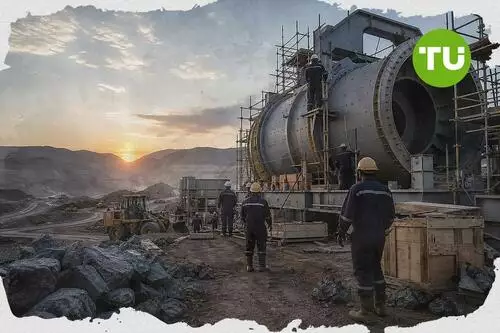
Chemaf operates in Congo's copper-cobalt sector, a strategically sensitive part of the global critical minerals market as the U.S. seeks to compete with China for supply chains.The scale of the writedown highlights both the financial distress surrounding the miner and the high-risk nature of securing assets in the sector, even as investors and governments push to expand access to materials used across battery and industrial markets.
China’s stance on rare earth export licenses for Europe highlighted how politically sensitive critical-minerals supply has become as major economies negotiate trade terms. Our earlier coverage noted that, even amid shifting deadlines and ongoing talks, governments and companies are increasingly prioritizing supply security and resilience over cost when it comes to strategically important materials.








-
 Afghanistan
-
 Albania
-
 Algeria
-
 Angola
-
 Argentina
-
 Armenia
-
 Australia
-
 Austria
-
 Azerbaijan
-
 Bahamas
-
 Bahrain
-
 Bangladesh
-
 Belarus
-
 Belgium
-
 Bolivia
-
 Botswana
-
 Brazil
-
 Brunei
-
 Bulgaria
-
 Cambodia
-
 Cameroon
-
 Canada
-
 Chile
-
 China
-
 Colombia
-
 Congo
-
 Costa Rica
-
 Cote d'Ivoire
-
 Croatia
-
 Cuba
-
 Cyprus
-
 Czechia
-
 DR Congo
-
 Denmark
-
 Dominican Republic
-
 Ecuador
-
 Egypt
-
 El Salvador
-
 Estonia
-
 Eswatini
-
 Ethiopia
-
 Finland
-
 France
-
 Georgia
-
 Germany
-
 Ghana
-
 Greece
-
 Haiti
-
 Hong Kong
-
 Hungary
-
 India
-
 Indonesia
-
 Iran, Islamic republic
-
 Iraq
-
 Ireland
-
 Israel
-
 Italy
-
 Jamaica
-
 Japan
-
 Jordan
-
 Kazakhstan
-
 Kenya
-
 Korea
-
 Kuwait
-
 Kyrgyzstan
-
 Laos
-
 Latvia
-
 Lebanon
-
 Lesotho
-
 Libya
-
 Lithuania
-
 Luxembourg
-
 Madagascar
-
 Malaysia
-
 Malta
-
 Mauritius
-
 Mexico
-
 Moldova
-
 Mongolia
-
 Montenegro
-
 Morocco
-
 Mozambique
-
 Myanmar
-
 Namibia
-
 Nepal
-
 Netherlands
-
 New Zealand
-
 Nigeria
-
 North Macedonia
-
 Norway
-
 Oman
-
 Pakistan
-
 Palestine
-
 Panama
-
 Papua New Guinea
-
 Paraguay
-
 Peru
-
 Philippines
-
 Poland
-
 Portugal
-
 Puerto Rico
-
 Qatar
-
 Reunion
-
 Romania
-
 Rwanda
-
 Saudi Arabia
-
 Serbia
-
 Singapore
-
 Slovakia
-
 Slovenia
-
 Somalia
-
 South Africa
-
 Spain
-
 Sri Lanka
-
 Sweden
-
 Switzerland
-
 Syria
-
 Taiwan
-
 Tajikistan
-
 Tanzania
-
 Thailand
-
 Trinidad and Tobago
-
 Tunisia
-
 Turkey
-
 UAE
-
 Uganda
-
 Ukraine
-
 United Kingdom
-
United States
-
 Uruguay
-
 Uzbekistan
-
 Venezuela
-
 Vietnam
-
 Yemen
-
 Zambia
-
 Zimbabwe
- Forex
- Crypto












