

Philippines agriculture department sees poultry supporting third-quarter farm output

The Philippines' agriculture sector is heading into the release of third-quarter output data with poultry expected to provide support against weakness in other key commodities. The Department of Agriculture is less confident about rice, corn, and pork, citing high input costs, weather disruptions, and softer farmer sentiment.
Highlights
- Poultry production is expected to drive third-quarter agriculture output, with the second quarter reaching P79.84 billion, up 6.3% year on year.
- Seasonally adjusted third-quarter corn output dropped 21.3% from the previous quarter to about 1.67 million metric tons, while palay output fell 18% year on year to 3.08 million metric tons.
- The Department of Agriculture estimates full-year 2026 palay production will decrease by 1 million metric tons due to high fertilizer costs, erratic weather, and low farmer confidence.
Third-quarter outlook ahead of PSA release
As reported by BusinessWorld Online, the Department of Agriculture says poultry production is expected to do the heavy lifting in third-quarter agriculture output data due for release Friday, even as pork, corn, and rice are likely to show the strains facing those industries.Agriculture Assistant Secretary Arnel V. de Mesa told reporters on Wednesday that the department is cautiously optimistic about the overall third-quarter result. He says poultry remains a consistently strong subsector and is hoped to continue growing.
In the second quarter, the value of poultry production reached P79.84 billion, up 6.3% from a year earlier.
Cost pressures and weather weigh on crops and livestock
De Mesa says rice, corn, and pork production are expected to reflect challenges tied to high fertilizer and feed costs, weather disruptions, and elevated fuel prices.The Philippine Statistics Authority reported that seasonally adjusted third-quarter corn output fell 21.3% from the previous quarter to about 1.67 million metric tons. It also reported that palay output declined 18% year on year in the third quarter to 3.08 million metric tons.
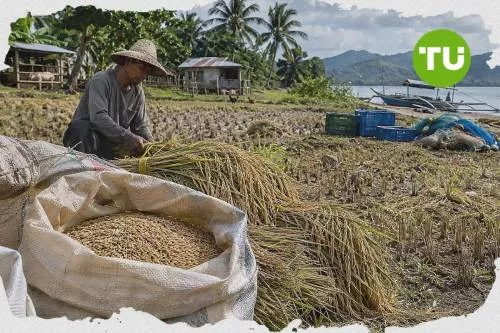
The department estimates full-year 2026 palay production will drop by 1 million metric tons. It links the decline in palay productivity to high fertilizer costs, erratic weather patterns, and low farmer confidence in planting decisions.
In an earlier briefing, de Mesa says expectations for farm production need to remain realistic. He adds that even if output does not increase, the priority is that the decline is not too severe.
Our earlier article on the UN-backed plan to move fertilizer through the Strait of Hormuz explained that the mechanism is still waiting on a U.S.-Iran agreement, with delays threatening to miss critical planting windows in import-dependent regions. We noted that prolonged shipping disruption could further tighten global fertilizer supplies, push up crop and livestock-related costs, and amplify food price risks across parts of Asia and Africa.










-
 Afghanistan
-
 Albania
-
 Algeria
-
 Angola
-
 Argentina
-
 Armenia
-
 Australia
-
 Austria
-
 Azerbaijan
-
 Bahamas
-
 Bahrain
-
 Bangladesh
-
 Belarus
-
 Belgium
-
 Bolivia
-
 Botswana
-
 Brazil
-
 Brunei
-
 Bulgaria
-
 Cambodia
-
 Cameroon
-
 Canada
-
 Chile
-
 China
-
 Colombia
-
 Congo
-
 Costa Rica
-
 Cote d'Ivoire
-
 Croatia
-
 Cuba
-
 Cyprus
-
 Czechia
-
 DR Congo
-
 Denmark
-
 Dominican Republic
-
 Ecuador
-
 Egypt
-
 El Salvador
-
 Estonia
-
 Eswatini
-
 Ethiopia
-
 Finland
-
 France
-
 Georgia
-
 Germany
-
 Ghana
-
 Greece
-
 Haiti
-
 Hong Kong
-
 Hungary
-
 India
-
 Indonesia
-
 Iran, Islamic republic
-
 Iraq
-
 Ireland
-
 Israel
-
 Italy
-
 Jamaica
-
 Japan
-
 Jordan
-
 Kazakhstan
-
 Kenya
-
 Korea
-
 Kuwait
-
 Kyrgyzstan
-
 Laos
-
 Latvia
-
 Lebanon
-
 Lesotho
-
 Libya
-
 Lithuania
-
 Luxembourg
-
 Madagascar
-
 Malaysia
-
 Malta
-
 Mauritius
-
 Mexico
-
 Moldova
-
 Mongolia
-
 Montenegro
-
 Morocco
-
 Mozambique
-
 Myanmar
-
 Namibia
-
 Nepal
-
 Netherlands
-
 New Zealand
-
 Nigeria
-
 North Macedonia
-
 Norway
-
 Oman
-
 Pakistan
-
 Palestine
-
 Panama
-
 Papua New Guinea
-
 Paraguay
-
 Peru
-
 Philippines
-
 Poland
-
 Portugal
-
 Puerto Rico
-
 Qatar
-
 Reunion
-
 Romania
-
 Rwanda
-
 Saudi Arabia
-
 Serbia
-
 Singapore
-
 Slovakia
-
 Slovenia
-
 Somalia
-
 South Africa
-
 Spain
-
 Sri Lanka
-
 Sweden
-
 Switzerland
-
 Syria
-
 Taiwan
-
 Tajikistan
-
 Tanzania
-
 Thailand
-
 Trinidad and Tobago
-
 Tunisia
-
 Turkey
-
 UAE
-
 Uganda
-
 Ukraine
-
 United Kingdom
-
United States
-
 Uruguay
-
 Uzbekistan
-
 Venezuela
-
 Vietnam
-
 Yemen
-
 Zambia
-
 Zimbabwe
- Forex
- Crypto












