

Philippines agriculture output falls in third quarter on crops, fisheries weakness

Philippine agricultural production contracts in the third quarter as declines in crops and fisheries outweigh gains in livestock and poultry. The value of output at constant 2018 prices slips to P389.42 billion, underscoring pressure on two segments that make up most of the sector's production base.
Highlights
- Agricultural production in the Philippines falls 5% year on year in Q3, dropping to P389.42 billion from P408.94 billion.
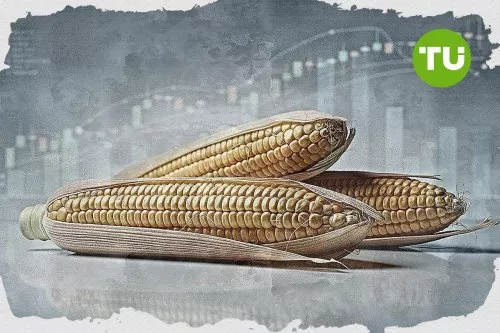
- Crop production declines 9.3% to P197.71 billion, led by sharp drops in palay (down 17.8%) and corn (down 17.4%).
- Fisheries output falls 8.5% to P50.86 billion, nearly two-thirds of total output decreases as livestock and poultry offer modest offset.
Third-quarter production drop driven by crops and fisheries
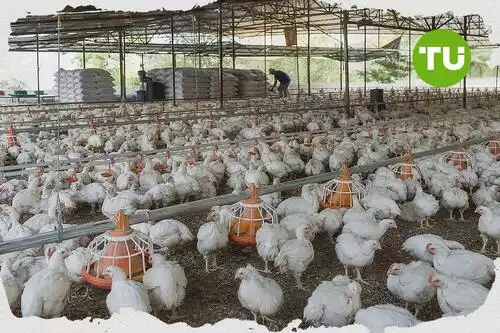
As reported by BusinessWorld, citing the Philippine Statistics Authority, agricultural production declines 5% year on year in the third quarter, with the value of production at constant 2018 prices falling to P389.42 billion from P408.94 billion a year earlier.Crop production falls 9.3%, while fisheries output declines 8.5%. By contrast, livestock grows 1.1% and poultry rises 4.9%, partly cushioning the broader sector's downturn.
Crop output, which accounts for 50.8% of the total value of production, comes in at P197.71 billion. The steepest declines are recorded in palay, or unmilled rice, down 17.8%, and corn, down 17.4%.
Sector mix highlights pressure on core food segments
Livestock production is valued at P61.17 billion, representing 15.7% of overall agricultural output, with the hog subsector expanding 1.9%. Poultry production reaches P79.67 billion and accounts for 20.5% of the total value of agricultural production.Fisheries output decreases to P50.86 billion, equivalent to 13.1% of overall production value. With crops and fisheries together comprising nearly two-thirds of total output, their contraction remains the main drag on the agriculture sector in the quarter.
Our earlier article on the Philippines’ expanding access to Malaysia’s halal market explained how another domestic certification body gained recognition from Malaysia’s JAKIM, widening certification options for Philippine exporters. We noted that strengthening halal certification infrastructure supports broader trade, investment, and tourism goals and can benefit multiple industries beyond food, by making it easier to meet import requirements in a key regional market.









-
 Afghanistan
-
 Albania
-
 Algeria
-
 Angola
-
 Argentina
-
 Armenia
-
 Australia
-
 Austria
-
 Azerbaijan
-
 Bahamas
-
 Bahrain
-
 Bangladesh
-
 Belarus
-
 Belgium
-
 Bolivia
-
 Botswana
-
 Brazil
-
 Brunei
-
 Bulgaria
-
 Cambodia
-
 Cameroon
-
 Canada
-
 Chile
-
 China
-
 Colombia
-
 Congo
-
 Costa Rica
-
 Cote d'Ivoire
-
 Croatia
-
 Cuba
-
 Cyprus
-
 Czechia
-
 DR Congo
-
 Denmark
-
 Dominican Republic
-
 Ecuador
-
 Egypt
-
 El Salvador
-
 Estonia
-
 Eswatini
-
 Ethiopia
-
 Finland
-
 France
-
 Georgia
-
 Germany
-
 Ghana
-
 Greece
-
 Haiti
-
 Hong Kong
-
 Hungary
-
 India
-
 Indonesia
-
 Iran, Islamic republic
-
 Iraq
-
 Ireland
-
 Israel
-
 Italy
-
 Jamaica
-
 Japan
-
 Jordan
-
 Kazakhstan
-
 Kenya
-
 Korea
-
 Kuwait
-
 Kyrgyzstan
-
 Laos
-
 Latvia
-
 Lebanon
-
 Lesotho
-
 Libya
-
 Lithuania
-
 Luxembourg
-
 Madagascar
-
 Malaysia
-
 Malta
-
 Mauritius
-
 Mexico
-
 Moldova
-
 Mongolia
-
 Montenegro
-
 Morocco
-
 Mozambique
-
 Myanmar
-
 Namibia
-
 Nepal
-
 Netherlands
-
 New Zealand
-
 Nigeria
-
 North Macedonia
-
 Norway
-
 Oman
-
 Pakistan
-
 Palestine
-
 Panama
-
 Papua New Guinea
-
 Paraguay
-
 Peru
-
 Philippines
-
 Poland
-
 Portugal
-
 Puerto Rico
-
 Qatar
-
 Reunion
-
 Romania
-
 Rwanda
-
 Saudi Arabia
-
 Serbia
-
 Singapore
-
 Slovakia
-
 Slovenia
-
 Somalia
-
 South Africa
-
 Spain
-
 Sri Lanka
-
 Sweden
-
 Switzerland
-
 Syria
-
 Taiwan
-
 Tajikistan
-
 Tanzania
-
 Thailand
-
 Trinidad and Tobago
-
 Tunisia
-
 Turkey
-
 UAE
-
 Uganda
-
 Ukraine
-
 United Kingdom
-
United States
-
 Uruguay
-
 Uzbekistan
-
 Venezuela
-
 Vietnam
-
 Yemen
-
 Zambia
-
 Zimbabwe
- Forex
- Crypto












