

Tasmania fisheries close parts of south-east rock lobster trade over antibiotic risk

Tasmania is closing parts of its south-east commercial rock lobster and dive fisheries for three months as authorities move to contain export risks tied to antibiotic use in nearby salmon farms. The restrictions run from November 15 to February 14 and affect designated therapeutic management areas in the Southern and Northern channels.
Highlights
- Tasmania's Department of Natural Resources and Environment closed selected commercial fishing areas from November 15 to February 14 over oxytetracycline trade risks.
- Commercial operators are restricted from taking rock lobster and various sea urchins in Southern and Northern Channel Therapeutic Management Areas due to antibiotic concerns linked to Tassal.
- Tassal is using oxytetracycline injections at Great Taylors Bay and Meads Creek after recent disease-driven fish stock losses, intensifying operational pressures for local seafood producers.
Closure scope and regulatory timeline
As reported by ABC News, Tasmania's Department of Natural Resources and Environment has issued two notices declaring selected commercial fishing areas closed from November 15 this year to February 14 next year to mitigate trade risks linked to oxytetracycline use.Under the measures, commercial operators cannot take rock lobster or set rock lobster pots in parts of the Southern Channel Therapeutic Management Area. Commercial divers are also barred from taking short-spined sea urchins, long-spined sea urchins and periwinkles in the Northern Channel Therapeutic Management Area.
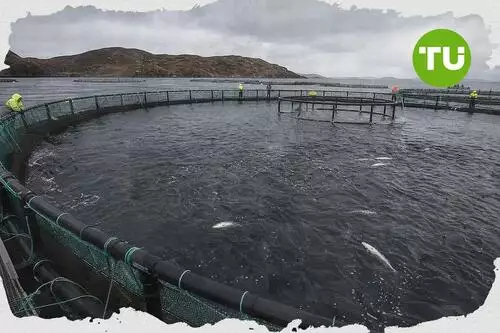
The action is linked to salmon producer Tassal's recent use of the antibiotic oxytetracycline, or OTC, at its farms at Great Taylors Bay and Meads Creek in the lower D'Entrecasteaux Channel.
Implications for salmon and seafood operators
Tassal is administering OTC by injection rather than through medicated feed, a detail that sits alongside the government's effort to limit trade complications for other seafood exports from the area.Public Health says swimming and recreational fishing remain completely safe, indicating the restrictions are targeted at commercial supply chains rather than wider public access. The salmon industry has also lost large amounts of fish stocks to disease recently, adding to operational pressure in the region.






Latest Food Industry News




-
 Afghanistan
-
 Albania
-
 Algeria
-
 Angola
-
 Argentina
-
 Armenia
-
 Australia
-
 Austria
-
 Azerbaijan
-
 Bahamas
-
 Bahrain
-
 Bangladesh
-
 Belarus
-
 Belgium
-
 Bolivia
-
 Botswana
-
 Brazil
-
 Brunei
-
 Bulgaria
-
 Cambodia
-
 Cameroon
-
 Canada
-
 Chile
-
 China
-
 Colombia
-
 Congo
-
 Costa Rica
-
 Cote d'Ivoire
-
 Croatia
-
 Cuba
-
 Cyprus
-
 Czechia
-
 DR Congo
-
 Denmark
-
 Dominican Republic
-
 Ecuador
-
 Egypt
-
 El Salvador
-
 Estonia
-
 Eswatini
-
 Ethiopia
-
 Finland
-
 France
-
 Georgia
-
 Germany
-
 Ghana
-
 Greece
-
 Haiti
-
 Hong Kong
-
 Hungary
-
 India
-
 Indonesia
-
 Iran, Islamic republic
-
 Iraq
-
 Ireland
-
 Israel
-
 Italy
-
 Jamaica
-
 Japan
-
 Jordan
-
 Kazakhstan
-
 Kenya
-
 Korea
-
 Kuwait
-
 Kyrgyzstan
-
 Laos
-
 Latvia
-
 Lebanon
-
 Lesotho
-
 Libya
-
 Lithuania
-
 Luxembourg
-
 Madagascar
-
 Malaysia
-
 Malta
-
 Mauritius
-
 Mexico
-
 Moldova
-
 Mongolia
-
 Montenegro
-
 Morocco
-
 Mozambique
-
 Myanmar
-
 Namibia
-
 Nepal
-
 Netherlands
-
 New Zealand
-
 Nigeria
-
 North Macedonia
-
 Norway
-
 Oman
-
 Pakistan
-
 Palestine
-
 Panama
-
 Papua New Guinea
-
 Paraguay
-
 Peru
-
 Philippines
-
 Poland
-
 Portugal
-
 Puerto Rico
-
 Qatar
-
 Reunion
-
 Romania
-
 Rwanda
-
 Saudi Arabia
-
 Serbia
-
 Singapore
-
 Slovakia
-
 Slovenia
-
 Somalia
-
 South Africa
-
 Spain
-
 Sri Lanka
-
 Sweden
-
 Switzerland
-
 Syria
-
 Taiwan
-
 Tajikistan
-
 Tanzania
-
 Thailand
-
 Trinidad and Tobago
-
 Tunisia
-
 Turkey
-
 UAE
-
 Uganda
-
 Ukraine
-
 United Kingdom
-
United States
-
 Uruguay
-
 Uzbekistan
-
 Venezuela
-
 Vietnam
-
 Yemen
-
 Zambia
-
 Zimbabwe
- Forex
- Crypto












