

U.S. LNG exports poised to expand on Middle East disruptions, AI power demand

Rising overseas demand and fast-growing electricity needs from artificial intelligence are strengthening the outlook for U.S. liquefied natural gas exports through the end of the decade. Forecasts cited in the market commentary suggest shipments could keep climbing from already record levels, extending the buildout opportunity for pipelines, terminals and related energy infrastructure.
Highlights
- U.S. LNG exports could double by 2030 as global buyers seek reliable supply outside the Persian Gulf amid Middle East disruptions.
- Natural gas flows to U.S. LNG export terminals reached a record 21.8 Bcf/d on Nov. 14, up more than 12% from a year ago.
- Asian and European gas prices have nearly tripled from prewar levels, extending elevated returns for U.S. LNG infrastructure companies and ETFs like Global X MLP & Energy Infrastructure.
Export growth drivers through 2030
As reported by Weiss Ratings, the U.S. is already the world’s largest LNG exporter and current projections indicate exports could roughly double by 2030 as global buyers seek reliable supply outside the Persian Gulf.BloombergNEF says natural gas flows through pipelines to U.S. LNG export terminals reached a record 21.8 billion cubic feet per day on Saturday, Nov. 14, more than 12% above the same day last year. The Energy Information Administration forecasts U.S. LNG exports will rise from an average of 17.6 Bcf/d in 2026 to 19 Bcf/d in 2027, an increase of about 8%.
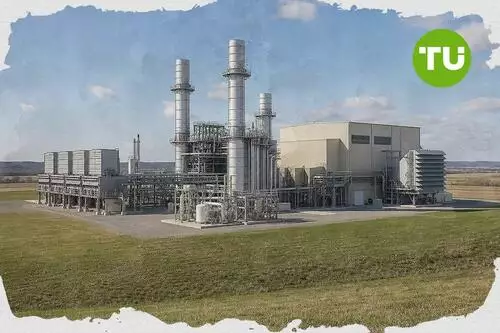
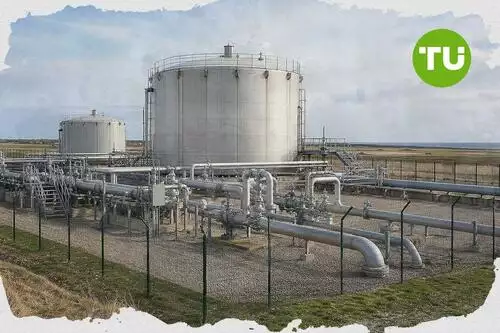
The expansion rests on years of infrastructure investment that turned a negligible export position a decade ago into a large-scale network of liquefaction plants, pipelines and tankers. Two facilities highlighted in the commentary, Golden Pass in Texas and Sabine Pass in Louisiana, are supporting the latest increase in volumes, with Golden Pass posting record pipeline gas deliveries and Sabine Pass recording its strongest flows since April.
Conflict in the Middle East is also tightening global supply. Disruptions affecting shipments from the Persian Gulf, including cargoes from Qatar, are pushing buyers in Europe and Asia to secure alternative LNG volumes, while U.S. Gulf Coast terminals offer direct Atlantic access that avoids the Strait of Hormuz.
Implications for energy infrastructure investors
Higher global prices and delayed expectations for oversupply could extend the earnings runway for U.S. LNG-linked infrastructure companies. The commentary cites Bloomberg as saying Asian natural gas prices have tripled from prewar levels, while European gas futures have nearly tripled as well.The International Energy Agency also says disruptions in the Persian Gulf have pushed back expectations for a global LNG supply glut by at least two years. That may allow American exporters and midstream operators to benefit longer from tighter market conditions and elevated pricing.
A second support factor comes from domestic power demand tied to AI data centers, which require constant electricity supply. Gas-fired generation is positioned as a practical source of round-the-clock power for large-scale computing campuses, adding another layer of demand for U.S. natural gas alongside export growth.
Weiss Ratings points to the Global X MLP & Energy Infrastructure ETF as one way to gain exposure to the trend. The fund holds about 30 companies, including Williams, Kinder Morgan and Cheniere Energy, and recently carried a yield of about 4.3%, giving investors exposure to pipelines, processing assets, storage and LNG export terminals.
As a reminder, we recently covered intensifying competition in U.S. energy exports even as volumes can keep rising.








-
 Afghanistan
-
 Albania
-
 Algeria
-
 Angola
-
 Argentina
-
 Armenia
-
 Australia
-
 Austria
-
 Azerbaijan
-
 Bahamas
-
 Bahrain
-
 Bangladesh
-
 Belarus
-
 Belgium
-
 Bolivia
-
 Botswana
-
 Brazil
-
 Brunei
-
 Bulgaria
-
 Cambodia
-
 Cameroon
-
 Canada
-
 Chile
-
 China
-
 Colombia
-
 Congo
-
 Costa Rica
-
 Cote d'Ivoire
-
 Croatia
-
 Cuba
-
 Cyprus
-
 Czechia
-
 DR Congo
-
 Denmark
-
 Dominican Republic
-
 Ecuador
-
 Egypt
-
 El Salvador
-
 Estonia
-
 Eswatini
-
 Ethiopia
-
 Finland
-
 France
-
 Georgia
-
 Germany
-
 Ghana
-
 Greece
-
 Haiti
-
 Hong Kong
-
 Hungary
-
 India
-
 Indonesia
-
 Iran, Islamic republic
-
 Iraq
-
 Ireland
-
 Israel
-
 Italy
-
 Jamaica
-
 Japan
-
 Jordan
-
 Kazakhstan
-
 Kenya
-
 Korea
-
 Kuwait
-
 Kyrgyzstan
-
 Laos
-
 Latvia
-
 Lebanon
-
 Lesotho
-
 Libya
-
 Lithuania
-
 Luxembourg
-
 Madagascar
-
 Malaysia
-
 Malta
-
 Mauritius
-
 Mexico
-
 Moldova
-
 Mongolia
-
 Montenegro
-
 Morocco
-
 Mozambique
-
 Myanmar
-
 Namibia
-
 Nepal
-
 Netherlands
-
 New Zealand
-
 Nigeria
-
 North Macedonia
-
 Norway
-
 Oman
-
 Pakistan
-
 Palestine
-
 Panama
-
 Papua New Guinea
-
 Paraguay
-
 Peru
-
 Philippines
-
 Poland
-
 Portugal
-
 Puerto Rico
-
 Qatar
-
 Reunion
-
 Romania
-
 Rwanda
-
 Saudi Arabia
-
 Serbia
-
 Singapore
-
 Slovakia
-
 Slovenia
-
 Somalia
-
 South Africa
-
 Spain
-
 Sri Lanka
-
 Sweden
-
 Switzerland
-
 Syria
-
 Taiwan
-
 Tajikistan
-
 Tanzania
-
 Thailand
-
 Trinidad and Tobago
-
 Tunisia
-
 Turkey
-
 UAE
-
 Uganda
-
 Ukraine
-
 United Kingdom
-
United States
-
 Uruguay
-
 Uzbekistan
-
 Venezuela
-
 Vietnam
-
 Yemen
-
 Zambia
-
 Zimbabwe
- Forex
- Crypto












