

Meta releases open-weight Muse Spark model for coding, AI agents

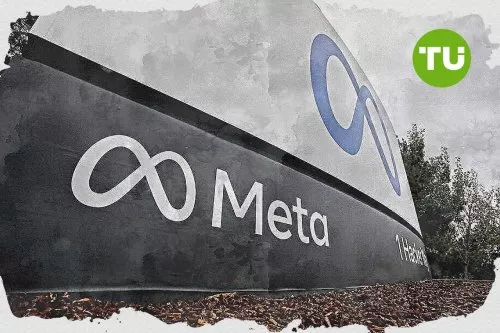
Meta Platforms is broadening its open artificial intelligence offerings with a new version of Muse Spark aimed at coding and agentic applications. The release gives developers more scope to download and adapt the model, as companies weigh lower-cost alternatives to proprietary AI systems.
Highlights
- Meta released the open-weight Muse Spark coding model with 816 billion total parameters, 42 billion active, and a 1 million token context window.
- Muse Spark can run locally on two Apple M5 Ultra Mac Studio computers and is accessible via select API providers, expanding developer deployment options.
- Open-weight models like Muse Spark offer businesses lower-cost, customizable AI solutions but require significant computing resources and technical expertise to operate at scale.
Model scale and deployment options
As reported by Reuters, Meta said the open-weight version of Muse Spark makes the model's trained parameters available for developers to modify rather than keeping them solely under the company's control. Meta said the model has 816 billion total parameters, with 42 billion active at a time, and supports a context window of up to 1 million tokens.The company said Muse Spark can run locally on two Apple M5 Ultra Mac Studio computers and is also available through some API providers. The launch follows Meta's release of the smaller open-weight Muse Glimmer model in August.
Implications for enterprise AI adoption
Open-weight models can provide businesses with a lower-cost alternative to closed systems and give companies greater control over how they use and manage data. That flexibility can appeal to developers and corporate users seeking to adapt models for specific internal tasks.At the same time, operating open-weight systems at scale can demand significant computing resources and technical expertise. CEO Mark Zuckerberg has argued that advanced AI should not be concentrated among a small number of companies, a position that continues to shape Meta's product strategy in the sector.
In our earlier coverage of how AI is raising the cost of standing still for companies, we noted that the technology is shifting the competitive baseline and making “average” performance a riskier position. The piece highlighted that firms may need to rethink investment priorities, workforce skills, and decision-making processes, as AI-driven productivity and automation increasingly separate market leaders from those that fall behind.










-
 Afghanistan
-
 Albania
-
 Algeria
-
 Angola
-
 Argentina
-
 Armenia
-
 Australia
-
 Austria
-
 Azerbaijan
-
 Bahamas
-
 Bahrain
-
 Bangladesh
-
 Belarus
-
 Belgium
-
 Bolivia
-
 Botswana
-
 Brazil
-
 Brunei
-
 Bulgaria
-
 Cambodia
-
 Cameroon
-
 Canada
-
 Chile
-
 China
-
 Colombia
-
 Congo
-
 Costa Rica
-
 Cote d'Ivoire
-
 Croatia
-
 Cuba
-
 Cyprus
-
 Czechia
-
 DR Congo
-
 Denmark
-
 Dominican Republic
-
 Ecuador
-
 Egypt
-
 El Salvador
-
 Estonia
-
 Eswatini
-
 Ethiopia
-
 Finland
-
 France
-
 Georgia
-
 Germany
-
 Ghana
-
 Greece
-
 Haiti
-
 Hong Kong
-
 Hungary
-
 India
-
 Indonesia
-
 Iran, Islamic republic
-
 Iraq
-
 Ireland
-
 Israel
-
 Italy
-
 Jamaica
-
 Japan
-
 Jordan
-
 Kazakhstan
-
 Kenya
-
 Korea
-
 Kuwait
-
 Kyrgyzstan
-
 Laos
-
 Latvia
-
 Lebanon
-
 Lesotho
-
 Libya
-
 Lithuania
-
 Luxembourg
-
 Madagascar
-
 Malaysia
-
 Malta
-
 Mauritius
-
 Mexico
-
 Moldova
-
 Mongolia
-
 Montenegro
-
 Morocco
-
 Mozambique
-
 Myanmar
-
 Namibia
-
 Nepal
-
 Netherlands
-
 New Zealand
-
 Nigeria
-
 North Macedonia
-
 Norway
-
 Oman
-
 Pakistan
-
 Palestine
-
 Panama
-
 Papua New Guinea
-
 Paraguay
-
 Peru
-
 Philippines
-
 Poland
-
 Portugal
-
 Puerto Rico
-
 Qatar
-
 Reunion
-
 Romania
-
 Rwanda
-
 Saudi Arabia
-
 Serbia
-
 Singapore
-
 Slovakia
-
 Slovenia
-
 Somalia
-
 South Africa
-
 Spain
-
 Sri Lanka
-
 Sweden
-
 Switzerland
-
 Syria
-
 Taiwan
-
 Tajikistan
-
 Tanzania
-
 Thailand
-
 Trinidad and Tobago
-
 Tunisia
-
 Turkey
-
 UAE
-
 Uganda
-
 Ukraine
-
 United Kingdom
-
United States
-
 Uruguay
-
 Uzbekistan
-
 Venezuela
-
 Vietnam
-
 Yemen
-
 Zambia
-
 Zimbabwe
- Forex
- Crypto












