

BP profits surge on fuel prices windfall as debt reduction accelerates

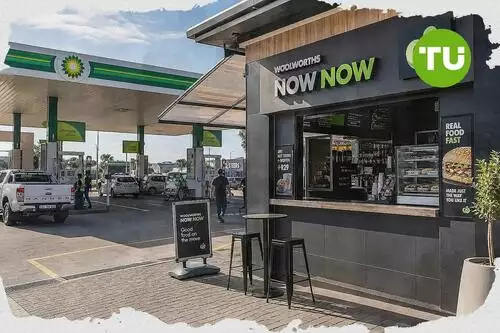
Higher fuel prices linked to Middle East market disruption are lifting earnings across the European oil sector, and BP is using the stronger cash flow to repair its balance sheet. The UK energy group says quarterly adjusted profit reaches $8.5 billion, beating analyst forecasts and bringing its net debt down faster than previously planned.
Highlights
- BP's adjusted profit surged to $8.5 billion in the latest quarter, almost quadrupling year on year and beating analysts' $7.3 billion forecast on higher fuel prices.
- Net debt dropped to $13.9 billion, exceeding cost-reduction targets, with BP cutting debt by over $10 billion—more than 45%—since April.
- BP met its net debt target ahead of schedule, will unveil a new strategy in December, and continues suspending share buybacks despite strong sector profits and competitor payouts.
Quarterly earnings and balance sheet shift
As reported by Financial Times, BP says adjusted profit nearly quadruples year on year to $8.5 billion in the latest quarter, ahead of analysts' forecast of $7.3 billion, as higher fuel prices deliver a windfall for the UK oil and gas major.The company says net debt falls to $13.9 billion and that it has met its cost-reduction targets. BP adds that it is now turning its attention to paying down remaining liabilities tied to the Deepwater Horizon disaster.
Chief executive Meg O'Neill says BP remains more leveraged than its peers and needs to stay competitive in all environments, especially with the prospect that oil prices eventually decline. Since she took the top role in April, the company has cut debt by more than $10 billion, or over 45%.
Strategy reset and sector implications
BP has been reshaping its business while prioritising debt reduction, reorganising operations into two divisions, one focused on oil and gas production and the other on refining and sales. It has also put its UK North Sea oil and gas fields and its $4 billion U.S. biogas business up for sale.The company had previously targeted net debt of between $14 billion and $18 billion by the end of next year, after reporting $25.3 billion at the end of the first quarter. Having reached that range early, BP says it will present a new strategy in December.
BP's results follow strong earnings from European rivals Shell, TotalEnergies, Eni and Repsol, many of which have increased shareholder payouts as the sector records its strongest profits since the 2022 energy crisis after Russia's full-scale invasion of Ukraine. BP, by contrast, suspended its share buyback programme in February, before the Iran war began, as it sought to strengthen its balance sheet.
In our earlier article on the S&P 500’s push toward 8,000, we noted that the next leg higher depends on whether third-quarter earnings can clear a higher bar amid headwinds such as rising oil prices and elevated Treasury yields. We also highlighted growing concentration risk—market gains led by a narrow group of megacaps—and signs of weakening breadth that make equities more sensitive to any earnings disappointment.








-
 Afghanistan
-
 Albania
-
 Algeria
-
 Angola
-
 Argentina
-
 Armenia
-
 Australia
-
 Austria
-
 Azerbaijan
-
 Bahamas
-
 Bahrain
-
 Bangladesh
-
 Belarus
-
 Belgium
-
 Bolivia
-
 Botswana
-
 Brazil
-
 Brunei
-
 Bulgaria
-
 Cambodia
-
 Cameroon
-
 Canada
-
 Chile
-
 China
-
 Colombia
-
 Congo
-
 Costa Rica
-
 Cote d'Ivoire
-
 Croatia
-
 Cuba
-
 Cyprus
-
 Czechia
-
 DR Congo
-
 Denmark
-
 Dominican Republic
-
 Ecuador
-
 Egypt
-
 El Salvador
-
 Estonia
-
 Eswatini
-
 Ethiopia
-
 Finland
-
 France
-
 Georgia
-
 Germany
-
 Ghana
-
 Greece
-
 Haiti
-
 Hong Kong
-
 Hungary
-
 India
-
 Indonesia
-
 Iran, Islamic republic
-
 Iraq
-
 Ireland
-
 Israel
-
 Italy
-
 Jamaica
-
 Japan
-
 Jordan
-
 Kazakhstan
-
 Kenya
-
 Korea
-
 Kuwait
-
 Kyrgyzstan
-
 Laos
-
 Latvia
-
 Lebanon
-
 Lesotho
-
 Libya
-
 Lithuania
-
 Luxembourg
-
 Madagascar
-
 Malaysia
-
 Malta
-
 Mauritius
-
 Mexico
-
 Moldova
-
 Mongolia
-
 Montenegro
-
 Morocco
-
 Mozambique
-
 Myanmar
-
 Namibia
-
 Nepal
-
 Netherlands
-
 New Zealand
-
 Nigeria
-
 North Macedonia
-
 Norway
-
 Oman
-
 Pakistan
-
 Palestine
-
 Panama
-
 Papua New Guinea
-
 Paraguay
-
 Peru
-
 Philippines
-
 Poland
-
 Portugal
-
 Puerto Rico
-
 Qatar
-
 Reunion
-
 Romania
-
 Rwanda
-
 Saudi Arabia
-
 Serbia
-
 Singapore
-
 Slovakia
-
 Slovenia
-
 Somalia
-
 South Africa
-
 Spain
-
 Sri Lanka
-
 Sweden
-
 Switzerland
-
 Syria
-
 Taiwan
-
 Tajikistan
-
 Tanzania
-
 Thailand
-
 Trinidad and Tobago
-
 Tunisia
-
 Turkey
-
 UAE
-
 Uganda
-
 Ukraine
-
 United Kingdom
-
United States
-
 Uruguay
-
 Uzbekistan
-
 Venezuela
-
 Vietnam
-
 Yemen
-
 Zambia
-
 Zimbabwe
- Forex
- Crypto












