

AI datacentre developers plan large-scale on-site gas power in U.S. and Europe

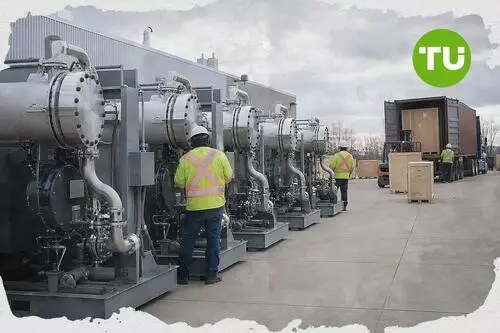
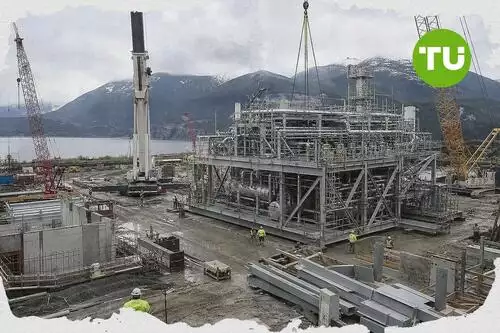
Grid connection delays are pushing AI datacentre developers toward building their own gas-fired power capacity on site across the U.S., UK and mainland Europe. Research indicates the proposed projects total 181GW, underscoring how power bottlenecks are shaping investment decisions and raising the risk of long-term emissions lock-in.
Highlights
- Planned datacentres in the U.S., UK, and Europe propose 181GW of on-site gas-fired capacity, with 90% located in the U.S., to accelerate electricity access.
- BloombergNEF projects U.S. rollout would emit 345 million metric tonnes of CO2 equivalent annually, amid predictions AI datacentres' electricity demand will quadruple to 2,354 TWh by 2035.
- UK policy allows temporary on-site fossil fuel stations for datacentres, with over 100 gas connection inquiries in 2024-25, raising concerns of prolonged emissions if grid connection delays persist.
Power access pressures drive gas buildout
As reported by The Guardian, citing BloombergNEF, planned datacentres across the U.S., UK and mainland Europe are proposing on-site fossil fuel plants that would create 181GW of gas-fired capacity as developers prioritize faster access to electricity. The report says about 90% of that planned on-site gas capacity is in the U.S., and estimates the rollout would emit roughly 345 million metric tonnes of carbon dioxide equivalent a year there if it goes ahead.BloombergNEF says the economics of AI are making "speed to power" a defining constraint for datacentre developers. Mark Daly, head of datacentres and emerging tech at BloombergNEF, says the climate outcome depends not only on how much electricity these facilities use, but also on how quickly grids connect them and whether cleaner generation is added alongside new demand.
The research comes as global leaders gather in Turkey for the 31st UN climate summit, where electrification from cleaner sources is central to discussions. By 2035, the electricity demand of AI datacentres is predicted to almost quadruple to 2,354 terawatt-hours, equivalent to 7% of global electricity demand.
UK policy and emissions risks come into focus
Campaigners say the on-site gas plants are unlikely to remain temporary and could keep emissions elevated for years after grid connections become available. BloombergNEF says developers describe the gas supplies as a stopgap measure, but warns that once the assets are operating, commercial incentives may encourage continued generation and deepen fossil fuel lock-in.In the UK, Future Energy Networks says planned datacentres made more than 100 inquiries in 2024-25 to connect to gas because of delays in securing access to the electricity grid. Projects including Wapseys Wood in Buckinghamshire and Quest Park in Bedfordshire are seeking their own on-site gas-fired stations and are among the first datacentres being fast-tracked through the government's nationally significant infrastructure project regime.
The issue may spread further across the UK market after the government allowed datacentres to build and run temporary on-site fossil fuel power stations while they wait for grid connections under a so-called datacentre covenant. The report says faster grid connections remain the more sustainable route for limiting emissions and reducing the risk that temporary gas generation becomes a permanent part of datacentre operations.
Previously, we highlighted AI datacenter financing risks as rising costs, construction delays, and power limits test U.S. developers’ plans.






Latest Natural Gas News


-
 Afghanistan
-
 Albania
-
 Algeria
-
 Angola
-
 Argentina
-
 Armenia
-
 Australia
-
 Austria
-
 Azerbaijan
-
 Bahamas
-
 Bahrain
-
 Bangladesh
-
 Belarus
-
 Belgium
-
 Bolivia
-
 Botswana
-
 Brazil
-
 Brunei
-
 Bulgaria
-
 Cambodia
-
 Cameroon
-
 Canada
-
 Chile
-
 China
-
 Colombia
-
 Congo
-
 Costa Rica
-
 Cote d'Ivoire
-
 Croatia
-
 Cuba
-
 Cyprus
-
 Czechia
-
 DR Congo
-
 Denmark
-
 Dominican Republic
-
 Ecuador
-
 Egypt
-
 El Salvador
-
 Estonia
-
 Eswatini
-
 Ethiopia
-
 Finland
-
 France
-
 Georgia
-
 Germany
-
 Ghana
-
 Greece
-
 Haiti
-
 Hong Kong
-
 Hungary
-
 India
-
 Indonesia
-
 Iran, Islamic republic
-
 Iraq
-
 Ireland
-
 Israel
-
 Italy
-
 Jamaica
-
 Japan
-
 Jordan
-
 Kazakhstan
-
 Kenya
-
 Korea
-
 Kuwait
-
 Kyrgyzstan
-
 Laos
-
 Latvia
-
 Lebanon
-
 Lesotho
-
 Libya
-
 Lithuania
-
 Luxembourg
-
 Madagascar
-
 Malaysia
-
 Malta
-
 Mauritius
-
 Mexico
-
 Moldova
-
 Mongolia
-
 Montenegro
-
 Morocco
-
 Mozambique
-
 Myanmar
-
 Namibia
-
 Nepal
-
 Netherlands
-
 New Zealand
-
 Nigeria
-
 North Macedonia
-
 Norway
-
 Oman
-
 Pakistan
-
 Palestine
-
 Panama
-
 Papua New Guinea
-
 Paraguay
-
 Peru
-
 Philippines
-
 Poland
-
 Portugal
-
 Puerto Rico
-
 Qatar
-
 Reunion
-
 Romania
-
 Rwanda
-
 Saudi Arabia
-
 Serbia
-
 Singapore
-
 Slovakia
-
 Slovenia
-
 Somalia
-
 South Africa
-
 Spain
-
 Sri Lanka
-
 Sweden
-
 Switzerland
-
 Syria
-
 Taiwan
-
 Tajikistan
-
 Tanzania
-
 Thailand
-
 Trinidad and Tobago
-
 Tunisia
-
 Turkey
-
 UAE
-
 Uganda
-
 Ukraine
-
 United Kingdom
-
United States
-
 Uruguay
-
 Uzbekistan
-
 Venezuela
-
 Vietnam
-
 Yemen
-
 Zambia
-
 Zimbabwe
- Forex
- Crypto












