


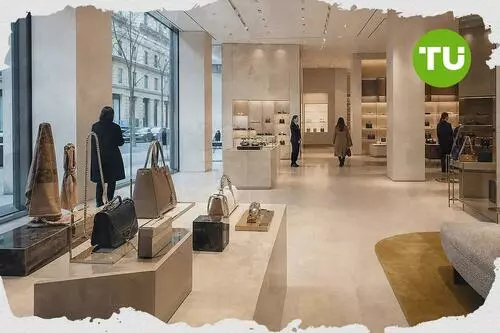
Luxury brands are deepening their push into more U.S. cities as weaker demand in China and a broader sector downturn force them to seek new growth pools. The strategy is supporting sales at some groups, with Hermès reporting the Americas as its fastest-growing region in the first half of 2026.
Highlights
- LVMH, Hermès, Kering, and Richemont expanded retail into U.S. cities like Austin and Scottsdale to tap new wealthy consumers amid global luxury softness.
- Hermès reported Americas revenue up 15.3% in H1 2026; LVMH expects the U.S. to become the biggest single market if Wall Street-fueled demand persists.
- Kering's comparable sales fell 22% in 2023 and 11% in 2024, while U.S. luxury demand faces headwinds from tariffs and a 104% Chanel handbag price increase since 2019.
Store rollout targets new U.S. wealth hubs
As reported by Financial Times, European luxury groups including LVMH, Hermès, Kering and Richemont are extending their retail networks beyond traditional high-end districts such as Fifth Avenue and Rodeo Drive into cities including Austin, Scottsdale, Princeton and Nashville. The shift comes as companies try to capture spending from affluent U.S. consumers, helped by Wall Street gains linked to the AI boom.Hermès said revenue in the Americas rose 15.3% at constant exchange rates in the first half of 2026, its strongest regional performance. LVMH said in October that its U.S. sales continue to grow in the third quarter, even as demand for luxury goods globally remains under pressure.
The global backdrop remains weak. Bain says the number of luxury shoppers worldwide fell from about 400 million in 2022 to 330 million in 2025, returning to 2013 levels, while LVMH says sales in Asia excluding Japan fell 5% in the third quarter after a 4% rise in the previous quarter.
Benefits tempered by pricing and market risks
Analysts say the U.S. market still offers room for expansion, particularly because luxury penetration has lagged Europe and China on a per capita basis. Deutsche Bank analyst Adam Cochrane says the relative outperformance of the U.S. versus the broader luxury market is expected to continue for the next three to five years if the wealth effect from stock market gains persists, and he expects the country to probably become the biggest single luxury market for LVMH and Richemont.Bernstein analyst Luca Solca says brands need both flagship stores in core cities and additional locations near wealthy communities. Groups are also increasing spending on client events, including LVMH's Formula 1 sponsorship, which gives Louis Vuitton and Tag Heuer access to U.S. Grand Prix guests in Austin.
Still, stronger U.S. exposure does not guarantee success. Kering's comparable sales fell 22% in 2023 and 11% in 2024, and the group agreed last December to sell its stake in a $1 billion Fifth Avenue property little more than a year after investing.
Pricing is also weighing on demand, especially in handbags after steep post-pandemic increases. Chanel's classic flap handbag price in the U.S. rose 104% between 2019 and 2024, compared with 22% inflation over the same period, according to BackRow calculations cited in the article, while jewellery has held up better in relative terms.
U.S. tariffs are also influencing investment decisions. Louis Vuitton has produced leather goods in Alvarado, Texas, since 2019 and says a second workshop will open by 2027, underscoring how luxury groups are tying retail expansion to a broader operational shift in the U.S.
The latest update follows our earlier article on the S&P 500 rally being tested by earnings expectations and elevated Treasury yields.










-
 Afghanistan
-
 Albania
-
 Algeria
-
 Angola
-
 Argentina
-
 Armenia
-
 Australia
-
 Austria
-
 Azerbaijan
-
 Bahamas
-
 Bahrain
-
 Bangladesh
-
 Belarus
-
 Belgium
-
 Bolivia
-
 Botswana
-
 Brazil
-
 Brunei
-
 Bulgaria
-
 Cambodia
-
 Cameroon
-
 Canada
-
 Chile
-
 China
-
 Colombia
-
 Congo
-
 Costa Rica
-
 Cote d'Ivoire
-
 Croatia
-
 Cuba
-
 Cyprus
-
 Czechia
-
 DR Congo
-
 Denmark
-
 Dominican Republic
-
 Ecuador
-
 Egypt
-
 El Salvador
-
 Estonia
-
 Eswatini
-
 Ethiopia
-
 Finland
-
 France
-
 Georgia
-
 Germany
-
 Ghana
-
 Greece
-
 Haiti
-
 Hong Kong
-
 Hungary
-
 India
-
 Indonesia
-
 Iran, Islamic republic
-
 Iraq
-
 Ireland
-
 Israel
-
 Italy
-
 Jamaica
-
 Japan
-
 Jordan
-
 Kazakhstan
-
 Kenya
-
 Korea
-
 Kuwait
-
 Kyrgyzstan
-
 Laos
-
 Latvia
-
 Lebanon
-
 Lesotho
-
 Libya
-
 Lithuania
-
 Luxembourg
-
 Madagascar
-
 Malaysia
-
 Malta
-
 Mauritius
-
 Mexico
-
 Moldova
-
 Mongolia
-
 Montenegro
-
 Morocco
-
 Mozambique
-
 Myanmar
-
 Namibia
-
 Nepal
-
 Netherlands
-
 New Zealand
-
 Nigeria
-
 North Macedonia
-
 Norway
-
 Oman
-
 Pakistan
-
 Palestine
-
 Panama
-
 Papua New Guinea
-
 Paraguay
-
 Peru
-
 Philippines
-
 Poland
-
 Portugal
-
 Puerto Rico
-
 Qatar
-
 Reunion
-
 Romania
-
 Rwanda
-
 Saudi Arabia
-
 Serbia
-
 Singapore
-
 Slovakia
-
 Slovenia
-
 Somalia
-
 South Africa
-
 Spain
-
 Sri Lanka
-
 Sweden
-
 Switzerland
-
 Syria
-
 Taiwan
-
 Tajikistan
-
 Tanzania
-
 Thailand
-
 Trinidad and Tobago
-
 Tunisia
-
 Turkey
-
 UAE
-
 Uganda
-
 Ukraine
-
 United Kingdom
-
United States
-
 Uruguay
-
 Uzbekistan
-
 Venezuela
-
 Vietnam
-
 Yemen
-
 Zambia
-
 Zimbabwe
- Forex
- Crypto












