

Russian grain sector expands bag storage as Black Sea trade disruptions swell stocks

Russian farmers are increasing their use of giant plastic vacuum bags to store grain as export bottlenecks leave traditional storage capacity under strain. The shift reflects a sharp buildup in domestic stocks after Black Sea attacks cut export flows, forcing producers to seek cheaper short-term alternatives to new grain elevators.
Highlights
- Russian farmers may store up to one-third of grain exports, or 20 million tons, in plastic vacuum bags this year amid Black Sea export bottlenecks.
- The use of grain storage bags by companies like Aeon Agro grew eightfold since 2023 to 180,000 tons, driven by high interest rates curbing investment in long-term elevators.
- Only 40% of Russia's 160 million ton storage capacity meets modern standards, prompting wider adoption of plastic bag storage directly at production sites for 10 million tons.
Storage shift accelerates as export route remains constrained
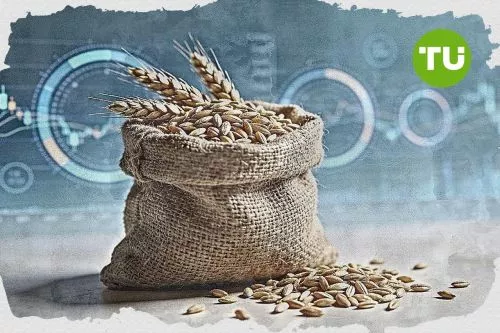
As reported by BusinessWorld, citing Reuters, Russian farmers could store up to one-third of the country’s grain exports this year in giant plastic vacuum bags, a technology first developed in Argentina in the 1990s and already used in the U.S. and other markets.Consultancy IKAR estimates that excess unexported grain in Russia could reach as much as 20 million tons this year, with those volumes needing storage until an internationally mediated agreement halts attacks and allows exports to resume. IKAR General Director Dmitry Rylko said use of the so-called Argentinian silo bags has increased substantially and that the bags can hold up to 20 million tons of Russian crops.
Dmitry Garnov, deputy CEO of Aeon Agro, said the company’s use of plastic bags for grain storage has risen eightfold since 2023 to 180,000 tons, more than half of its total production. He said the southern regions are now likely to adopt the technology more widely because they have few other options for storing surplus grain this year.
Cost pressures and infrastructure gaps reshape storage choices
High interest rates are limiting farmers’ ability to invest in long-term storage such as grain elevators, making plastic bags the most affordable option despite higher operational risks. Those risks include damage from folds or creases that can let in mice, as well as the need for special cannons similar to those used at airports to keep birds away.Alla Novikova of the Russian agricultural watchdog’s research center said storage conditions differ by farm and region, requiring constant monitoring of bag conditions to minimize losses. She added that studies suggest losses in plastic bags and grain elevators are comparable if the bags are properly maintained, although grain can be stored in bags for a shorter period.
Russia has total grain storage capacity of about 160 million tons, but experts estimate only 40% meets modern standards, while the rest is suited only for short-term storage with elevated loss risks. Capacity is also unevenly distributed across the country, reducing its usefulness when facilities are far from fields, whereas plastic bags can be deployed directly at production sites.
Three Russian companies launched production of the large grain bags between 2020 and 2025, and each bag can hold up to 200 tons. Petrochemical company Sibur, which supplies polyethylene to bag manufacturers, said grain can remain stored in the bags for up to 18 months, while the Russian Grain Association estimates that 10 million tons, about 7% of the annual harvest, is already being stored this way.
Previously, we outlined the main factors behind Fermi's Amazon computing deal for its Amarillo, Texas data centre project.








-
 Afghanistan
-
 Albania
-
 Algeria
-
 Angola
-
 Argentina
-
 Armenia
-
 Australia
-
 Austria
-
 Azerbaijan
-
 Bahamas
-
 Bahrain
-
 Bangladesh
-
 Belarus
-
 Belgium
-
 Bolivia
-
 Botswana
-
 Brazil
-
 Brunei
-
 Bulgaria
-
 Cambodia
-
 Cameroon
-
 Canada
-
 Chile
-
 China
-
 Colombia
-
 Congo
-
 Costa Rica
-
 Cote d'Ivoire
-
 Croatia
-
 Cuba
-
 Cyprus
-
 Czechia
-
 DR Congo
-
 Denmark
-
 Dominican Republic
-
 Ecuador
-
 Egypt
-
 El Salvador
-
 Estonia
-
 Eswatini
-
 Ethiopia
-
 Finland
-
 France
-
 Georgia
-
 Germany
-
 Ghana
-
 Greece
-
 Haiti
-
 Hong Kong
-
 Hungary
-
 India
-
 Indonesia
-
 Iran, Islamic republic
-
 Iraq
-
 Ireland
-
 Israel
-
 Italy
-
 Jamaica
-
 Japan
-
 Jordan
-
 Kazakhstan
-
 Kenya
-
 Korea
-
 Kuwait
-
 Kyrgyzstan
-
 Laos
-
 Latvia
-
 Lebanon
-
 Lesotho
-
 Libya
-
 Lithuania
-
 Luxembourg
-
 Madagascar
-
 Malaysia
-
 Malta
-
 Mauritius
-
 Mexico
-
 Moldova
-
 Mongolia
-
 Montenegro
-
 Morocco
-
 Mozambique
-
 Myanmar
-
 Namibia
-
 Nepal
-
 Netherlands
-
 New Zealand
-
 Nigeria
-
 North Macedonia
-
 Norway
-
 Oman
-
 Pakistan
-
 Palestine
-
 Panama
-
 Papua New Guinea
-
 Paraguay
-
 Peru
-
 Philippines
-
 Poland
-
 Portugal
-
 Puerto Rico
-
 Qatar
-
 Reunion
-
 Romania
-
 Rwanda
-
 Saudi Arabia
-
 Serbia
-
 Singapore
-
 Slovakia
-
 Slovenia
-
 Somalia
-
 South Africa
-
 Spain
-
 Sri Lanka
-
 Sweden
-
 Switzerland
-
 Syria
-
 Taiwan
-
 Tajikistan
-
 Tanzania
-
 Thailand
-
 Trinidad and Tobago
-
 Tunisia
-
 Turkey
-
 UAE
-
 Uganda
-
 Ukraine
-
 United Kingdom
-
United States
-
 Uruguay
-
 Uzbekistan
-
 Venezuela
-
 Vietnam
-
 Yemen
-
 Zambia
-
 Zimbabwe
- Forex
- Crypto












