

Dutch lawmakers push back against U.S. MATCH bill risk for ASML China business

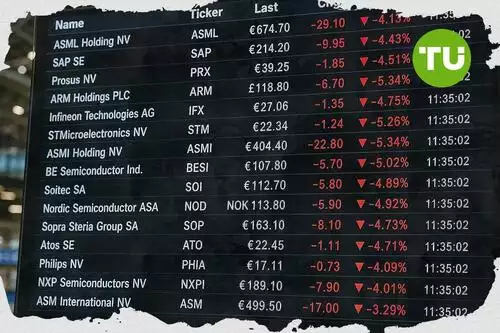
Pressure is building in the Netherlands as U.S. lawmakers consider new export control legislation that could further constrain ASML's sales to China. The debate has widened beyond trade policy because China is expected to account for about 20% of the chip equipment maker's sales this year, raising concerns for the wider Dutch economy.
Highlights
- Several Dutch lawmakers publicly urged resistance to the U.S. MATCH Act, warning it would harm ASML and the Dutch economy.
- ASML expects China to account for about 20% of its 2024 sales and warns that the MATCH Act could spur Chinese technology development.
- The Dutch government, previously aligned with U.S. controls, lobbied against the MATCH Act in June and is preparing further diplomatic engagement this week.
Dutch opposition to proposed U.S. controls
As reported by Reuters, Dutch lawmakers on Tuesday urge the government to resist the proposed Multilateral Alignment of Technology Controls on Hardware, or MATCH, Act, which U.S. Congress is negotiating as a possible addition to the annual National Defense Authorization Act before the outgoing Congress finishes its work.Nicole Maes of the conservative VVD party says during a trade policy debate that the MATCH Act is disastrous for ASML and, by extension, for the Dutch economy. Laurens Dassen of the progressive Volt party calls for European measures to shield ASML, while JA21 lawmaker Michiel Hoogeveen describes the proposal as unacceptable and urges a diplomatic effort to prevent its passage in December.
The bill seeks to curb China's advanced chip production by pressing allies including the Netherlands and Japan to adopt tougher export controls, or face Washington imposing unilateral restrictions on their equipment, including ASML's immersion deep ultraviolet lithography tools.
Economic stakes for ASML and the Netherlands
ASML, Europe's most valuable listed company, makes equipment needed to manufacture semiconductors and expects China to represent about 20% of its sales this year. The company has said the MATCH Act is a bad idea that could accelerate China's efforts to develop rival technology.The Dutch government has already aligned with earlier U.S.-led restrictions on ASML's more advanced equipment, but it lobbied against the MATCH Act in Washington in June, arguing that export controls should remain a matter of Dutch national sovereignty. Foreign Minister Tom Berendsen is expected to discuss the proposed measure during a visit to China this week.
The dispute highlights the Netherlands' balancing act between protecting a strategic national company and maintaining close economic and security ties with the U.S.
We have also analyzed how U.S. chip controls shape Nvidia’s ability to sell advanced AI chips into China.






Latest ASML News




-
 Afghanistan
-
 Albania
-
 Algeria
-
 Angola
-
 Argentina
-
 Armenia
-
 Australia
-
 Austria
-
 Azerbaijan
-
 Bahamas
-
 Bahrain
-
 Bangladesh
-
 Belarus
-
 Belgium
-
 Bolivia
-
 Botswana
-
 Brazil
-
 Brunei
-
 Bulgaria
-
 Cambodia
-
 Cameroon
-
 Canada
-
 Chile
-
 China
-
 Colombia
-
 Congo
-
 Costa Rica
-
 Cote d'Ivoire
-
 Croatia
-
 Cuba
-
 Cyprus
-
 Czechia
-
 DR Congo
-
 Denmark
-
 Dominican Republic
-
 Ecuador
-
 Egypt
-
 El Salvador
-
 Estonia
-
 Eswatini
-
 Ethiopia
-
 Finland
-
 France
-
 Georgia
-
 Germany
-
 Ghana
-
 Greece
-
 Haiti
-
 Hong Kong
-
 Hungary
-
 India
-
 Indonesia
-
 Iran, Islamic republic
-
 Iraq
-
 Ireland
-
 Israel
-
 Italy
-
 Jamaica
-
 Japan
-
 Jordan
-
 Kazakhstan
-
 Kenya
-
 Korea
-
 Kuwait
-
 Kyrgyzstan
-
 Laos
-
 Latvia
-
 Lebanon
-
 Lesotho
-
 Libya
-
 Lithuania
-
 Luxembourg
-
 Madagascar
-
 Malaysia
-
 Malta
-
 Mauritius
-
 Mexico
-
 Moldova
-
 Mongolia
-
 Montenegro
-
 Morocco
-
 Mozambique
-
 Myanmar
-
 Namibia
-
 Nepal
-
 Netherlands
-
 New Zealand
-
 Nigeria
-
 North Macedonia
-
 Norway
-
 Oman
-
 Pakistan
-
 Palestine
-
 Panama
-
 Papua New Guinea
-
 Paraguay
-
 Peru
-
 Philippines
-
 Poland
-
 Portugal
-
 Puerto Rico
-
 Qatar
-
 Reunion
-
 Romania
-
 Rwanda
-
 Saudi Arabia
-
 Serbia
-
 Singapore
-
 Slovakia
-
 Slovenia
-
 Somalia
-
 South Africa
-
 Spain
-
 Sri Lanka
-
 Sweden
-
 Switzerland
-
 Syria
-
 Taiwan
-
 Tajikistan
-
 Tanzania
-
 Thailand
-
 Trinidad and Tobago
-
 Tunisia
-
 Turkey
-
 UAE
-
 Uganda
-
 Ukraine
-
 United Kingdom
-
United States
-
 Uruguay
-
 Uzbekistan
-
 Venezuela
-
 Vietnam
-
 Yemen
-
 Zambia
-
 Zimbabwe
- Forex
- Crypto












