

Polymarket users threaten journalist over Israel strike prediction bet
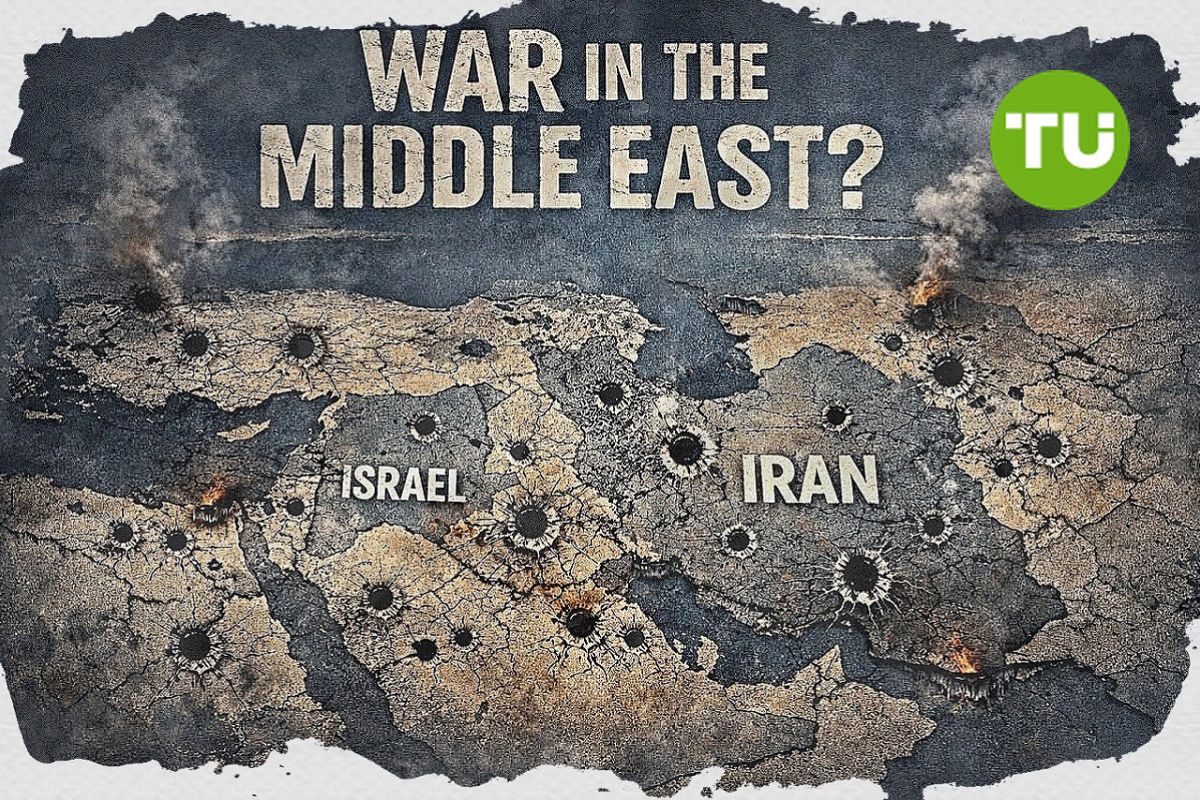
Participants in prediction markets are increasingly trying to influence real-world events in order to secure large payouts. Recognizing the risks of this trend, lawmakers are now considering banning bets related to war, deaths, and assassinations.
Highlights
- Prediction market users allegedly threatened a journalist to influence a $14M bet.
- U.S. lawmakers propose banning markets linked to wars, deaths, and killings.
- Experts warn large prediction markets may incentivize manipulation of information.
Betting on military events is growing
The latest example was reported Monday by the newspaper The Times of Israel, which published an article by military correspondent Emanuel Fabian, who said he began receiving threats from users of Polymarket over his reporting.
The controversy followed Fabian’s report about an Iranian missile that struck an open area near the Israeli city of Beit Shemesh on March 10.
According to Fabian, several individuals appeared to be attempting to influence the outcome of a Polymarket contract titled “Iran strikes Israel…?” which had attracted more than $14 million in bets as of March 10.
Under the market’s rules, the contract would resolve “yes” if Iran carried out a missile, drone, or aircraft strike on Israeli territory that day. However, a separate clause specified that intercepted projectiles would not count toward the contract’s outcome.
Fabian said he received dozens of messages via email, social media, and messaging apps. Some users urged him to revise his report by claiming that the missile had been intercepted. In one threat sent via WhatsApp, the sender warned that they would “kill” him if the article was not changed.
The journalist said his report was based on statements from Israeli emergency services and military sources. He later filed a police complaint and provided investigators with the threatening messages.
Event-based trading platforms such as Polymarket and Kalshi have expanded rapidly over the past year, with billions of dollars now flowing into contracts tied to elections, political decisions, and geopolitical developments. Some of these markets are far from harmless.
Earlier this month, Polymarket removed a market allowing users to bet on whether a nuclear weapon would be detonated this year after facing criticism online. Kalshi also shut down a contract predicting the possible removal of Iran’s supreme leader Ali Khamenei following speculation about his assassination in late February, citing its platform policies.
The market needs clear boundaries
Critics warn that markets linked to wars, deaths, or political actions may create incentives for manipulation or insider trading. As a result, lawmakers in Washington have begun taking steps to restrict such contracts.
Senator Adam Schiff and Representative Mike Levin introduced a bill this month called the “Death Betting Prohibition Act,” which would ban prediction market contracts tied to war, murder, or human fatalities.
“Betting on war and death should be illegal,” Levin said while announcing the proposal.
Separately, Senator Chris Murphy proposed banning contracts tied to government actions such as military strikes after analytics firm Bubblemaps identified several wallets that collectively earned about $1 million by betting that the United States would launch attacks on Iran shortly before the strikes occurred.
Experts in prediction markets say such incidents raise broader questions about where the line lies between collective forecasting tools and mechanisms that create financial pressure on the information ecosystem.
When large sums of money depend on specific wording in news reports or official statements, market participants may be tempted to influence information sources — journalists, analysts, or even government institutions. As a result, news reporting, which should reflect objective facts, risks becoming entangled in the financial interests of speculators.
At the same time, the rapid growth of prediction markets is intensifying the debate over whether these platforms should face regulatory oversight similar to traditional financial exchanges or betting operators.
If the volume of wagers on geopolitical events continues to rise, regulators may introduce stricter listing rules for contracts, including restrictions on markets related to violence, warfare, or human casualties. Such changes could significantly reshape the business models of prediction platforms and reduce the number of political and geopolitical markets available for trading.
As we wrote, Polymarket shuts down nuclear detonation prediction market after backlash


Latest Polygon News




-
 Afghanistan
-
 Albania
-
 Algeria
-
 Angola
-
 Argentina
-
 Armenia
-
 Australia
-
 Austria
-
 Azerbaijan
-
 Bahamas
-
 Bahrain
-
 Bangladesh
-
 Belarus
-
 Belgium
-
 Bolivia
-
 Botswana
-
 Brazil
-
 Brunei
-
 Bulgaria
-
 Cambodia
-
 Cameroon
-
 Canada
-
 Chile
Chile
-
 China
China
-
 Colombia
-
 Congo
Congo
-
 Costa Rica
-
 Cote d'Ivoire
-
 Croatia
-
 Cuba
Cuba
-
 Cyprus
-
 Czechia
-
 DR Congo
-
 Denmark
-
 Dominican Republic
-
 Ecuador
-
 Egypt
Egypt
-
 El Salvador
-
 Estonia
-
 Eswatini
-
 Ethiopia
-
 Finland
-
 France
-
 Georgia
-
 Germany
-
 Ghana
Ghana
-
 Greece
-
 Haiti
Haiti
-
 Hong Kong
-
 Hungary
-
 India
India
-
 Indonesia
-
 Iran, Islamic republic
-
 Iraq
Iraq
-
 Ireland
-
 Israel
-
 Italy
Italy
-
 Jamaica
-
 Japan
Japan
-
 Jordan
-
 Kazakhstan
-
 Kenya
Kenya
-
 Korea
Korea
-
 Kuwait
-
 Kyrgyzstan
-
 Laos
Laos
-
 Latvia
-
 Lebanon
-
 Lesotho
-
 Libya
Libya
-
 Lithuania
-
 Luxembourg
-
 Madagascar
-
 Malaysia
-
 Malta
Malta
-
 Mauritius
-
 Mexico
-
 Moldova
-
 Mongolia
-
 Montenegro
-
 Morocco
-
 Mozambique
-
 Myanmar
-
 Namibia
-
 Nepal
Nepal
-
 Netherlands
-
 New Zealand
-
 Nigeria
-
 North Macedonia
-
 Norway
-
 Oman
Oman
-
 Pakistan
-
 Palestine
-
 Panama
-
 Papua New Guinea
-
 Paraguay
-
 Peru
Peru
-
 Philippines
-
 Poland
-
 Portugal
-
 Puerto Rico
-
 Qatar
Qatar
-
 Reunion
-
 Romania
-
 Rwanda
-
 Saudi Arabia
-
 Serbia
-
 Singapore
-
 Slovakia
-
 Slovenia
-
 Somalia
-
 South Africa
-
 Spain
Spain
-
 Sri Lanka
-
 Sweden
-
 Switzerland
-
 Syria
Syria
-
 Taiwan
-
 Tajikistan
-
 Tanzania
-
 Thailand
-
 Trinidad and Tobago
-
 Tunisia
-
 Turkey
-
 UAE
UAE
-
 Uganda
-
 Ukraine
-
 United Kingdom
-
United States
-
 Uruguay
-
 Uzbekistan
-
 Venezuela
-
 Vietnam
-
 Yemen
Yemen
-
 Zambia
-
 Zimbabwe
- Forex
- Crypto












