

Galaxy Digital sees seven Senate Democrats as key to advancing CLARITY Act
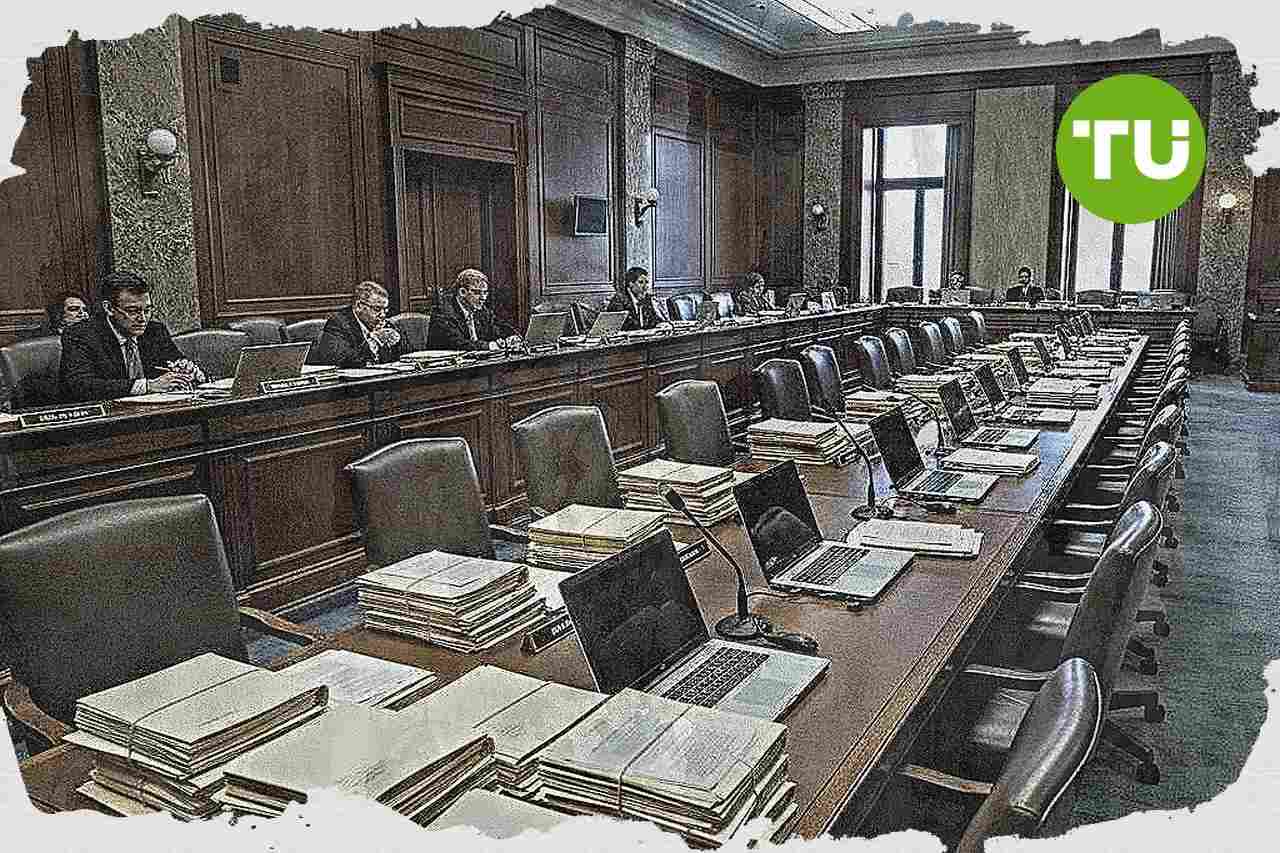
A U.S. Senate committee vote this week is shaping up as a critical test for crypto market structure legislation that aims to reduce long-running regulatory uncertainty. Galaxy Digital says support from a small group of Democratic lawmakers could determine whether the CLARITY Act moves out of committee and improves its chances of reaching a full Senate vote.
Highlights
- Galaxy Digital identifies seven Senate Democrats as pivotal for advancing the Digital Asset Market Clarity Act during Thursday’s Banking Committee markup.
- At least four Democrats—Jack Reed, Elizabeth Warren, Tina Smith and Chris Van Hollen—are expected to oppose, while passage requires bipartisan support from at least half of the 24-member committee.
- The CLARITY Act, introduced July 2025, stalled in January after Coinbase withdrew backing over concerns about open-source developer protections, stablecoin yield bans and DeFi regulation.
Committee math before Thursday markup
As reported by Galaxy Digital in a post on X, seven Democratic members of the U.S. Senate Banking Committee are the most important potential votes when the Digital Asset Market Clarity Act goes to markup on Thursday. The crypto investment firm identifies Ruben Gallego and Angela Alsobrooks as "constructive/pro-framework," while Mark Warner, Catherine Cortez Masto, Andy Kim and Raphael Warnock are described as "deal-maker/conditional," and Lisa Blunt Rochester is classified as "mixed."Galaxy says Warner, Cortez Masto, Kim and Warnock have shown support for the broader crypto framework and voted for the GENIUS Act, but they are also seeking stronger safeguards against illicit finance and money laundering risks. Blunt Rochester is viewed as a possible swing vote because she has backed the framework while opposing the GENIUS Act.
Galaxy expects at least four Democrats, Jack Reed, Elizabeth Warren, Tina Smith and Chris Van Hollen, to oppose the bill, based on their earlier votes and public positions. The Senate Banking Committee has 24 members, including 13 Republicans and 11 Democrats, and at least half must support the measure for it to advance.
Crypto industry stakes and Senate path
If the bill clears committee, it moves to the Senate floor for scheduling, debate and possible amendments before a vote. Kara Calvert, vice president of U.S. policy at Coinbase, says at the Consensus 2026 conference that the legislation needs at least 60 votes in the Senate and bipartisan backing to become law.Stand With Crypto, a U.S. advocacy and tracking platform, lists Warner, Cortez Masto and Alsobrooks as strongly supportive of crypto, while Kim is rated neutral. Reed, Warren and Smith are ranked strongly opposed, and Warnock, Blunt Rochester, Gallego and Van Hollen are not rated because of insufficient data.
The CLARITY Act was introduced in July 2025 and was expected to advance, but it stalled in January after Coinbase withdrew support. The exchange cited concerns including missing legal protections for open-source software developers, a ban on stablecoin yields and rules affecting decentralized finance.
In our earlier coverage of the Indiana field hearing on the future of U.S. mining, we explained how lawmakers and industry witnesses focused on labor shortages, compliance pressure, and the role of new technology in keeping mines competitive. The piece also highlighted the push for more domestic production alongside criticism that certain safety-related rules could raise costs and threaten jobs, framing mining policy as both a workforce and energy-security issue.






Latest Cryptoreg News






-
 Afghanistan
-
 Albania
-
 Algeria
-
 Angola
-
 Argentina
-
 Armenia
-
 Australia
-
 Austria
-
 Azerbaijan
-
 Bahamas
-
 Bahrain
-
 Bangladesh
-
 Belarus
-
 Belgium
-
 Bolivia
-
 Botswana
-
 Brazil
-
 Brunei
-
 Bulgaria
-
 Cambodia
-
 Cameroon
-
 Canada
-
 Chile
-
 China
-
 Colombia
-
 Congo
-
 Costa Rica
-
 Cote d'Ivoire
-
 Croatia
-
 Cuba
-
 Cyprus
-
 Czechia
-
 DR Congo
-
 Denmark
-
 Dominican Republic
-
 Ecuador
-
 Egypt
-
 El Salvador
-
 Estonia
-
 Eswatini
-
 Ethiopia
-
 Finland
-
 France
-
 Georgia
-
 Germany
-
 Ghana
-
 Greece
-
 Haiti
-
 Hong Kong
-
 Hungary
-
 India
-
 Indonesia
-
 Iran, Islamic republic
-
 Iraq
-
 Ireland
-
 Israel
-
 Italy
-
 Jamaica
-
 Japan
-
 Jordan
-
 Kazakhstan
-
 Kenya
-
 Korea
-
 Kuwait
-
 Kyrgyzstan
-
 Laos
-
 Latvia
-
 Lebanon
-
 Lesotho
-
 Libya
-
 Lithuania
-
 Luxembourg
-
 Madagascar
-
 Malaysia
-
 Malta
-
 Mauritius
-
 Mexico
-
 Moldova
-
 Mongolia
-
 Montenegro
-
 Morocco
-
 Mozambique
-
 Myanmar
-
 Namibia
-
 Nepal
-
 Netherlands
-
 New Zealand
-
 Nigeria
-
 North Macedonia
-
 Norway
-
 Oman
-
 Pakistan
-
 Palestine
-
 Panama
-
 Papua New Guinea
-
 Paraguay
-
 Peru
-
 Philippines
-
 Poland
-
 Portugal
-
 Puerto Rico
-
 Qatar
-
 Reunion
-
 Romania
-
 Rwanda
-
 Saudi Arabia
-
 Serbia
-
 Singapore
-
 Slovakia
-
 Slovenia
-
 Somalia
-
 South Africa
-
 Spain
-
 Sri Lanka
-
 Sweden
-
 Switzerland
-
 Syria
-
 Taiwan
-
 Tajikistan
-
 Tanzania
-
 Thailand
-
 Trinidad and Tobago
-
 Tunisia
-
 Turkey
-
 UAE
-
 Uganda
-
 Ukraine
-
 United Kingdom
-
United States
-
 Uruguay
-
 Uzbekistan
-
 Venezuela
-
 Vietnam
-
 Yemen
-
 Zambia
-
 Zimbabwe
- Forex
- Crypto












