

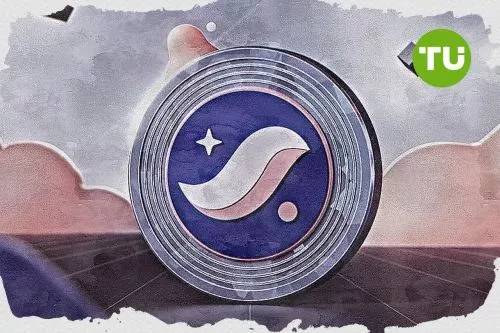
Starknet opens governance vote on quantum-security shift beyond Ethereum

Starknet is asking token holders whether it should study a possible path from Ethereum layer-2 status to an independent blockchain as concerns over quantum risks gain urgency in crypto. The seven-day, non-binding poll runs until Oct. 22 and would only endorse further research, with any eventual transition requiring additional governance proposals and votes.
Highlights
- Starknet opens a vote for STRK holders from Oct. 12 to Oct. 22 on pursuing a quantum-resistant, independent network beyond Ethereum.
- StarkWare claims moving off Ethereum could enable faster implementation of quantum security, citing urgent risks and Ethereum's slower roadmap.
- Starknet targets full quantum resistance by 2027, while Ethereum's post-quantum protections are planned for 2029, highlighting competitive industry pressures.
Vote focuses on post-quantum strategy
As reported by Cointelegraph, the poll opened on Thursday with three choices for STRK holders: support further research, oppose the idea, or stay neutral until more information is available. Results are due after voting closes on Oct. 22, and Starknet says a favorable outcome would not by itself authorize any move to become a layer-1 network.StarkWare, the developer behind Starknet, says an independent chain could let the network pursue quantum-resistant security without waiting for Ethereum's upgrade schedule. Starknet currently depends on Ethereum for parts of its infrastructure, including its bridge and data availability, which StarkWare identifies as areas that still carry quantum-security dependencies.
Chief executive Eli Ben-Sasson says the industry needs to move quickly on quantum protection. He tells Cointelegraph that "quantum-proofing crypto is urgent," while contrasting the proposal with what he describes as slower progress at Ethereum and Bitcoin.
Roadmap adds pressure on Ethereum-linked infrastructure
Starknet and Ben-Sasson both hint at the proposal in separate X posts on Oct. 8, presenting the effort as a bid to become the first fully quantum-resistant network by 2027. In June, StarkWare unveils a three-phase roadmap covering signature upgrades, smart-contract migration and infrastructure that still depends on Ethereum.The move also highlights a wider competitive question for the crypto sector as networks weigh how quickly to harden systems against future computing threats. Ethereum developers establish a dedicated post-quantum team in March, with initial protocol-level protections targeted for 2029, leaving Starknet to argue that a faster route may require more independence from the Ethereum stack.
We previously reported on Cohere’s push to expand into enterprise security, including a planned acquisition of AI cybersecurity startup AISLE as part of its broader consolidation with Aleph Alpha. That deal was framed as a way to add AI-driven vulnerability detection and strengthen threat-defense capabilities for enterprise and public-sector clients, supported by AISLE’s bug-finding track record and its European engineering base in Prague.









-
 Afghanistan
-
 Albania
-
 Algeria
-
 Angola
-
 Argentina
-
 Armenia
-
 Australia
-
 Austria
-
 Azerbaijan
-
 Bahamas
-
 Bahrain
-
 Bangladesh
-
 Belarus
-
 Belgium
-
 Bolivia
-
 Botswana
-
 Brazil
-
 Brunei
-
 Bulgaria
-
 Cambodia
-
 Cameroon
-
 Canada
-
 Chile
-
 China
-
 Colombia
-
 Congo
-
 Costa Rica
-
 Cote d'Ivoire
-
 Croatia
-
 Cuba
-
 Cyprus
-
 Czechia
-
 DR Congo
-
 Denmark
-
 Dominican Republic
-
 Ecuador
-
 Egypt
-
 El Salvador
-
 Estonia
-
 Eswatini
-
 Ethiopia
-
 Finland
-
 France
-
 Georgia
-
 Germany
-
 Ghana
-
 Greece
-
 Haiti
-
 Hong Kong
-
 Hungary
-
 India
-
 Indonesia
-
 Iran, Islamic republic
-
 Iraq
-
 Ireland
-
 Israel
-
 Italy
-
 Jamaica
-
 Japan
-
 Jordan
-
 Kazakhstan
-
 Kenya
-
 Korea
-
 Kuwait
-
 Kyrgyzstan
-
 Laos
-
 Latvia
-
 Lebanon
-
 Lesotho
-
 Libya
-
 Lithuania
-
 Luxembourg
-
 Madagascar
-
 Malaysia
-
 Malta
-
 Mauritius
-
 Mexico
-
 Moldova
-
 Mongolia
-
 Montenegro
-
 Morocco
-
 Mozambique
-
 Myanmar
-
 Namibia
-
 Nepal
-
 Netherlands
-
 New Zealand
-
 Nigeria
-
 North Macedonia
-
 Norway
-
 Oman
-
 Pakistan
-
 Palestine
-
 Panama
-
 Papua New Guinea
-
 Paraguay
-
 Peru
-
 Philippines
-
 Poland
-
 Portugal
-
 Puerto Rico
-
 Qatar
-
 Reunion
-
 Romania
-
 Rwanda
-
 Saudi Arabia
-
 Serbia
-
 Singapore
-
 Slovakia
-
 Slovenia
-
 Somalia
-
 South Africa
-
 Spain
-
 Sri Lanka
-
 Sweden
-
 Switzerland
-
 Syria
-
 Taiwan
-
 Tajikistan
-
 Tanzania
-
 Thailand
-
 Trinidad and Tobago
-
 Tunisia
-
 Turkey
-
 UAE
-
 Uganda
-
 Ukraine
-
 United Kingdom
-
United States
-
 Uruguay
-
 Uzbekistan
-
 Venezuela
-
 Vietnam
-
 Yemen
-
 Zambia
-
 Zimbabwe
- Forex
- Crypto












