

Binance says withdrawal outflows stabilise after $6.3 billion crypto heist

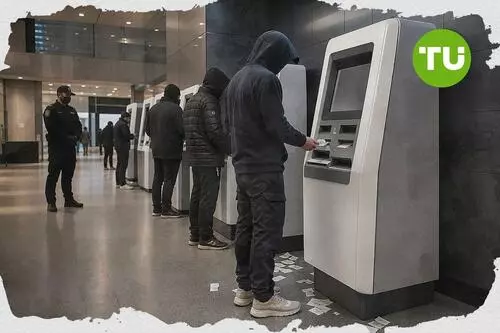
Customer withdrawals from Binance reach $3.64 billion as the crypto exchange brings services back online following a major theft linked by investigators to North Korea. The outflows equal 2.1% of assets, while the company says it has already replaced 95% of the stolen holdings and is restoring withdrawals in phases.
Highlights
- Binance says withdrawals have stabilised after a surge following last week's $6.3 billion crypto theft, with $171 billion in assets under management as of October 28.
- Binance has replaced about $6 billion of stolen tokens using company funds, covering 95% of losses, and is gradually reopening withdrawals prioritising 15 major tokens.
- The FBI attributes the theft to North Korea's TraderTraitor group, with Binance absorbing the impact by allocating $6.34 billion from SAFU, its Futures Insurance Fund, and treasury.
Phased reopening and withdrawal trends
As reported by Reuters, Binance says withdrawals are stabilising after an initial surge as users move funds following last week's security breach. The exchange says deposit volumes remain substantial, and that it holds $171 billion in total assets under management as of October 28.Binance says it is reopening withdrawals in stages, prioritising tokens based on user demand over the past week. The first phase covers 15 tokens, including bitcoin, ether, dogecoin, and some transactions involving the USDC and USDT stablecoins.
The company says it has covered 95% of the stolen assets and earlier on Sunday said it had bought about $6 billion of replacement tokens using company funds. The remaining 5% consists of less liquid assets that may take longer to source in the necessary amounts.
Binance says the net outflow figure reflects both withdrawals and deposits after the incident. Crypto analytics platform DefiLlama shows higher outflows of $5.81 billion on its dashboard, while a Binance spokesperson says the platform's initial figures do not include transfers into a new Binance hot wallet and are therefore not fully accurate.
Market reaction and security implications
Analysts and investors are watching withdrawal activity as an early test of whether customers continue to trust Binance after the attack, which some analysts say could rank as the biggest financial robbery ever. Ari Redbord, global head of policy at TRM Labs, says the withdrawals appear closer to a precautionary reaction than to outright capital flight.Broader crypto markets show signs of strain but also some recovery. Bitcoin rebounds from a six-week low on Friday to trade above $78,000 on Monday, while ether also recovers modestly after touching a two-month low.
Stablecoin balances also indicate money leaving parts of the crypto market. According to CoinMarketCap data cited in the report, the combined market capitalisation of USDT and USDC has fallen by about $1.2 billion since Friday.
The FBI says on Saturday that the North Korean state-backed group TraderTraitor is responsible for the attack, adding that law enforcement expects further laundering of the stolen assets after they are converted into ether. Binance says it will absorb the financial impact, setting aside about $6.34 billion from sources including its SAFU reserve, its Futures Insurance Fund and corporate treasury, while co-CEO Yi He says the company plans to replenish SAFU to about $1 billion and warns users about new scams emerging after the breach.
In our earlier article on CTOS Digital’s cybersecurity incident, we covered how the disruption was expected to hit the company’s finances, with management estimating a RM12 million drop in net profit and a RM16 million decline in revenue if some services stayed unavailable into late October. We also noted that even after services begin to be restored, rebuilding customer confidence and normal transaction volumes can take longer, while added cybersecurity spending may continue to weigh on performance.






Latest Binance News




-
 Afghanistan
-
 Albania
-
 Algeria
-
 Angola
-
 Argentina
-
 Armenia
-
 Australia
-
 Austria
-
 Azerbaijan
-
 Bahamas
-
 Bahrain
-
 Bangladesh
-
 Belarus
-
 Belgium
-
 Bolivia
-
 Botswana
-
 Brazil
-
 Brunei
-
 Bulgaria
-
 Cambodia
-
 Cameroon
-
 Canada
-
 Chile
-
 China
-
 Colombia
-
 Congo
-
 Costa Rica
-
 Cote d'Ivoire
-
 Croatia
-
 Cuba
-
 Cyprus
-
 Czechia
-
 DR Congo
-
 Denmark
-
 Dominican Republic
-
 Ecuador
-
 Egypt
-
 El Salvador
-
 Estonia
-
 Eswatini
-
 Ethiopia
-
 Finland
-
 France
-
 Georgia
-
 Germany
-
 Ghana
-
 Greece
-
 Haiti
-
 Hong Kong
-
 Hungary
-
 India
-
 Indonesia
-
 Iran, Islamic republic
-
 Iraq
-
 Ireland
-
 Israel
-
 Italy
-
 Jamaica
-
 Japan
-
 Jordan
-
 Kazakhstan
-
 Kenya
-
 Korea
-
 Kuwait
-
 Kyrgyzstan
-
 Laos
-
 Latvia
-
 Lebanon
-
 Lesotho
-
 Libya
-
 Lithuania
-
 Luxembourg
-
 Madagascar
-
 Malaysia
-
 Malta
-
 Mauritius
-
 Mexico
-
 Moldova
-
 Mongolia
-
 Montenegro
-
 Morocco
-
 Mozambique
-
 Myanmar
-
 Namibia
-
 Nepal
-
 Netherlands
-
 New Zealand
-
 Nigeria
-
 North Macedonia
-
 Norway
-
 Oman
-
 Pakistan
-
 Palestine
-
 Panama
-
 Papua New Guinea
-
 Paraguay
-
 Peru
-
 Philippines
-
 Poland
-
 Portugal
-
 Puerto Rico
-
 Qatar
-
 Reunion
-
 Romania
-
 Rwanda
-
 Saudi Arabia
-
 Serbia
-
 Singapore
-
 Slovakia
-
 Slovenia
-
 Somalia
-
 South Africa
-
 Spain
-
 Sri Lanka
-
 Sweden
-
 Switzerland
-
 Syria
-
 Taiwan
-
 Tajikistan
-
 Tanzania
-
 Thailand
-
 Trinidad and Tobago
-
 Tunisia
-
 Turkey
-
 UAE
-
 Uganda
-
 Ukraine
-
 United Kingdom
-
United States
-
 Uruguay
-
 Uzbekistan
-
 Venezuela
-
 Vietnam
-
 Yemen
-
 Zambia
-
 Zimbabwe
- Forex
- Crypto












