

South Korea tests 24-hour won settlement in global market push

South Korea has begun testing round-the-clock won settlement, tackling one of the remaining infrastructure barriers facing foreign investors in its financial markets. The trial is the latest step in Seoul’s effort to make the currency easier to use globally and strengthen its case for developed-market status.
Highlights
- Bank of Korea has started testing 24-hour won settlement.
- Four Korean banks are taking part in the trial.
- Foreign institutions are expected to join later.
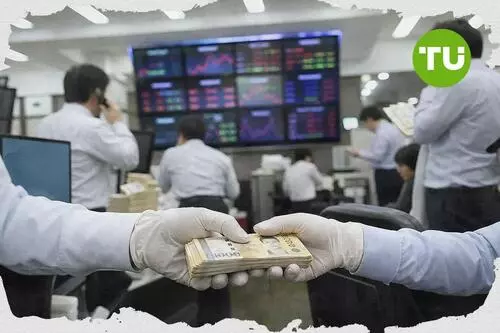
The Bank of Korea started the pilot at 9 a.m. Monday, with four domestic banks participating, according to Bloomberg. Two of the banks had processed 1.4 billion won, about $1 million, in transactions during the initial phase. Foreign banks are expected to join later, although the central bank has not set a timetable.
Settlement catches up with trading
The test addresses a practical gap created by South Korea’s expansion of foreign-exchange trading. Onshore USD/KRW trading shifted to a round-the-clock schedule in July, operating continuously from Monday morning through Saturday morning. The change followed an earlier extension in 2024 that kept the market open until 2 a.m.
Longer trading hours, however, are only part of the equation. Investors also need infrastructure that can transfer won outside conventional Korean banking hours. The new system is designed to provide that settlement layer and eventually accommodate overseas institutions.
From January 2027, foreign investors are due to gain broader ability to trade, transfer, and settle won among themselves outside South Korea. The reform is intended to reduce dependence on domestic operating hours and make currency transactions easier for investors in Europe and the Americas.
Seoul targets easier global access
The settlement project forms part of a broader overhaul aimed at removing obstacles cited by international investors. South Korea remains classified as an emerging market by MSCI, despite repeated efforts to secure promotion to its developed-market group. Market accessibility, including restrictions surrounding currency trading, has been among the issues raised in that process.
Seoul has accelerated changes this year. Alongside 24-hour foreign-exchange trading and offshore settlement, authorities have sought to simplify access for registered foreign institutions and improve the infrastructure connecting overseas investors with Korean markets. South Korea is also entering the World Government Bond Index, another change expected to deepen foreign participation in its capital markets.
A test of South Korea’s market overhaul
The significance of the pilot lies less in its initial volume than in whether the infrastructure can work reliably at scale. The first 1.4 billion won in transactions is modest, but adding foreign banks and moving toward offshore settlement will test whether payments can keep pace with the trading reforms already introduced.
For global investors, successful implementation would make it easier to manage won positions across time zones without waiting for Korean banking hours. For Seoul, the system is another piece of a broader attempt to bring market access closer to practices in developed financial centers and remove a longstanding obstacle to greater foreign participation.
Earlier, we reported that Kyobo Life and SBI completed a direct stablecoin settlement trial.






Latest USD/KRW News



-
 Afghanistan
-
 Albania
-
 Algeria
-
 Angola
-
 Argentina
-
 Armenia
-
 Australia
-
 Austria
-
 Azerbaijan
-
 Bahamas
-
 Bahrain
-
 Bangladesh
-
 Belarus
-
 Belgium
-
 Bolivia
-
 Botswana
-
 Brazil
-
 Brunei
-
 Bulgaria
-
 Cambodia
-
 Cameroon
-
 Canada
-
 Chile
-
 China
-
 Colombia
-
 Congo
-
 Costa Rica
-
 Cote d'Ivoire
-
 Croatia
-
 Cuba
-
 Cyprus
-
 Czechia
-
 DR Congo
-
 Denmark
-
 Dominican Republic
-
 Ecuador
-
 Egypt
-
 El Salvador
-
 Estonia
-
 Eswatini
-
 Ethiopia
-
 Finland
-
 France
-
 Georgia
-
 Germany
-
 Ghana
-
 Greece
-
 Haiti
-
 Hong Kong
-
 Hungary
-
 India
-
 Indonesia
-
 Iran, Islamic republic
-
 Iraq
-
 Ireland
-
 Israel
-
 Italy
-
 Jamaica
-
 Japan
-
 Jordan
-
 Kazakhstan
-
 Kenya
-
 Korea
-
 Kuwait
-
 Kyrgyzstan
-
 Laos
-
 Latvia
-
 Lebanon
-
 Lesotho
-
 Libya
-
 Lithuania
-
 Luxembourg
-
 Madagascar
-
 Malaysia
-
 Malta
-
 Mauritius
-
 Mexico
-
 Moldova
-
 Mongolia
-
 Montenegro
-
 Morocco
-
 Mozambique
-
 Myanmar
-
 Namibia
-
 Nepal
-
 Netherlands
-
 New Zealand
-
 Nigeria
-
 North Macedonia
-
 Norway
-
 Oman
-
 Pakistan
-
 Palestine
-
 Panama
-
 Papua New Guinea
-
 Paraguay
-
 Peru
-
 Philippines
-
 Poland
-
 Portugal
-
 Puerto Rico
-
 Qatar
-
 Reunion
-
 Romania
-
 Rwanda
-
 Saudi Arabia
-
 Serbia
-
 Singapore
-
 Slovakia
-
 Slovenia
-
 Somalia
-
 South Africa
-
 Spain
-
 Sri Lanka
-
 Sweden
-
 Switzerland
-
 Syria
-
 Taiwan
-
 Tajikistan
-
 Tanzania
-
 Thailand
-
 Trinidad and Tobago
-
 Tunisia
-
 Turkey
-
 UAE
-
 Uganda
-
 Ukraine
-
 United Kingdom
-
United States
-
 Uruguay
-
 Uzbekistan
-
 Venezuela
-
 Vietnam
-
 Yemen
-
 Zambia
-
 Zimbabwe
- Forex
- Crypto












