

Philippine peso weakness deepens pressure on inflation, trade and growth outlook

Mounting energy costs and external market volatility are intensifying pressure on the Philippine peso as the currency trades near record lows against the U.S. dollar. The slide is adding to inflation risks, import costs and debt concerns, while analysts say remittances and policy actions remain key buffers for the economy.
Highlights
- Philippine peso hits a record low at P64.17 per dollar on Oct. 27, driven by oil above $110 a barrel, a strong dollar, and worsening economic imbalances.
- October inflation surges to 7.8%, the highest since February 2023, prompting the BSP to hike policy rates to 5.50% with cumulative increases of 125 basis points this year.
- Gross international reserves drop to $99.494 billion while the trade deficit widens to $47.16 billion in nine months and Moody's cuts 2023 GDP growth forecast to 3.3%.
Peso slide reflects oil shock and domestic imbalances
As reported by BusinessWorld Online, the Philippine peso falls to a record low of P64.17 against the U.S. dollar on Oct. 27, as rising global crude prices, a strong dollar and domestic economic strains combine to weaken the currency.President Ferdinand R. Marcos Jr. says the public should not panic, describing the move as an effect of rising oil and fuel prices and their broader impact on the economy. He says the government policy is to continue defending the peso as hard as possible.
Analysts and officials say the depreciation is being driven by both external and internal pressures, including crude prices above $110 a barrel amid Middle East tensions, wider balance-of-payments and current-account deficits, and softer local investment and growth projections. An RCBC client bulletin says the peso-dollar rate is a key gauge of the Philippines' economic stability, with a weaker peso often signaling inflation, higher import expenses and trade deficits.
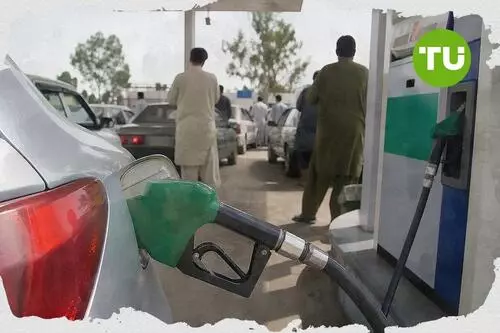
The weaker currency is expected to raise the cost of oil imports further because purchases are denominated in dollars, adding to inflationary pressure across transport, food, power and other commodities. It also has implications for the country's sovereign debt burden, with about a third owed to foreign creditors.
Inflation, reserves and remittances shape outlook
Headline inflation accelerates to 7.8% in October from 7.2% in September, according to the Philippine Statistics Authority, exceeding forecasts and marking the highest level since February 2023. It is the eighth straight month that inflation remains above the Bangko Sentral ng Pilipinas' 3% target, bringing the year-to-date average to 5.6%.The BSP raises its benchmark interest rate by 50 basis points to 5.50% in an unscheduled October move, bringing cumulative hikes to 125 basis points, but the peso's decline continues. Governor Eli Remolona says the central bank is not trying to arrest the peso's depreciation outright because doing so would affect foreign exchange reserves, with the final policy meeting for 2026 set for Dec. 17.
There are signs of short-term relief, with the peso strengthening to P62.97 on Nov. 5 as the dollar weakens after the U.S. midterm elections and oil prices ease, based on Bankers Association of the Philippines data. RCBC Chief Economist Michael L. Ricafort says lower crude prices help support the local currency.
Still, analysts say the peso could weaken to P66 per dollar by end-2027 as reserves decline and the trade deficit widens. University of Asia and the Pacific senior economist Victor A. Abola says gross international reserves stand at $99.494 billion as of end-September, the lowest in three years, while the trade deficit widens to $47.16 billion in the first nine months from $37.57 billion a year earlier.
Remittances remain a major support for the currency. The BSP says cash remittances coursed through banks rise 1.9% year on year to $3.03 billion in August, bringing the first eight months total to $23.42 billion, while overseas Filipino worker remittances accounted for 8.9% of gross domestic product in 2022.
Moody's Ratings expects real GDP growth of 3.3% this year, below its earlier August projections, citing higher energy prices linked to the Middle East conflict and still-subdued investment activity. The ratings firm says reforms in project execution, investment liberalization and public-private partnerships should help medium-term productivity, but warns that delays and weaker investment could continue to weigh on confidence and growth.
In our earlier article on Philippine stocks rising despite a weaker peso, we reported that the PSEi rebounded on bargain hunting even as the currency slid to a then-record low near P63 per dollar. We noted that while foreign buying helped lift equities, the peso’s drop kept sentiment cautious and left investors closely focused on macro and geopolitical developments that could drive further currency moves.






Latest Brent News



-
 Afghanistan
-
 Albania
-
 Algeria
-
 Angola
-
 Argentina
-
 Armenia
-
 Australia
-
 Austria
-
 Azerbaijan
-
 Bahamas
-
 Bahrain
-
 Bangladesh
-
 Belarus
-
 Belgium
-
 Bolivia
-
 Botswana
-
 Brazil
-
 Brunei
-
 Bulgaria
-
 Cambodia
-
 Cameroon
-
 Canada
-
 Chile
-
 China
-
 Colombia
-
 Congo
-
 Costa Rica
-
 Cote d'Ivoire
-
 Croatia
-
 Cuba
-
 Cyprus
-
 Czechia
-
 DR Congo
-
 Denmark
-
 Dominican Republic
-
 Ecuador
-
 Egypt
-
 El Salvador
-
 Estonia
-
 Eswatini
-
 Ethiopia
-
 Finland
-
 France
-
 Georgia
-
 Germany
-
 Ghana
-
 Greece
-
 Haiti
-
 Hong Kong
-
 Hungary
-
 India
-
 Indonesia
-
 Iran, Islamic republic
-
 Iraq
-
 Ireland
-
 Israel
-
 Italy
-
 Jamaica
-
 Japan
-
 Jordan
-
 Kazakhstan
-
 Kenya
-
 Korea
-
 Kuwait
-
 Kyrgyzstan
-
 Laos
-
 Latvia
-
 Lebanon
-
 Lesotho
-
 Libya
-
 Lithuania
-
 Luxembourg
-
 Madagascar
-
 Malaysia
-
 Malta
-
 Mauritius
-
 Mexico
-
 Moldova
-
 Mongolia
-
 Montenegro
-
 Morocco
-
 Mozambique
-
 Myanmar
-
 Namibia
-
 Nepal
-
 Netherlands
-
 New Zealand
-
 Nigeria
-
 North Macedonia
-
 Norway
-
 Oman
-
 Pakistan
-
 Palestine
-
 Panama
-
 Papua New Guinea
-
 Paraguay
-
 Peru
-
 Philippines
-
 Poland
-
 Portugal
-
 Puerto Rico
-
 Qatar
-
 Reunion
-
 Romania
-
 Rwanda
-
 Saudi Arabia
-
 Serbia
-
 Singapore
-
 Slovakia
-
 Slovenia
-
 Somalia
-
 South Africa
-
 Spain
-
 Sri Lanka
-
 Sweden
-
 Switzerland
-
 Syria
-
 Taiwan
-
 Tajikistan
-
 Tanzania
-
 Thailand
-
 Trinidad and Tobago
-
 Tunisia
-
 Turkey
-
 UAE
-
 Uganda
-
 Ukraine
-
 United Kingdom
-
United States
-
 Uruguay
-
 Uzbekistan
-
 Venezuela
-
 Vietnam
-
 Yemen
-
 Zambia
-
 Zimbabwe
- Forex
- Crypto












