

Philippine peso weakens as hotter U.S. inflation lifts Fed hike bets

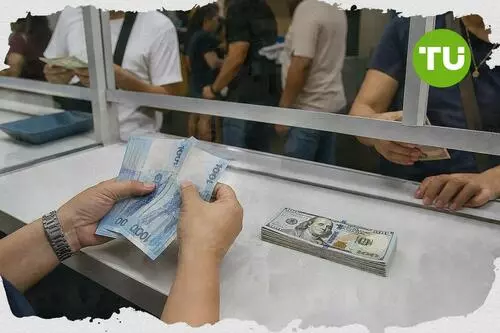
Pressure on emerging market currencies is building as stronger-than-expected U.S. inflation data revives expectations of tighter Federal Reserve policy. In the Philippines, the peso returns to the P63-per-dollar level on Wednesday as demand for the greenback also tracks hawkish signals from Fed officials.
Highlights
- Peso weakens to P63.25 per dollar from P62.91, closing down 34 centavos as firmer U.S. inflation data drives dollar strength.
- Dollar index rises 0.2% to 102.4, near two-week high, after U.S. October CPI beats forecasts for third straight month.
- Fed rate futures fully price in a 25-basis-point December hike, with Goldman Sachs and Deutsche Bank now expecting multiple rate increases into March.
Peso move tracks U.S. inflation signals
As reported by BusinessWorld Online, the peso closes at P63.25 per dollar on Wednesday, weakening by 34 centavos from Tuesday’s P62.91 finish, based on data from the Bankers Association of the Philippines.The local currency opens the session at P63.15 against the dollar, reaches an intraday high of P63.12, and falls to as low as P63.295. Dollar volume declines to $1.42 billion from $1.83 billion in the previous session.
A trader says the peso weakens as a stronger dollar follows the release of firmer-than-expected U.S. consumer price index data, reinforcing market bets on a December rate hike. Rizal Commercial Banking Corp. Chief Economist Michael L. Ricafort says demand for the greenback is also supported by hawkish signals from some Fed officials and the upward correction in U.S. Treasury yields.
For Thursday, the trader sees the peso moving between P63 and P63.40 per dollar, while Ricafort expects a P63.15 to P63.35 range.
Global rate outlook weighs on regional currencies
The dollar rises against most major currencies on Wednesday, extending gains after inflation data and hawkish comments from Federal Reserve officials strengthen expectations of another U.S. rate increase.The U.S. dollar index, which tracks the greenback against a basket of six currencies, is up 0.2% at 102.4, near a roughly two-week high. The gauge also advances 0.5% on Tuesday after data shows U.S. consumer prices increase more than expected in October, driven by higher food and accommodation costs and marking a third straight upside surprise.
Reuters reports that comments from voting members of the Fed’s rate-setting committee signal concern over persistent inflation, leading traders to fully price in a 25-basis-point rate hike in December, according to the CME FedWatch Tool. Markets also see slim odds of a 50-basis-point move next month and nearly 75 basis points of additional tightening by September next year, based on LSEG data.
Some brokerages have revised their policy outlook after the inflation data, with Goldman Sachs now expecting hikes in December and March, while Deutsche Bank expects increases in December, January and March.
As we noted earlier, UBS rate-hike outlook projected Fed tightening into 2027 after an inflation surprise.






Latest USD/PHP News




-
 Afghanistan
-
 Albania
-
 Algeria
-
 Angola
-
 Argentina
-
 Armenia
-
 Australia
-
 Austria
-
 Azerbaijan
-
 Bahamas
-
 Bahrain
-
 Bangladesh
-
 Belarus
-
 Belgium
-
 Bolivia
-
 Botswana
-
 Brazil
-
 Brunei
-
 Bulgaria
-
 Cambodia
-
 Cameroon
-
 Canada
-
 Chile
-
 China
-
 Colombia
-
 Congo
-
 Costa Rica
-
 Cote d'Ivoire
-
 Croatia
-
 Cuba
-
 Cyprus
-
 Czechia
-
 DR Congo
-
 Denmark
-
 Dominican Republic
-
 Ecuador
-
 Egypt
-
 El Salvador
-
 Estonia
-
 Eswatini
-
 Ethiopia
-
 Finland
-
 France
-
 Georgia
-
 Germany
-
 Ghana
-
 Greece
-
 Haiti
-
 Hong Kong
-
 Hungary
-
 India
-
 Indonesia
-
 Iran, Islamic republic
-
 Iraq
-
 Ireland
-
 Israel
-
 Italy
-
 Jamaica
-
 Japan
-
 Jordan
-
 Kazakhstan
-
 Kenya
-
 Korea
-
 Kuwait
-
 Kyrgyzstan
-
 Laos
-
 Latvia
-
 Lebanon
-
 Lesotho
-
 Libya
-
 Lithuania
-
 Luxembourg
-
 Madagascar
-
 Malaysia
-
 Malta
-
 Mauritius
-
 Mexico
-
 Moldova
-
 Mongolia
-
 Montenegro
-
 Morocco
-
 Mozambique
-
 Myanmar
-
 Namibia
-
 Nepal
-
 Netherlands
-
 New Zealand
-
 Nigeria
-
 North Macedonia
-
 Norway
-
 Oman
-
 Pakistan
-
 Palestine
-
 Panama
-
 Papua New Guinea
-
 Paraguay
-
 Peru
-
 Philippines
-
 Poland
-
 Portugal
-
 Puerto Rico
-
 Qatar
-
 Reunion
-
 Romania
-
 Rwanda
-
 Saudi Arabia
-
 Serbia
-
 Singapore
-
 Slovakia
-
 Slovenia
-
 Somalia
-
 South Africa
-
 Spain
-
 Sri Lanka
-
 Sweden
-
 Switzerland
-
 Syria
-
 Taiwan
-
 Tajikistan
-
 Tanzania
-
 Thailand
-
 Trinidad and Tobago
-
 Tunisia
-
 Turkey
-
 UAE
-
 Uganda
-
 Ukraine
-
 United Kingdom
-
United States
-
 Uruguay
-
 Uzbekistan
-
 Venezuela
-
 Vietnam
-
 Yemen
-
 Zambia
-
 Zimbabwe
- Forex
- Crypto












