

Philippine peso gains against dollar as risk sentiment improves

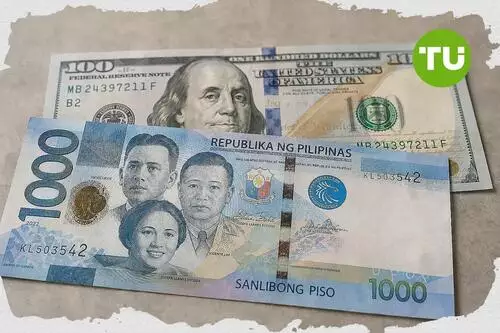
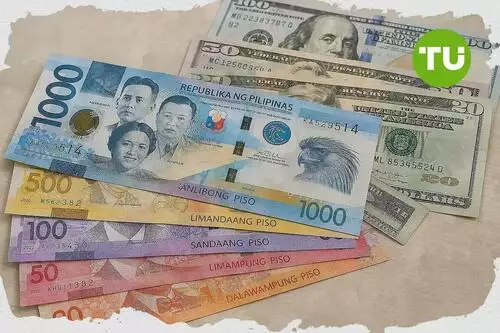
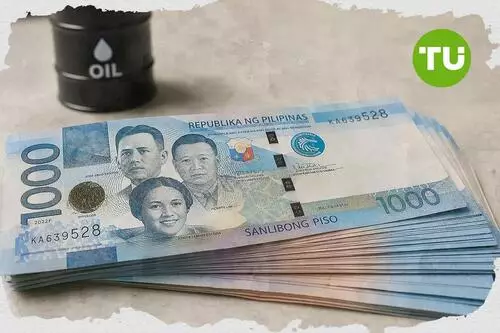
The Philippine peso strengthens against the dollar as firmer appetite for risk assets supports regional currencies and lower oil prices ease pressure on import costs. The move also comes as markets weigh signals from the Bangko Sentral ng Pilipinas that its rate-hike cycle is unlikely to pause yet despite weaker economic growth.
Highlights
- The peso closes at P63.775 per dollar on Tuesday, seven centavos stronger than Monday, with dollar trading volume rising to $1.217 billion.
- Improved risk sentiment from a technology stock rally and falling crude oil prices boosts the peso, supporting risk-sensitive currencies in import-dependent economies.
- BSP Governor Remolona signals continued rate hikes as inflation stays above 3% for eight months, reaching 7.8% last month, with the next policy meeting on Dec. 17.
Market drivers and trading session
As reported by BusinessWorld Online, the peso closes at P63.775 per dollar on Tuesday, stronger by seven centavos from its P63.845 finish on Monday, based on data from the Bankers Association of the Philippines website.The local currency opens the session at P63.73 against the dollar, reaches an intraday high of P63.705 and touches a low of P63.82. Dollar volume rises to $1.217 billion from $919.62 million.
A trader says the dollar-peso pair closes lower on improving risk sentiment after a rally in technology stocks and a drop in global crude oil prices. The combination supports higher-yielding and risk-sensitive currencies while softer oil prices help sentiment in an import-dependent economy.
BSP signals and near-term outlook
Rizal Commercial Banking Corp. Chief Economist Michael L. Ricafort says comments from BSP Governor Eli M. Remolona, Jr. also lift the peso. Remolona says that while weakening economic growth could call for less aggressive tightening, the central bank is unlikely to pause its rate-hike cycle yet because inflation risks persist.Inflation remains above the BSP's 3% target for eight straight months and hits 7.8% last month. The Monetary Board has raised benchmark borrowing costs by a cumulative 125 basis points since April through four straight meetings, including a 50-basis-point increase last month, with its final meeting for the year scheduled for Dec. 17.
For Wednesday, the trader says cautious positioning before key U.S. data could keep the peso within a P63.50 to P63.90 range. Ricafort expects trading between P63.65 and P63.90.
In a previous article, we explained how S&P growth outlook cuts through 2028 reflected weaker public spending and confidence.






Latest USD/PHP News


-
 Afghanistan
-
 Albania
-
 Algeria
-
 Angola
-
 Argentina
-
 Armenia
-
 Australia
-
 Austria
-
 Azerbaijan
-
 Bahamas
-
 Bahrain
-
 Bangladesh
-
 Belarus
-
 Belgium
-
 Bolivia
-
 Botswana
-
 Brazil
-
 Brunei
-
 Bulgaria
-
 Cambodia
-
 Cameroon
-
 Canada
-
 Chile
-
 China
-
 Colombia
-
 Congo
-
 Costa Rica
-
 Cote d'Ivoire
-
 Croatia
-
 Cuba
-
 Cyprus
-
 Czechia
-
 DR Congo
-
 Denmark
-
 Dominican Republic
-
 Ecuador
-
 Egypt
-
 El Salvador
-
 Estonia
-
 Eswatini
-
 Ethiopia
-
 Finland
-
 France
-
 Georgia
-
 Germany
-
 Ghana
-
 Greece
-
 Haiti
-
 Hong Kong
-
 Hungary
-
 India
-
 Indonesia
-
 Iran, Islamic republic
-
 Iraq
-
 Ireland
-
 Israel
-
 Italy
-
 Jamaica
-
 Japan
-
 Jordan
-
 Kazakhstan
-
 Kenya
-
 Korea
-
 Kuwait
-
 Kyrgyzstan
-
 Laos
-
 Latvia
-
 Lebanon
-
 Lesotho
-
 Libya
-
 Lithuania
-
 Luxembourg
-
 Madagascar
-
 Malaysia
-
 Malta
-
 Mauritius
-
 Mexico
-
 Moldova
-
 Mongolia
-
 Montenegro
-
 Morocco
-
 Mozambique
-
 Myanmar
-
 Namibia
-
 Nepal
-
 Netherlands
-
 New Zealand
-
 Nigeria
-
 North Macedonia
-
 Norway
-
 Oman
-
 Pakistan
-
 Palestine
-
 Panama
-
 Papua New Guinea
-
 Paraguay
-
 Peru
-
 Philippines
-
 Poland
-
 Portugal
-
 Puerto Rico
-
 Qatar
-
 Reunion
-
 Romania
-
 Rwanda
-
 Saudi Arabia
-
 Serbia
-
 Singapore
-
 Slovakia
-
 Slovenia
-
 Somalia
-
 South Africa
-
 Spain
-
 Sri Lanka
-
 Sweden
-
 Switzerland
-
 Syria
-
 Taiwan
-
 Tajikistan
-
 Tanzania
-
 Thailand
-
 Trinidad and Tobago
-
 Tunisia
-
 Turkey
-
 UAE
-
 Uganda
-
 Ukraine
-
 United Kingdom
-
United States
-
 Uruguay
-
 Uzbekistan
-
 Venezuela
-
 Vietnam
-
 Yemen
-
 Zambia
-
 Zimbabwe
- Forex
- Crypto












