
The tweet was deleted by the author.
But we saved everything 🙂.
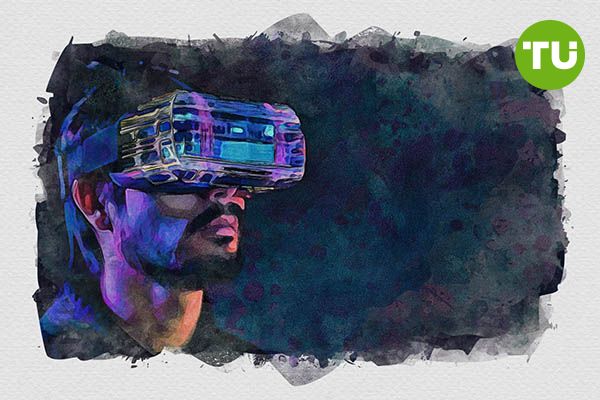
Just a few years ago, the metaverse was a hot topic in the tech world, seen as the pinnacle of virtual reality development. However, as time passed, the hype faded, and most companies shelved their metaverse projects indefinitely.
Last week, Donald Trump's Trump Organization unexpectedly filed a trademark application for TRUMP in the metaverse. The concept involves a virtual world dedicated to the former U.S. president, where users can purchase digital clothing and various products, dine in Trump-branded virtual restaurants, and even experience simulated rides in limousines and airplanes. The platform is also expected to launch its own NFT marketplace.
Trump’s initiative to create his own metaverse seems questionable, given that most players in the crypto industry have long lost interest in this concept.
The metaverse is a virtual world where users can interact, work, learn, and entertain themselves through digital avatars. The term was first introduced by American author Neal Stephenson in his 1992 science fiction novel Snow Crash.
In the book, the metaverse is described as a virtual reality where people can travel, trade, and communicate. Over time, this idea inspired developers to create technologies that brought this concept closer to reality.
The metaverse gained widespread attention in 2021, when Facebook rebranded as Meta and introduced Horizon Worlds, a platform for creating and interacting in virtual worlds via VR. This move gave the industry a major boost, prompting Microsoft, Nvidia, Epic Games, and other tech giants to invest heavily in virtual reality development.
In the summer of 2022, Oxford University Press named “metaverse” one of the most popular words of the year. For the first time, public voting determined the selection, making it a strong reflection of global interest.
Usage of the term reportedly increased fourfold, largely due to the crypto community.
Throughout 2022, numerous companies and cities around the world launched their own metaverse projects or announced plans to do so. For instance, Ford, one of the world’s largest car manufacturers, filed multiple trademark applications for metaverse-related products.
Other examples include:
- Playboy, which announced its MetaMansion metaverse project.
- Seoul, which introduced a government-backed city metaverse.
- Puma, which launched Black Station, a digital fashion hub featuring virtual sneakers.
- Interpol, which unveiled the first global police metaverse.
The list of metaverse projects seemed endless—until interest in the trend began to decline.
By 2023, enthusiasm for the metaverse had noticeably waned. It became clear that many projects were failing to meet expectations: user engagement was low, VR equipment remained expensive, and technical limitations created barriers to mass adoption.
As a result Microsoft shut down its Industrial Metaverse division. Meta significantly reduced funding for Horizon Worlds. Blockchain-based metaverses, such as Decentraland and The Sandbox, struggled with declining user activity and falling virtual land prices. Many smaller projects were completely abandoned.
With companies no longer seeing substantial economic potential in the metaverse, investor interest shifted towards artificial intelligence (AI), which quickly emerged as a far more practical and profitable field.
Once considered revolutionary, the metaverse has now been overshadowed by more promising technologies. The idea of virtual worlds has faced major challenges, including expensive hardware, technical constraints, and a lack of user engagement, leading major corporations to pivot away from the concept. Microsoft, Meta, and other tech giants have reprioritized their efforts, while investors have turned their focus to AI, Web3, and other emerging innovations that offer greater real-world applications.
Against this backdrop, Donald Trump’s attempt to create his own metaverse appears outdated and unlikely to succeed. The majority of the industry has already abandoned the idea, and it’s doubtful that a Trump-themed virtual world will revive a fading trend.
Although metaverses still exist, their time as a mainstream phenomenon is over. The world is now moving toward generative AI, decentralized applications, and more practical solutions, leaving the metaverse as a niche concept with little long-term potential.

 Afghanistan
 Albania
 Algeria
 Angola
 Argentina
 Armenia
 Australia
 Austria
 Azerbaijan
 Bahamas
 Bahrain
 Bangladesh
 Belarus
 Belgium
 Bolivia
 Botswana
 Brazil
 Brunei
 Bulgaria
 Cambodia
 Cameroon
 Canada
 Chile
Chile
 China
China
 Colombia
 Congo
Congo
 Costa Rica
 Cote d'Ivoire
 Croatia
 Cuba
Cuba
 Cyprus
 Czechia
 DR Congo
 Denmark
 Dominican Republic
 Ecuador
 Egypt
Egypt
 El Salvador
 Estonia
 Eswatini
 Ethiopia
 Finland
 France
 Georgia
 Germany
 Ghana
Ghana
 Greece
 Haiti
Haiti
 Hong Kong
 Hungary
 India
India
 Indonesia
 Iran, Islamic republic
 Iraq
Iraq
 Ireland
 Israel
 Italy
Italy
 Jamaica
 Japan
Japan
 Jordan
 Kazakhstan
 Kenya
Kenya
 Korea
Korea
 Kuwait
 Kyrgyzstan
 Laos
Laos
 Latvia
 Lebanon
 Lesotho
 Libya
Libya
 Lithuania
 Luxembourg
 Madagascar
 Malaysia
 Malta
Malta
 Mauritius
 Mexico
 Moldova
 Mongolia
 Montenegro
 Morocco
 Mozambique
 Myanmar
 Namibia
 Nepal
Nepal
 Netherlands
 New Zealand
 Nigeria
 North Macedonia
 Norway
 Oman
Oman
 Pakistan
 Palestine
 Panama
 Papua New Guinea
 Paraguay
 Peru
Peru
 Philippines
 Poland
 Portugal
 Puerto Rico
 Qatar
Qatar
 Reunion
 Romania
 Rwanda
 Saudi Arabia
 Serbia
 Singapore
 Slovakia
 Slovenia
 Somalia
 South Africa
 Spain
Spain
 Sri Lanka
 Sweden
 Switzerland
 Syria
Syria
 Taiwan
 Tajikistan
 Tanzania
 Thailand
 Trinidad and Tobago
 Tunisia
 Turkey
 UAE
UAE
 Uganda
 Ukraine
 United Kingdom
United States
United Kingdom
United States
 Uruguay
 Uzbekistan
 Venezuela
 Vietnam
 Yemen
Yemen
 Zambia
 Zimbabwe