
Nvidia stock consolidates at $185 amid requirement for full H200 prepayment in China

As of January 12, Nvidia stock is trading at $184.97, down 0.1% over the past 24 hours. The stock remains in a long-term uptrend but shows signs of short-term hesitation as it consolidates below key resistance levels.
Highlights
- Nvidia stock is consolidating near $185, with support at $178 and resistance at $207, signaling short-term caution in a long-term uptrend.
- The company now requires full upfront payments from Chinese firms for H200 chips due to regulatory uncertainty.
- Price could break above $210 with clarity or fall toward $165 if tensions escalate.
On the technical front, Nvidia is still trading above its 50-day and 200-day moving averages, which are currently sitting around $182.70 and $178.30, respectively. This alignment confirms a longer-term bullish structure, bolstered by a recent golden cross formation. However, the stock has struggled to gain momentum in early 2026, with recent candles showing narrow ranges and reduced volume.
The immediate support zone lies between $178 and $180, coinciding with the 200-day moving average and prior consolidation levels. If Nvidia breaks below this area, it could trigger short-term technical selling. Conversely, the next major resistance level sits near $207, which was tested in December but rejected. A break above this threshold would open the path to renewed bullish acceleration.

Nvidia stock price dynamics (November 2025 - January 2025). Source: TradingView
Technical indicators paint a mixed picture. The Relative Strength Index (RSI) is hovering around 52, which is neutral and shows neither overbought nor oversold conditions. Meanwhile, MACD histogram readings suggest declining positive momentum, though not yet a full bearish crossover. Bollinger Bands have narrowed slightly, reflecting the current low-volatility environment. This implies that a significant move — either breakout or breakdown — could be imminent.
China payment policy shift highlights geopolitical and regulatory risks
The latest pressure point for Nvidia stock stems from a report indicating the company is now requiring full, upfront, and non-refundable payments from Chinese buyers of its high-end H200 artificial intelligence chips. This policy shift is a marked departure from traditional deposit-based arrangements and highlights the increasing regulatory complexity Nvidia faces in one of its largest markets.
The move comes as Chinese tech firms scramble to secure Nvidia’s most advanced chips ahead of further potential restrictions. However, Beijing has reportedly paused approval of H200 imports while it considers new rules that may compel companies to prioritize domestic alternatives. In response to this uncertain regulatory environment, Nvidia is hedging its exposure by demanding full prepayment, reducing its financial risk if Chinese authorities ultimately block or delay shipments.
Sources noted that Chinese companies have placed orders for “hundreds of thousands” of units despite the lack of approval, signaling that demand remains robust. Nevertheless, the volume of actual deliveries remains uncertain, creating a potential disconnect between booked revenue and recognized sales.
Price scenarios and forward outlook
In a neutral case, continued regulatory ambiguity could keep the stock range-bound between $175 and $205. This consolidation would reflect market hesitation amid unresolved policy questions, but still suggest long-term optimism about AI demand and Nvidia’s dominant positioning. Investors may adopt a wait-and-see approach, leading to lower trading volumes and choppy price action in the coming weeks.
A bearish outcome would be triggered if Nvidia breaks below $175 on high volume, possibly due to official bans or extended delays in Chinese approvals. In such a scenario, downside could accelerate toward the $165–$170 area before finding support. Broader market weakness or negative semiconductor sector sentiment could further exacerbate selling pressure in this scenario.
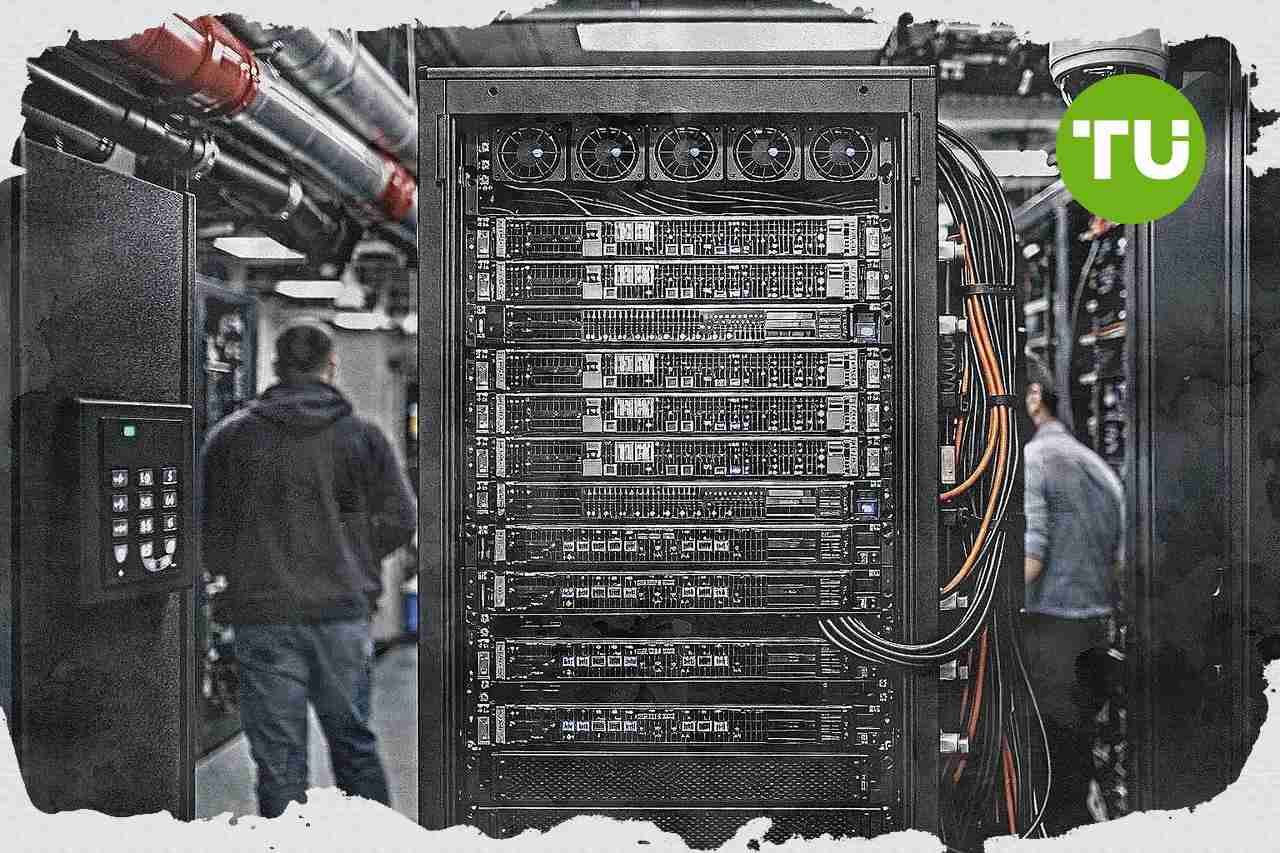
At CES 2026, Nvidia announced a strategic partnership with Lenovo to launch AI Cloud Gigafactory systems combining Lenovo’s liquid cooling with Nvidia’s Blackwell Ultra GPUs and Vera Rubin architecture. The move underscores Nvidia’s pivot toward full-stack AI infrastructure for enterprise sectors like manufacturing, healthcare, and telecoms.






-
 Afghanistan
-
 Albania
-
 Algeria
-
 Angola
-
 Argentina
-
 Armenia
-
 Australia
-
 Austria
-
 Azerbaijan
-
 Bahamas
-
 Bahrain
-
 Bangladesh
-
 Belarus
-
 Belgium
-
 Bolivia
-
 Botswana
-
 Brazil
-
 Brunei
-
 Bulgaria
-
 Cambodia
-
 Cameroon
-
 Canada
-
 Chile
Chile
-
 China
China
-
 Colombia
-
 Congo
Congo
-
 Costa Rica
-
 Cote d'Ivoire
-
 Croatia
-
 Cuba
Cuba
-
 Cyprus
-
 Czechia
-
 DR Congo
-
 Denmark
-
 Dominican Republic
-
 Ecuador
-
 Egypt
Egypt
-
 El Salvador
-
 Estonia
-
 Eswatini
-
 Ethiopia
-
 Finland
-
 France
-
 Georgia
-
 Germany
-
 Ghana
Ghana
-
 Greece
-
 Haiti
Haiti
-
 Hong Kong
-
 Hungary
-
 India
India
-
 Indonesia
-
 Iran, Islamic republic
-
 Iraq
Iraq
-
 Ireland
-
 Israel
-
 Italy
Italy
-
 Jamaica
-
 Japan
Japan
-
 Jordan
-
 Kazakhstan
-
 Kenya
Kenya
-
 Korea
Korea
-
 Kuwait
-
 Kyrgyzstan
-
 Laos
Laos
-
 Latvia
-
 Lebanon
-
 Lesotho
-
 Libya
Libya
-
 Lithuania
-
 Luxembourg
-
 Madagascar
-
 Malaysia
-
 Malta
Malta
-
 Mauritius
-
 Mexico
-
 Moldova
-
 Mongolia
-
 Montenegro
-
 Morocco
-
 Mozambique
-
 Myanmar
-
 Namibia
-
 Nepal
Nepal
-
 Netherlands
-
 New Zealand
-
 Nigeria
-
 North Macedonia
-
 Norway
-
 Oman
Oman
-
 Pakistan
-
 Palestine
-
 Panama
-
 Papua New Guinea
-
 Paraguay
-
 Peru
Peru
-
 Philippines
-
 Poland
-
 Portugal
-
 Puerto Rico
-
 Qatar
Qatar
-
 Reunion
-
 Romania
-
 Rwanda
-
 Saudi Arabia
-
 Serbia
-
 Singapore
-
 Slovakia
-
 Slovenia
-
 Somalia
-
 South Africa
-
 Spain
Spain
-
 Sri Lanka
-
 Sweden
-
 Switzerland
-
 Syria
Syria
-
 Taiwan
-
 Tajikistan
-
 Tanzania
-
 Thailand
-
 Trinidad and Tobago
-
 Tunisia
-
 Turkey
-
 UAE
UAE
-
 Uganda
-
 Ukraine
-
 United Kingdom
-
United States
-
 Uruguay
-
 Uzbekistan
-
 Venezuela
-
 Vietnam
-
 Yemen
Yemen
-
 Zambia
-
 Zimbabwe
- Forex
- Crypto











