

Gold price rebounds despite stronger dollar and Middle East tensions
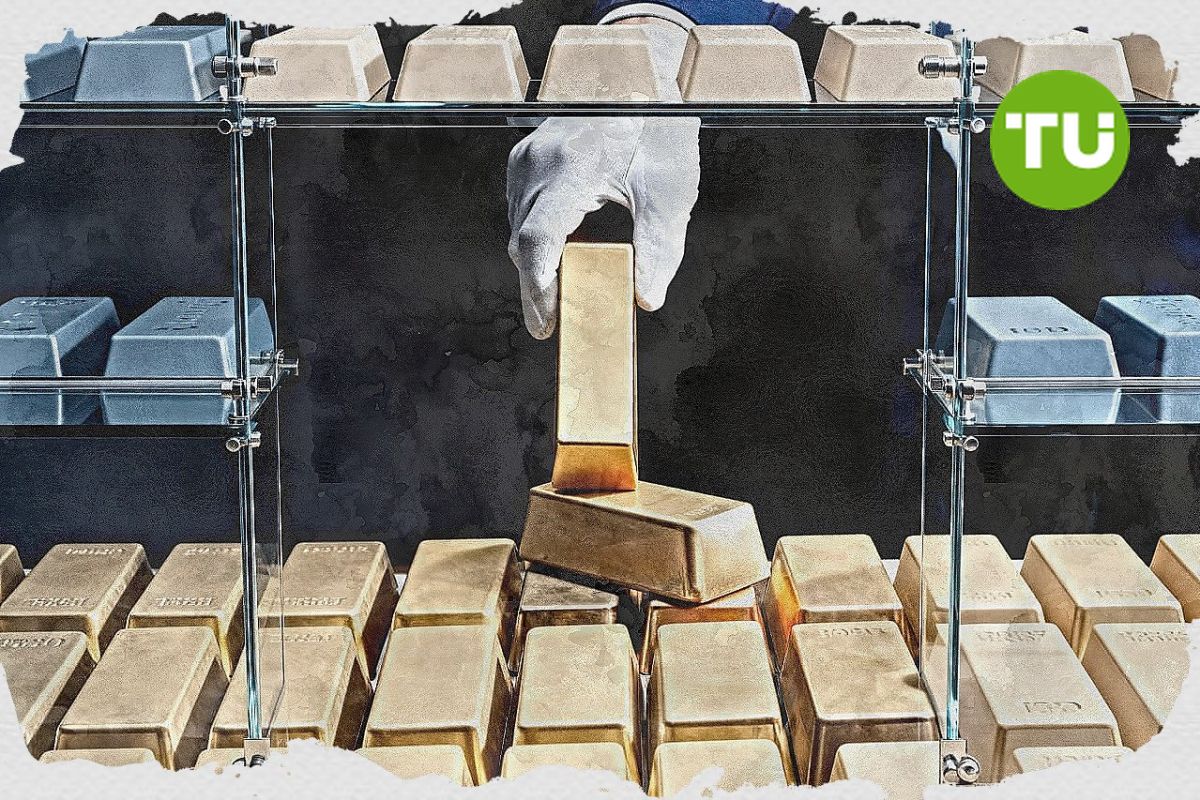
Gold prices moved higher after a sharp decline in the previous session as investors stepped in to buy the dip. The rebound comes amid escalating tensions in the Middle East, which has increased demand for safe haven assets.
According to Bloomberg, gold gained about 2.3%, partially recovering losses after Tuesday’s drop. Traders continue to balance geopolitical risk premiums with the strengthening U.S. dollar, which has been rising throughout the week.
Geopolitical risks and pressure from the dollar
The increase in gold prices comes as the conflict in the Middle East enters its fifth day, traditionally boosting interest in safe haven assets. However, the metal’s gains have been limited by a stronger dollar and rising U.S. Treasury yields.
The U.S. dollar index has continued to climb, which typically weighs on gold prices because it makes the metal more expensive for buyers using other currencies. At the same time, U.S. Treasury yields have increased, reducing the appeal of gold, which does not provide interest income.
Analysts at BMO Capital Markets, including Helen Amos, noted that Tuesday’s sharp decline in gold prices surprised markets because the metal initially benefited from safe haven demand. The correction occurred as rising Treasury yields, a stronger U.S. dollar, and forced liquidations by investors seeking to meet margin calls after the equity sell-off outweighed gold’s safe haven characteristics.
Dip buyers support the market
Despite short-term volatility, demand for gold remains strong. Following the recent correction, buyers entered the market to take advantage of lower prices, helping the metal regain part of its losses.
Gold continues to be supported by persistent global uncertainty, including geopolitical tensions, trade conflicts, and concerns about the independence of the U.S. Federal Reserve.
Since the beginning of the year, gold prices have risen by about 20%, reaching a record high above $5,595 per ounce at the end of January. This highlights sustained investor interest in gold as a store of value during periods of instability.
Signals for global markets
Gold’s performance reflects a complex combination of factors influencing financial markets. On one hand, geopolitical tensions and inflation risks support demand for safe haven assets. On the other, the strengthening dollar and rising bond yields limit further price gains.
Additional pressure on markets has come from a sharp rise in energy prices, which has increased concerns about broader inflation. As a result, some traders have scaled back expectations for monetary policy easing, which also affects gold prices.
Going forward, gold’s direction will largely depend on developments in the Middle East, the strength of the U.S. dollar, and central bank decisions regarding interest rates.
We also informed that UAE markets open lower after closure following Iranian strikes.











-
 Afghanistan
-
 Albania
-
 Algeria
-
 Angola
-
 Argentina
-
 Armenia
-
 Australia
-
 Austria
-
 Azerbaijan
-
 Bahamas
-
 Bahrain
-
 Bangladesh
-
 Belarus
-
 Belgium
-
 Bolivia
-
 Botswana
-
 Brazil
-
 Brunei
-
 Bulgaria
-
 Cambodia
-
 Cameroon
-
 Canada
-
 Chile
Chile
-
 China
China
-
 Colombia
-
 Congo
Congo
-
 Costa Rica
-
 Cote d'Ivoire
-
 Croatia
-
 Cuba
Cuba
-
 Cyprus
-
 Czechia
-
 DR Congo
-
 Denmark
-
 Dominican Republic
-
 Ecuador
-
 Egypt
Egypt
-
 El Salvador
-
 Estonia
-
 Eswatini
-
 Ethiopia
-
 Finland
-
 France
-
 Georgia
-
 Germany
-
 Ghana
Ghana
-
 Greece
-
 Haiti
Haiti
-
 Hong Kong
-
 Hungary
-
 India
India
-
 Indonesia
-
 Iran, Islamic republic
-
 Iraq
Iraq
-
 Ireland
-
 Israel
-
 Italy
Italy
-
 Jamaica
-
 Japan
Japan
-
 Jordan
-
 Kazakhstan
-
 Kenya
Kenya
-
 Korea
Korea
-
 Kuwait
-
 Kyrgyzstan
-
 Laos
Laos
-
 Latvia
-
 Lebanon
-
 Lesotho
-
 Libya
Libya
-
 Lithuania
-
 Luxembourg
-
 Madagascar
-
 Malaysia
-
 Malta
Malta
-
 Mauritius
-
 Mexico
-
 Moldova
-
 Mongolia
-
 Montenegro
-
 Morocco
-
 Mozambique
-
 Myanmar
-
 Namibia
-
 Nepal
Nepal
-
 Netherlands
-
 New Zealand
-
 Nigeria
-
 North Macedonia
-
 Norway
-
 Oman
Oman
-
 Pakistan
-
 Palestine
-
 Panama
-
 Papua New Guinea
-
 Paraguay
-
 Peru
Peru
-
 Philippines
-
 Poland
-
 Portugal
-
 Puerto Rico
-
 Qatar
Qatar
-
 Reunion
-
 Romania
-
 Rwanda
-
 Saudi Arabia
-
 Serbia
-
 Singapore
-
 Slovakia
-
 Slovenia
-
 Somalia
-
 South Africa
-
 Spain
Spain
-
 Sri Lanka
-
 Sweden
-
 Switzerland
-
 Syria
Syria
-
 Taiwan
-
 Tajikistan
-
 Tanzania
-
 Thailand
-
 Trinidad and Tobago
-
 Tunisia
-
 Turkey
-
 UAE
UAE
-
 Uganda
-
 Ukraine
-
 United Kingdom
-
United States
-
 Uruguay
-
 Uzbekistan
-
 Venezuela
-
 Vietnam
-
 Yemen
Yemen
-
 Zambia
-
 Zimbabwe
- Forex
- Crypto












