
Oil prices rise: Hormuz blockade sends shockwaves through global energy markets
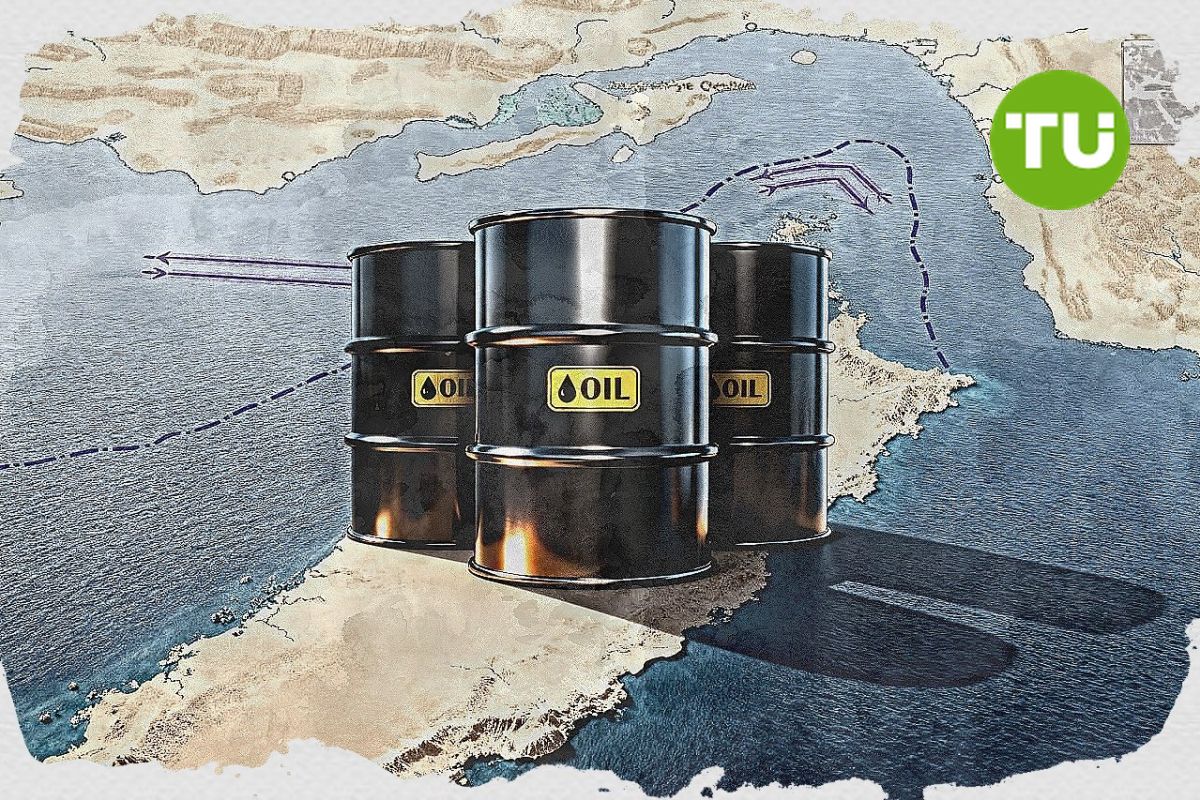
Global oil prices rose after Iran announced the closure of the Strait of Hormuz, a key route for crude shipments from the Persian Gulf. The escalation of the conflict between the United States and Iran has heightened concerns about major disruptions to global energy supplies, CNBC reported.
Highlights
- Hormuz Strait Closure: Iran's closure of the Strait of Hormuz disrupts 31% of global crude oil shipments.
- Oil Price Surge: Brent crude oil prices have risen nearly 10%, with the potential to exceed $100 per barrel.
- Impact on Asia: South and Southeast Asian countries, reliant on LNG imports, face significant energy supply risks.
A senior commander of the Islamic Revolutionary Guard Corps said the strait was closed and warned that any vessel attempting to pass through it would become a target. The Strait of Hormuz, located between Oman and Iran, handles about 13 million barrels of oil per day, or roughly 31% of global seaborne crude shipments, according to Kpler estimates for 2025.
Markets respond with higher prices
Following the announcement, Brent crude rose 2.6% to $80 per barrel, bringing gains since the start of the conflict to nearly 10%. During trading, prices briefly exceeded $82 per barrel, the highest level since early 2025. Analysts say that if the blockade persists, oil prices could surpass $100 per barrel.
Around 20% of global liquefied natural gas exports also pass through the strait. Qatar, one of the worlds largest LNG suppliers, suspended production after strikes hit industrial facilities in Ras Laffan and Mesaieed.
Asia faces the greatest risk
South and Southeast Asian countries remain the most vulnerable. According to Kpler, Qatar and the UAE account for 99% of LNG imports to Pakistan, 72% to Bangladesh and 53% to India. Bangladesh is already facing a structural gas deficit of more than 1.3 billion cubic feet per day.
India faces a dual impact: more than half of its LNG imports are linked to Gulf pricing, while about 60% of its oil imports come from the Middle East. A rise in Brent increases both crude import costs and contract LNG prices.
China, the worlds largest crude importer, buys more than 80% of Iranian oil exports but maintains strategic reserves that may partially cushion the impact.
Energy shock and global consequences
A prolonged closure of the Strait of Hormuz could push oil prices above $100 per barrel and intensify inflationary pressure. About 13 million barrels per day of oil and a significant share of global LNG flows are at risk.
Higher energy prices could slow economic growth in importing countries and increase volatility in financial markets. Investors are closely watching how long the blockade lasts and how major exporters and consumers respond.
In an earlier report, we noted that defense stocks rise amid U.S.-Iran conflict.


Latest Natural Gas News






-
 Afghanistan
-
 Albania
-
 Algeria
-
 Angola
-
 Argentina
-
 Armenia
-
 Australia
-
 Austria
-
 Azerbaijan
-
 Bahamas
-
 Bahrain
-
 Bangladesh
-
 Belarus
-
 Belgium
-
 Bolivia
-
 Botswana
-
 Brazil
-
 Brunei
-
 Bulgaria
-
 Cambodia
-
 Cameroon
-
 Canada
-
 Chile
Chile
-
 China
China
-
 Colombia
-
 Congo
Congo
-
 Costa Rica
-
 Cote d'Ivoire
-
 Croatia
-
 Cuba
Cuba
-
 Cyprus
-
 Czechia
-
 DR Congo
-
 Denmark
-
 Dominican Republic
-
 Ecuador
-
 Egypt
Egypt
-
 El Salvador
-
 Estonia
-
 Eswatini
-
 Ethiopia
-
 Finland
-
 France
-
 Georgia
-
 Germany
-
 Ghana
Ghana
-
 Greece
-
 Haiti
Haiti
-
 Hong Kong
-
 Hungary
-
 India
India
-
 Indonesia
-
 Iran, Islamic republic
-
 Iraq
Iraq
-
 Ireland
-
 Israel
-
 Italy
Italy
-
 Jamaica
-
 Japan
Japan
-
 Jordan
-
 Kazakhstan
-
 Kenya
Kenya
-
 Korea
Korea
-
 Kuwait
-
 Kyrgyzstan
-
 Laos
Laos
-
 Latvia
-
 Lebanon
-
 Lesotho
-
 Libya
Libya
-
 Lithuania
-
 Luxembourg
-
 Madagascar
-
 Malaysia
-
 Malta
Malta
-
 Mauritius
-
 Mexico
-
 Moldova
-
 Mongolia
-
 Montenegro
-
 Morocco
-
 Mozambique
-
 Myanmar
-
 Namibia
-
 Nepal
Nepal
-
 Netherlands
-
 New Zealand
-
 Nigeria
-
 North Macedonia
-
 Norway
-
 Oman
Oman
-
 Pakistan
-
 Palestine
-
 Panama
-
 Papua New Guinea
-
 Paraguay
-
 Peru
Peru
-
 Philippines
-
 Poland
-
 Portugal
-
 Puerto Rico
-
 Qatar
Qatar
-
 Reunion
-
 Romania
-
 Rwanda
-
 Saudi Arabia
-
 Serbia
-
 Singapore
-
 Slovakia
-
 Slovenia
-
 Somalia
-
 South Africa
-
 Spain
Spain
-
 Sri Lanka
-
 Sweden
-
 Switzerland
-
 Syria
Syria
-
 Taiwan
-
 Tajikistan
-
 Tanzania
-
 Thailand
-
 Trinidad and Tobago
-
 Tunisia
-
 Turkey
-
 UAE
UAE
-
 Uganda
-
 Ukraine
-
 United Kingdom
-
United States
-
 Uruguay
-
 Uzbekistan
-
 Venezuela
-
 Vietnam
-
 Yemen
Yemen
-
 Zambia
-
 Zimbabwe
- Forex
- Crypto











