
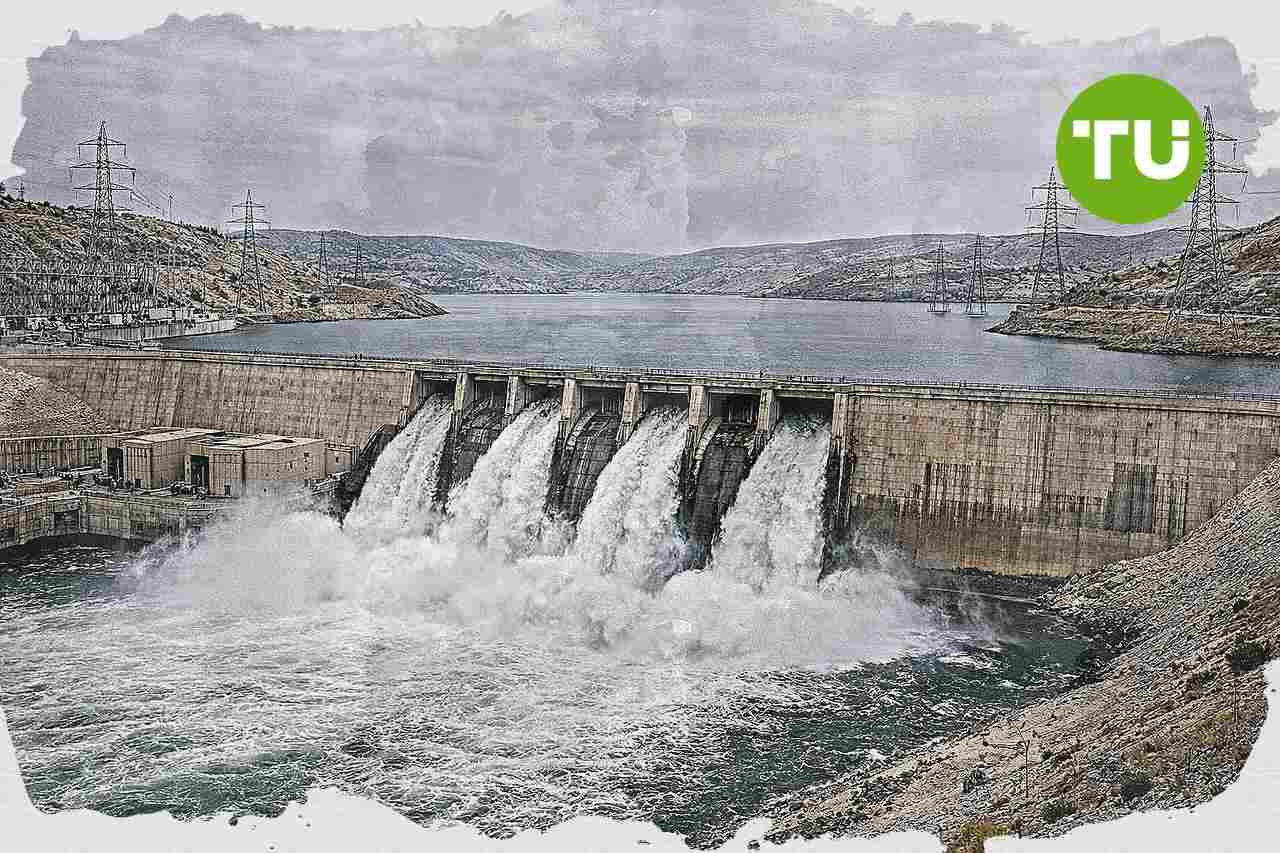
Rising hydropower generation is reshaping Turkey's power mix in 2026, allowing utilities to cut gas-fired electricity production even as overall power output increases. The shift is lifting clean energy's share above 60% for the first time and easing pressure on regional gas supplies as Turkey stores more fuel instead of burning it.
Highlights
- Turkey's hydro generation hits a record 46.33 TWh in January-May 2026, up 60% year-on-year, reducing gas-fired output by 40.6% to 17.48 TWh.
- Hydro accounts for 33.2% of Turkey's electricity mix while total fossil-fuel use declines despite record total power generation of 142.44 TWh, indicating fuel switching over demand weakness.
- Turkey increases gas storage injections 18% above year-earlier levels and cuts power-sector CO2 emissions by over 21% to 47.91 million metric tons.
Record hydro generation cuts gas use
As reported by Reuters, Turkey's hydropower output reaches a record in the first five months of 2026, making water the country's largest single source of electricity and sharply reducing the role of natural gas in the power system.According to data from Ember cited in the report, hydro generation totals 46.33 terawatt hours between January and May, up from 29.03 terawatt hours a year earlier. That nearly 60% increase is almost as large as all gas-fired generation over the same period, which falls to 17.48 terawatt hours from 29.42 terawatt hours, a drop of 40.6% and the lowest share for that period on record.
Hydro accounts for 33.2% of utility-supplied electricity, up from 20.8% a year earlier, helped by strong reservoir levels and favorable weather. Total power generation still rises to a record 142.44 terawatt hours from 140.88 terawatt hours, showing that fossil-fuel use declines because of fuel switching rather than weaker demand.
Coal-fired output is also squeezed, falling 16.1% year on year to 38.14 terawatt hours. Wind generation climbs to 17.97 terawatt hours from 14.95 terawatt hours, while solar output increases to 13.98 terawatt hours from 13.31 terawatt hours, pushing clean electricity production to 86.25 terawatt hours and 61.2% of the total mix.
Regional gas market and emissions impact
Turkey's reduced gas burn is extending beyond the domestic power market because the country is one of Europe's largest gas consumers and an important transit hub. Lower use in power plants is helping reinforce a broader regional pattern of weaker gas demand and stronger renewable generation.Instead of consuming imported gas for electricity, Turkey is channeling more supply into underground storage. Storage injections are reportedly running about 18% above year-earlier levels, according to LSEG, which helps limit inventory drawdowns across Europe during the 2026 refill season.
The environmental effect is also significant. Power-sector emissions from burning fossil fuels fall to 47.91 million metric tons of CO2 equivalent from 61.01 million tons a year earlier, a decline of more than 21%.
Turkey's experience fits a wider European effort to cut exposure to imported gas through renewables, efficiency gains and electrification. In this case, the drop in gas demand comes while electricity generation rises, making Turkey one of the clearest examples in 2026 of how renewable output can displace fossil fuels without undermining power demand growth.
Our earlier article on the European Commission’s proposed overhaul of the EU Emissions Trading System (ETS) explained plans to steer a larger minimum share of carbon-market revenues toward industrial decarbonisation and tighten transparency on how the funds are spent. We also noted that Brussels is weighing broader ETS scope changes—such as adjustments for aviation and shipping—while member states push back over the risk of budget gaps if more revenue is earmarked for industry.


Latest Natural Gas News






-
 Afghanistan
-
 Albania
-
 Algeria
-
 Angola
-
 Argentina
-
 Armenia
-
 Australia
-
 Austria
-
 Azerbaijan
-
 Bahamas
-
 Bahrain
-
 Bangladesh
-
 Belarus
-
 Belgium
-
 Bolivia
-
 Botswana
-
 Brazil
-
 Brunei
-
 Bulgaria
-
 Cambodia
-
 Cameroon
-
 Canada
-
 Chile
Chile
-
 China
China
-
 Colombia
-
 Congo
Congo
-
 Costa Rica
-
 Cote d'Ivoire
-
 Croatia
-
 Cuba
Cuba
-
 Cyprus
-
 Czechia
-
 DR Congo
-
 Denmark
-
 Dominican Republic
-
 Ecuador
-
 Egypt
Egypt
-
 El Salvador
-
 Estonia
-
 Eswatini
-
 Ethiopia
-
 Finland
-
 France
-
 Georgia
-
 Germany
-
 Ghana
Ghana
-
 Greece
-
 Haiti
Haiti
-
 Hong Kong
-
 Hungary
-
 India
India
-
 Indonesia
-
 Iran, Islamic republic
-
 Iraq
Iraq
-
 Ireland
-
 Israel
-
 Italy
Italy
-
 Jamaica
-
 Japan
Japan
-
 Jordan
-
 Kazakhstan
-
 Kenya
Kenya
-
 Korea
Korea
-
 Kuwait
-
 Kyrgyzstan
-
 Laos
Laos
-
 Latvia
-
 Lebanon
-
 Lesotho
-
 Libya
Libya
-
 Lithuania
-
 Luxembourg
-
 Madagascar
-
 Malaysia
-
 Malta
Malta
-
 Mauritius
-
 Mexico
-
 Moldova
-
 Mongolia
-
 Montenegro
-
 Morocco
-
 Mozambique
-
 Myanmar
-
 Namibia
-
 Nepal
Nepal
-
 Netherlands
-
 New Zealand
-
 Nigeria
-
 North Macedonia
-
 Norway
-
 Oman
Oman
-
 Pakistan
-
 Palestine
-
 Panama
-
 Papua New Guinea
-
 Paraguay
-
 Peru
Peru
-
 Philippines
-
 Poland
-
 Portugal
-
 Puerto Rico
-
 Qatar
Qatar
-
 Reunion
-
 Romania
-
 Rwanda
-
 Saudi Arabia
-
 Serbia
-
 Singapore
-
 Slovakia
-
 Slovenia
-
 Somalia
-
 South Africa
-
 Spain
Spain
-
 Sri Lanka
-
 Sweden
-
 Switzerland
-
 Syria
Syria
-
 Taiwan
-
 Tajikistan
-
 Tanzania
-
 Thailand
-
 Trinidad and Tobago
-
 Tunisia
-
 Turkey
-
 UAE
UAE
-
 Uganda
-
 Ukraine
-
 United Kingdom
-
United States
-
 Uruguay
-
 Uzbekistan
-
 Venezuela
-
 Vietnam
-
 Yemen
Yemen
-
 Zambia
-
 Zimbabwe
- Forex
- Crypto











