
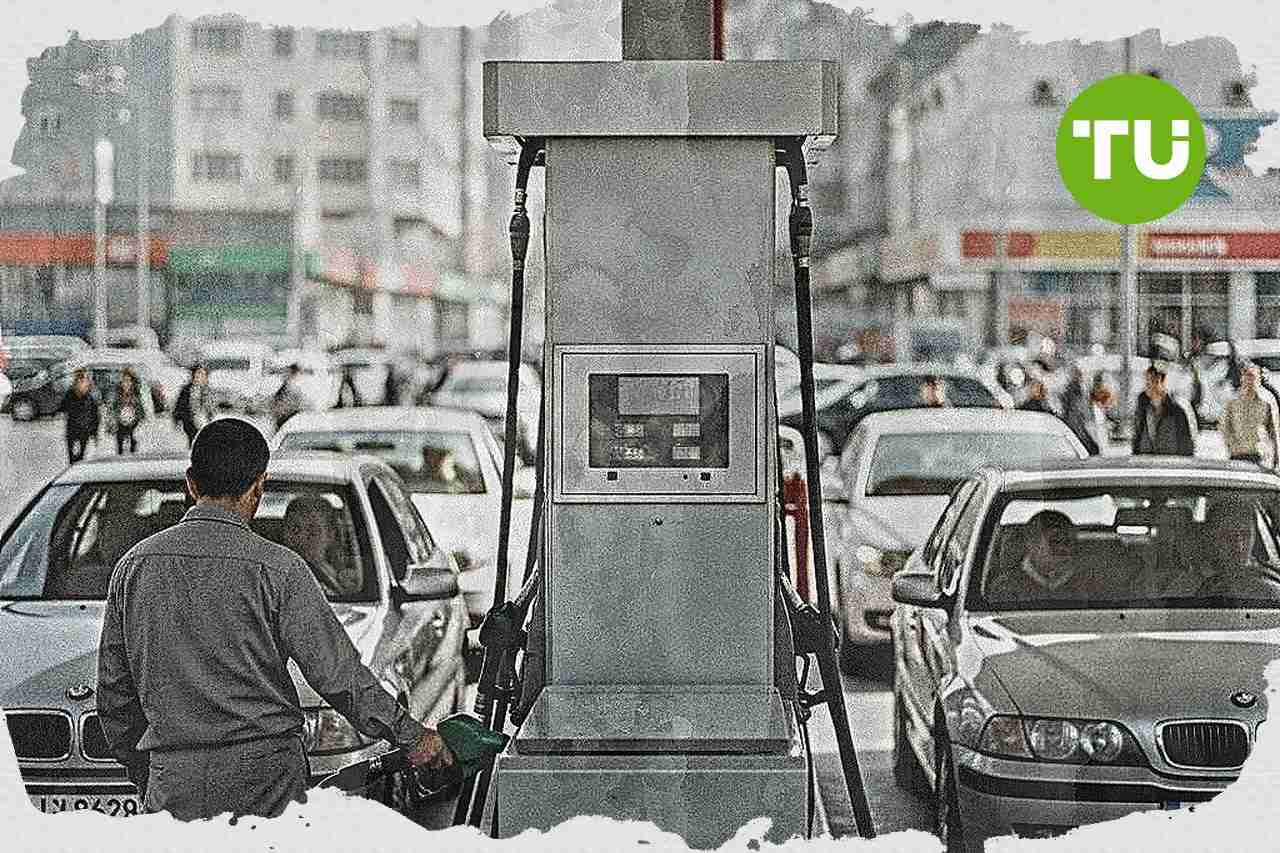
New consumer price index data show gasoline prices rise 21.2% in March from the previous month, the steepest one-month increase on record, and the report says the surge accounts for about three-quarters of the overall CPI increase. The article cites the latest CPI release, while noting a subsequent two-week ceasefire between the U.S. and Iran is not reflected in the inflation figures. That leaves households and businesses facing higher fuel costs even as broader underlying inflation remains more contained.
Highlights
- March gasoline prices posted a record monthly jump in the CPI, surpassing the previous 20% record from June 2009 due to the Iran war.
- AAA reports March national retail gasoline prices averaging $4.153, with core CPI up 0.2% and airline fares up 2.7% month-over-month, pressuring both households and the travel sector.
- A Pew survey shows 69% of U.S. adults are very or extremely concerned about fuel costs tied to U.S.-Iran conflict, with economists expecting lagged declines in prices even after hostilities end.
March fuel inflation drives consumer price gains
The March increase in gasoline prices exceeds the previous monthly record set in June 2009, when the same index rose 20%. Outside energy, price pressures are closer to recent patterns, with core CPI, which excludes food and energy, increasing 0.2% over the month and 2.6% over the year. The contrast suggests fuel is the main near-term source of pressure on household budgets in the latest inflation reading.AAA data also show retail gasoline prices accelerate in March, with the national average reaching $4.153. The report links the rapid rise to the Iran war, which is reshaping consumer energy costs across the country. For businesses, the move raises transport and commuting costs and can weigh on spending in other categories.Higher pump prices pressure households and travel costs
Stephen Kates, a financial analyst at Bankrate, says the latest CPI reading is unlikely to surprise consumers who have been filling up at gas stations. He says higher prices at the pump act like an added tax on households and gradually crowd out other spending. Kates adds that consumers may need to redirect more spending toward eating at home to offset more expensive commuting.The impact is not limited to gasoline. Economists are also watching airline fares, which rise 2.7% over the month in March, while Kates says the 14.9% annual increase suggests summer travel costs may continue to climb as long as energy prices stay elevated. That creates broader cost pressure for the travel sector and for consumers planning discretionary trips.Conflict fallout may outlast any ceasefire
A Pew Research Center survey of about 3,500 U.S. adults in March finds 69% are very or extremely concerned about higher gas and fuel prices tied to U.S. military action against Iran. The concern highlights how fuel inflation is spreading beyond economic data into consumer sentiment. Persistent anxiety over energy costs can also influence spending decisions and business demand.Kates says even if gasoline and diesel prices begin to decline after the conflict resolves, the economic effects are likely to last longer. He expects fuel prices to fall more slowly than they rose, although he says they should decline relatively quickly in the months after the conflict ends. That points to a lagged adjustment period for consumers, transport-intensive industries and the wider U.S. economy.We previously reported on oil prices rebounding after a sharp one-day drop as markets reassessed the impact of a fragile Middle East ceasefire. The article noted that disruptions around the Strait of Hormuz kept Brent and WTI near $97, sustaining the risk of renewed price spikes and prolonging fuel-driven inflation pressure.


Latest Iran war News







-
 Afghanistan
-
 Albania
-
 Algeria
-
 Angola
-
 Argentina
-
 Armenia
-
 Australia
-
 Austria
-
 Azerbaijan
-
 Bahamas
-
 Bahrain
-
 Bangladesh
-
 Belarus
-
 Belgium
-
 Bolivia
-
 Botswana
-
 Brazil
-
 Brunei
-
 Bulgaria
-
 Cambodia
-
 Cameroon
-
 Canada
-
 Chile
Chile
-
 China
China
-
 Colombia
-
 Congo
Congo
-
 Costa Rica
-
 Cote d'Ivoire
-
 Croatia
-
 Cuba
Cuba
-
 Cyprus
-
 Czechia
-
 DR Congo
-
 Denmark
-
 Dominican Republic
-
 Ecuador
-
 Egypt
Egypt
-
 El Salvador
-
 Estonia
-
 Eswatini
-
 Ethiopia
-
 Finland
-
 France
-
 Georgia
-
 Germany
-
 Ghana
Ghana
-
 Greece
-
 Haiti
Haiti
-
 Hong Kong
-
 Hungary
-
 India
India
-
 Indonesia
-
 Iran, Islamic republic
-
 Iraq
Iraq
-
 Ireland
-
 Israel
-
 Italy
Italy
-
 Jamaica
-
 Japan
Japan
-
 Jordan
-
 Kazakhstan
-
 Kenya
Kenya
-
 Korea
Korea
-
 Kuwait
-
 Kyrgyzstan
-
 Laos
Laos
-
 Latvia
-
 Lebanon
-
 Lesotho
-
 Libya
Libya
-
 Lithuania
-
 Luxembourg
-
 Madagascar
-
 Malaysia
-
 Malta
Malta
-
 Mauritius
-
 Mexico
-
 Moldova
-
 Mongolia
-
 Montenegro
-
 Morocco
-
 Mozambique
-
 Myanmar
-
 Namibia
-
 Nepal
Nepal
-
 Netherlands
-
 New Zealand
-
 Nigeria
-
 North Macedonia
-
 Norway
-
 Oman
Oman
-
 Pakistan
-
 Palestine
-
 Panama
-
 Papua New Guinea
-
 Paraguay
-
 Peru
Peru
-
 Philippines
-
 Poland
-
 Portugal
-
 Puerto Rico
-
 Qatar
Qatar
-
 Reunion
-
 Romania
-
 Rwanda
-
 Saudi Arabia
-
 Serbia
-
 Singapore
-
 Slovakia
-
 Slovenia
-
 Somalia
-
 South Africa
-
 Spain
Spain
-
 Sri Lanka
-
 Sweden
-
 Switzerland
-
 Syria
Syria
-
 Taiwan
-
 Tajikistan
-
 Tanzania
-
 Thailand
-
 Trinidad and Tobago
-
 Tunisia
-
 Turkey
-
 UAE
UAE
-
 Uganda
-
 Ukraine
-
 United Kingdom
-
United States
-
 Uruguay
-
 Uzbekistan
-
 Venezuela
-
 Vietnam
-
 Yemen
Yemen
-
 Zambia
-
 Zimbabwe
- Forex
- Crypto











