The tweet was deleted by the author.
But we saved everything 🙂.
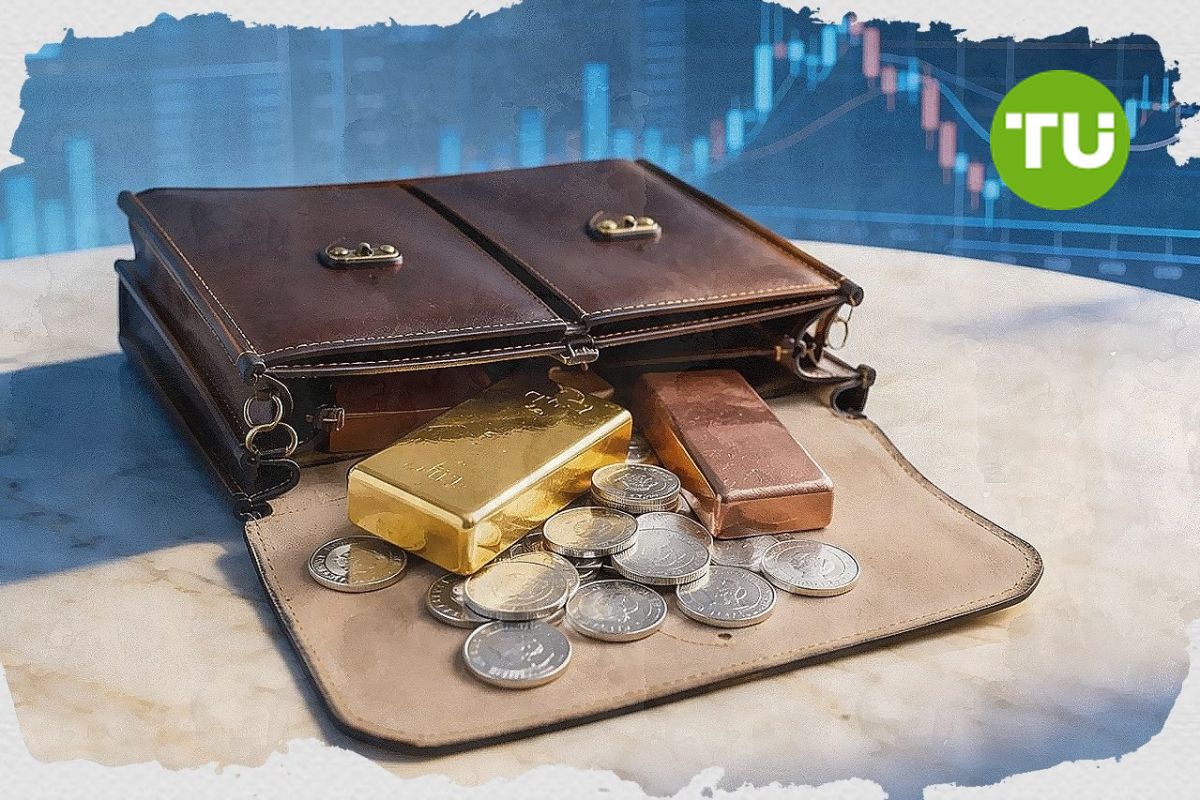
In 2026, the classic formula of “buy gold when things get scary” is no longer the only right answer. While the world balances between geopolitical chaos and a technological leap, gold, silver and copper have divided the market into three different realities. But which metal offers the best opportunity?
Gold traditionally comes to the forefront when investors lose faith in the stability of fiat currencies, debt markets or the geopolitical order. In 2026, this foundation remains firm: demand for safe-haven assets is being fueled by trade wars, inflationary pressure and expectations that central banks may once again start printing money. According to World Gold Council data, global demand continues to show remarkable resilience, while systematic purchases by central banks remain at levels seen the previous year, creating a strong price floor.
Gold’s fundamental advantage does not lie in promises of sky-high returns, but in its ability to act as insurance against unpredictable scenarios. When stock markets tremble under the threat of recession and the dollar loses its unquestioned appeal, gold becomes the one asset that is not someone else’s liability. It is a safe-haven instrument for capital seeking security, not adventure.
At the same time, gold can no longer be called a cheap bet in 2026. After a strong rally, the risk of correction has become much higher, especially if real interest rates remain elevated, the dollar strengthens and some investors decide to lock in profits. For buyers, this means gold is better viewed not as a tool for quick gains, but as part of a portfolio that helps weather periods of turbulence with smaller losses.
Silver is often called gold’s younger brother, but this comparison is not entirely accurate. Unlike gold, silver lives in two worlds at once, as part of its demand comes from investors, while another part depends on industry, solar energy, electronics, and technology manufacturing. This dual nature makes silver attractive during periods of strong demand for precious metals but also makes it much more volatile.
In 2026, the silver market looks interesting because of the combination of investment demand and a structural deficit. The Silver Institute expects global silver demand to remain generally resilient, while growth in physical investment in coins and bars could offset weakness in some industrial and jewelry segments. This matters because even a small imbalance between demand and supply in the silver market can trigger sharp price moves.
This is where the main intrigue for investors begins. While gold often moves more slowly and steadily, silver can sharply outperform it during phases of market optimism, but it can also lose ground just as quickly during corrections. It may deliver higher returns if an investor times the entry correctly, but mistakes can come at the cost of much deeper portfolio drawdowns.
That is why silver is not suitable for everyone. It is a metal for those willing to accept strong price swings in exchange for the chance of greater upside. If gold is bought for peace of mind, silver is bought with the understanding that peace of mind may not be part of the deal.
Copper has a completely different nature from gold and silver. It is not a classic defensive asset and does not serve as a safe haven during crises, but it is hard to imagine power grids, data centers, electric vehicles, renewable energy, defense infrastructure and industrial modernization without it. That is why copper is increasingly viewed not just as a cyclical industrial metal but as one of the key resources of the economy of the future.
In its research on copper in the age of AI, S&P Global emphasizes that demand for the metal through 2040 will be shaped by electrification, digitalization, data centers, artificial intelligence, electric vehicles, and defense technologies. This creates a long-term story that looks convincing even when the short-term economic picture remains uneven.
Copper’s problem is that its strengths are also its risks. If the global economy slows, China reduces construction activity or industrial production weakens, copper can quickly come under pressure. It is more sensitive to the economic cycle than gold and is not always able to protect a portfolio during periods of panic.
In the long term, however, copper has an argument that gold does not. Its demand is based not only on fear or investment expectations, but on the physical need for infrastructure. If the world continues to build data centers, upgrade power grids, develop AI and electrify transport, copper will remain one of the most essential metals of this cycle.
The choice between gold, silver and copper depends less on price forecasts than on an investor’s temperament and vision of the future. These metals no longer simply compete with each other; they offer three fundamentally different strategies.
Gold is chosen by supporters of cautious protection who want to insure capital against an unpredictable world. Silver becomes a risk-on instrument for those willing to tolerate high volatility for the chance of explosive returns. Copper, meanwhile, represents a patient bet on global infrastructure transformation, resource scarcity and the new data economy.
At the same time, in a well-balanced portfolio, these assets can effectively complement one another, providing protection against crises while also opening a window into the technological future.

 Afghanistan
 Albania
 Algeria
 Angola
 Argentina
 Armenia
 Australia
 Austria
 Azerbaijan
 Bahamas
 Bahrain
 Bangladesh
 Belarus
 Belgium
 Bolivia
 Botswana
 Brazil
 Brunei
 Bulgaria
 Cambodia
 Cameroon
 Canada
 Chile
Chile
 China
China
 Colombia
 Congo
Congo
 Costa Rica
 Cote d'Ivoire
 Croatia
 Cuba
Cuba
 Cyprus
 Czechia
 DR Congo
 Denmark
 Dominican Republic
 Ecuador
 Egypt
Egypt
 El Salvador
 Estonia
 Eswatini
 Ethiopia
 Finland
 France
 Georgia
 Germany
 Ghana
Ghana
 Greece
 Haiti
Haiti
 Hong Kong
 Hungary
 India
India
 Indonesia
 Iran, Islamic republic
 Iraq
Iraq
 Ireland
 Israel
 Italy
Italy
 Jamaica
 Japan
Japan
 Jordan
 Kazakhstan
 Kenya
Kenya
 Korea
Korea
 Kuwait
 Kyrgyzstan
 Laos
Laos
 Latvia
 Lebanon
 Lesotho
 Libya
Libya
 Lithuania
 Luxembourg
 Madagascar
 Malaysia
 Malta
Malta
 Mauritius
 Mexico
 Moldova
 Mongolia
 Montenegro
 Morocco
 Mozambique
 Myanmar
 Namibia
 Nepal
Nepal
 Netherlands
 New Zealand
 Nigeria
 North Macedonia
 Norway
 Oman
Oman
 Pakistan
 Palestine
 Panama
 Papua New Guinea
 Paraguay
 Peru
Peru
 Philippines
 Poland
 Portugal
 Puerto Rico
 Qatar
Qatar
 Reunion
 Romania
 Rwanda
 Saudi Arabia
 Serbia
 Singapore
 Slovakia
 Slovenia
 Somalia
 South Africa
 Spain
Spain
 Sri Lanka
 Sweden
 Switzerland
 Syria
Syria
 Taiwan
 Tajikistan
 Tanzania
 Thailand
 Trinidad and Tobago
 Tunisia
 Turkey
 UAE
UAE
 Uganda
 Ukraine
 United Kingdom
United States
United Kingdom
United States
 Uruguay
 Uzbekistan
 Venezuela
 Vietnam
 Yemen
Yemen
 Zambia
 Zimbabwe