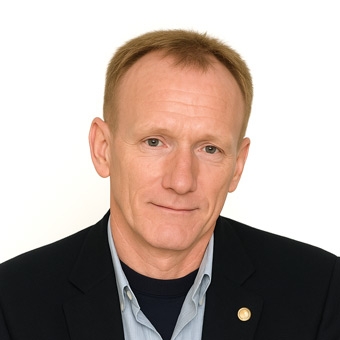
Federal Reserve says policy is well positioned amid U.S. inflation risks

Federal Reserve Vice Chair Philip Jefferson says the current interest rate setting leaves the central bank ready to respond as inflation risks remain tilted upward. His remarks come days after Kevin Warsh takes over as Fed chair and ahead of the June 16-17 Federal Open Market Committee meeting.
Highlights
- Jefferson states the current federal funds target rate of 3.5% to 3.75% positions the Federal Reserve to respond flexibly to economic data and risks.
- He notes the U.S. labor market remains solid with low hiring and firing rates, but warns downside risks are emerging.
- Jefferson highlights that inflation faces upside risks from Middle East energy disruptions and President Donald Trump's import tax hikes, although he expects some easing later in 2024.
Policy stance before June meeting
As reported by Reuters, Jefferson says the federal funds target rate range of 3.5% to 3.75% leaves the central bank "well positioned to respond to economic developments based on the incoming data, the evolving outlook, and the balance of risks." He makes the comments in the text of a speech prepared for the 2026 Bank of Japan-Institute for Monetary and Economic Studies Conference in Tokyo.Jefferson stops short of signaling the next move on interest rates. He says he has not prejudged the June 16-17 meeting and will discuss with colleagues what policy is needed to achieve the Fed's dual-mandate goals.
These are Jefferson's first public remarks since Kevin Warsh is sworn in last Friday as the Fed's new chair, succeeding Jerome Powell, who remains at the central bank for a time as a governor.
Inflation and labor market risks
Jefferson says the U.S. economy is delivering a solid performance and the job market remains stable, with both hiring and firing staying low. At the same time, he says risks to the labor market are tilted to the downside.On inflation, Jefferson says the U.S. is not fully insulated from energy disruptions caused by the war in the Middle East, even though it produces substantial amounts of oil. He expects price pressures to ease later this year, but says the outlook still faces upside risks.
His assessment suggests the Fed is keeping a cautious stance as policymakers weigh persistent inflation pressure linked to President Donald Trump's import tax hikes and geopolitical tensions against signs of a steady, but potentially softening, labor market.
In our earlier coverage of the 2026 Joint Economic Report, we outlined how lawmakers’ findings framed aging demographics, entitlement costs, and labor-force trends as key drivers of rising U.S. fiscal pressure. The report emphasized difficult budget tradeoffs around healthcare and Medicare and argued that long-run solvency depends on spending restraint and reforms that support productivity and workforce growth.


Latest Fed News







-
 Afghanistan
-
 Albania
-
 Algeria
-
 Angola
-
 Argentina
-
 Armenia
-
 Australia
-
 Austria
-
 Azerbaijan
-
 Bahamas
-
 Bahrain
-
 Bangladesh
-
 Belarus
-
 Belgium
-
 Bolivia
-
 Botswana
-
 Brazil
-
 Brunei
-
 Bulgaria
-
 Cambodia
-
 Cameroon
-
 Canada
-
 Chile
Chile
-
 China
China
-
 Colombia
-
 Congo
Congo
-
 Costa Rica
-
 Cote d'Ivoire
-
 Croatia
-
 Cuba
Cuba
-
 Cyprus
-
 Czechia
-
 DR Congo
-
 Denmark
-
 Dominican Republic
-
 Ecuador
-
 Egypt
Egypt
-
 El Salvador
-
 Estonia
-
 Eswatini
-
 Ethiopia
-
 Finland
-
 France
-
 Georgia
-
 Germany
-
 Ghana
Ghana
-
 Greece
-
 Haiti
Haiti
-
 Hong Kong
-
 Hungary
-
 India
India
-
 Indonesia
-
 Iran, Islamic republic
-
 Iraq
Iraq
-
 Ireland
-
 Israel
-
 Italy
Italy
-
 Jamaica
-
 Japan
Japan
-
 Jordan
-
 Kazakhstan
-
 Kenya
Kenya
-
 Korea
Korea
-
 Kuwait
-
 Kyrgyzstan
-
 Laos
Laos
-
 Latvia
-
 Lebanon
-
 Lesotho
-
 Libya
Libya
-
 Lithuania
-
 Luxembourg
-
 Madagascar
-
 Malaysia
-
 Malta
Malta
-
 Mauritius
-
 Mexico
-
 Moldova
-
 Mongolia
-
 Montenegro
-
 Morocco
-
 Mozambique
-
 Myanmar
-
 Namibia
-
 Nepal
Nepal
-
 Netherlands
-
 New Zealand
-
 Nigeria
-
 North Macedonia
-
 Norway
-
 Oman
Oman
-
 Pakistan
-
 Palestine
-
 Panama
-
 Papua New Guinea
-
 Paraguay
-
 Peru
Peru
-
 Philippines
-
 Poland
-
 Portugal
-
 Puerto Rico
-
 Qatar
Qatar
-
 Reunion
-
 Romania
-
 Rwanda
-
 Saudi Arabia
-
 Serbia
-
 Singapore
-
 Slovakia
-
 Slovenia
-
 Somalia
-
 South Africa
-
 Spain
Spain
-
 Sri Lanka
-
 Sweden
-
 Switzerland
-
 Syria
Syria
-
 Taiwan
-
 Tajikistan
-
 Tanzania
-
 Thailand
-
 Trinidad and Tobago
-
 Tunisia
-
 Turkey
-
 UAE
UAE
-
 Uganda
-
 Ukraine
-
 United Kingdom
-
United States
-
 Uruguay
-
 Uzbekistan
-
 Venezuela
-
 Vietnam
-
 Yemen
Yemen
-
 Zambia
-
 Zimbabwe
- Forex
- Crypto











