

Oil prices rose Monday after the United States said it struck Iranian military sites and Tehran said it retaliated against a U.S.-used air base, adding new strain to a fragile cease-fire. The exchange sharpened market fears that talks to reopen the Strait of Hormuz could falter just as traders were watching for signs of a broader deal.
Highlights
- U.S. and Iranian strikes are continuing despite the cease-fire, raising doubts about the durability of negotiations.
- Oil rose more than 2% as traders priced in the risk of a prolonged Hormuz disruption.
- A draft deal focuses on reopening the strait, nuclear limits, sanctions relief, and frozen Iranian revenues.
- Israel’s escalation in Lebanon complicates diplomacy by tying the Gulf crisis to the Hezbollah front.
Strikes test the cease-fire
According to Reuters, U.S. Central Command said American fighter aircraft hit Iranian air defenses, a ground control station, and two one-way attack drones after Iran shot down a U.S. MQ-1 drone that Washington said was flying over international waters. Iran’s Revolutionary Guards said they responded by targeting an air base used by U.S. forces, without naming the facility. Kuwait, which hosts a major U.S. military presence, reported missile and drone interceptions as sirens sounded across the country.
The latest exchange follows similar incidents last week and underscores how limited military action is continuing despite a cease-fire that has been in place since April. The war, launched by the U.S. and Israel on Feb. 28, has killed thousands and disrupted energy markets, mainly through Iran’s effective closure of the Strait of Hormuz.
Diplomacy runs into market pressure
Negotiators from Washington and Tehran traded proposed changes over the weekend to a draft agreement aimed at extending the cease-fire and reopening Hormuz. The main disputes remain Iran’s nuclear program, sanctions relief, frozen Iranian oil revenues, and the link between any Gulf deal and Israel’s expanding campaign against Hezbollah in Lebanon. A draft proposal would require Iran to reopen the strait and restore traffic toward prewar conditions within 30 days, though the security guarantees remain unclear.
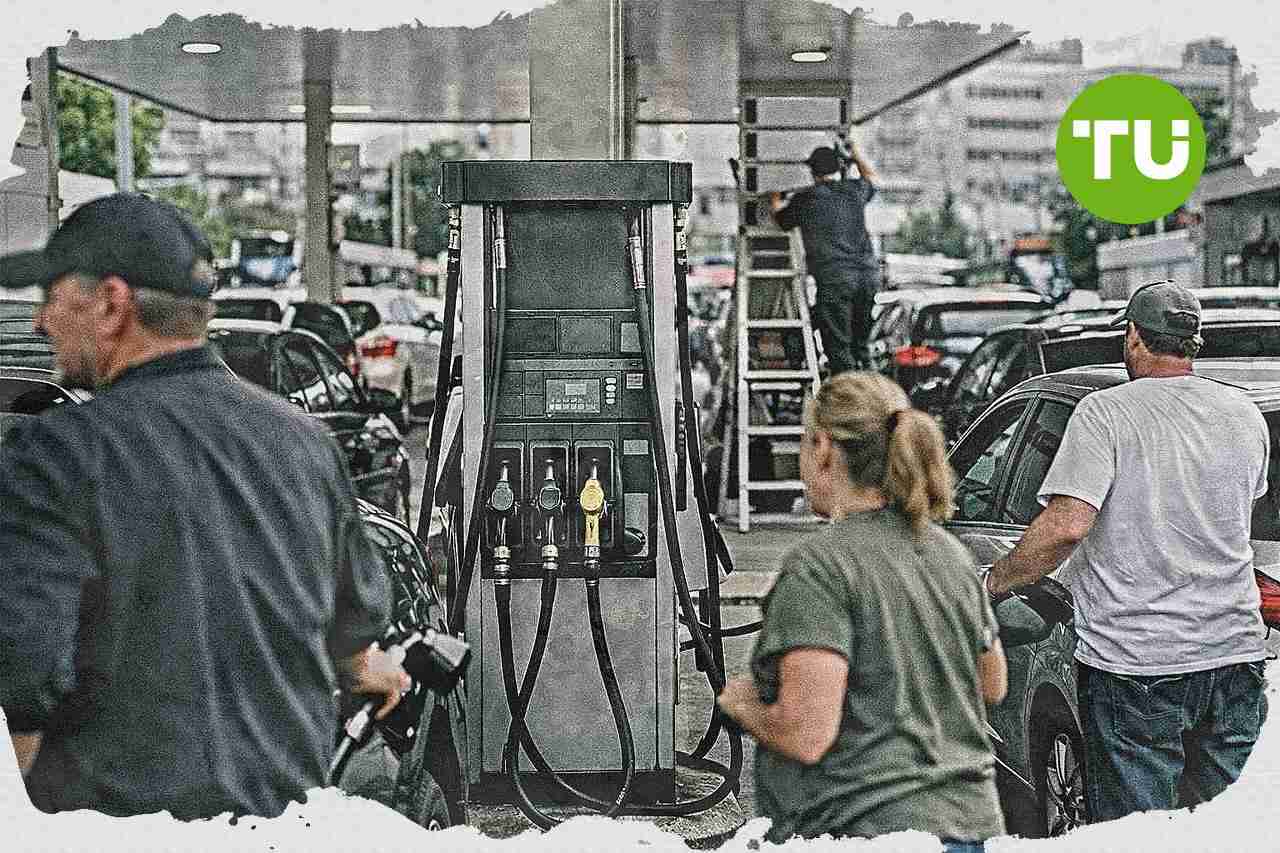
President Donald Trump said on social media that Iran “really wants to make a deal” and dismissed criticism from Republicans skeptical of negotiations. But he is under pressure to bring down gasoline prices before congressional elections while avoiding concessions that could anger Iran hawks.
WTI crude traded at $89.74, up 2.72%, while Brent rose 2.37% to $93.28. The Strait of Hormuz remains the central market risk: in 2024 and early 2025, flows through the waterway accounted for more than one-quarter of global seaborne oil trade and about one-fifth of global petroleum consumption.
Energy markets face a narrow chokepoint
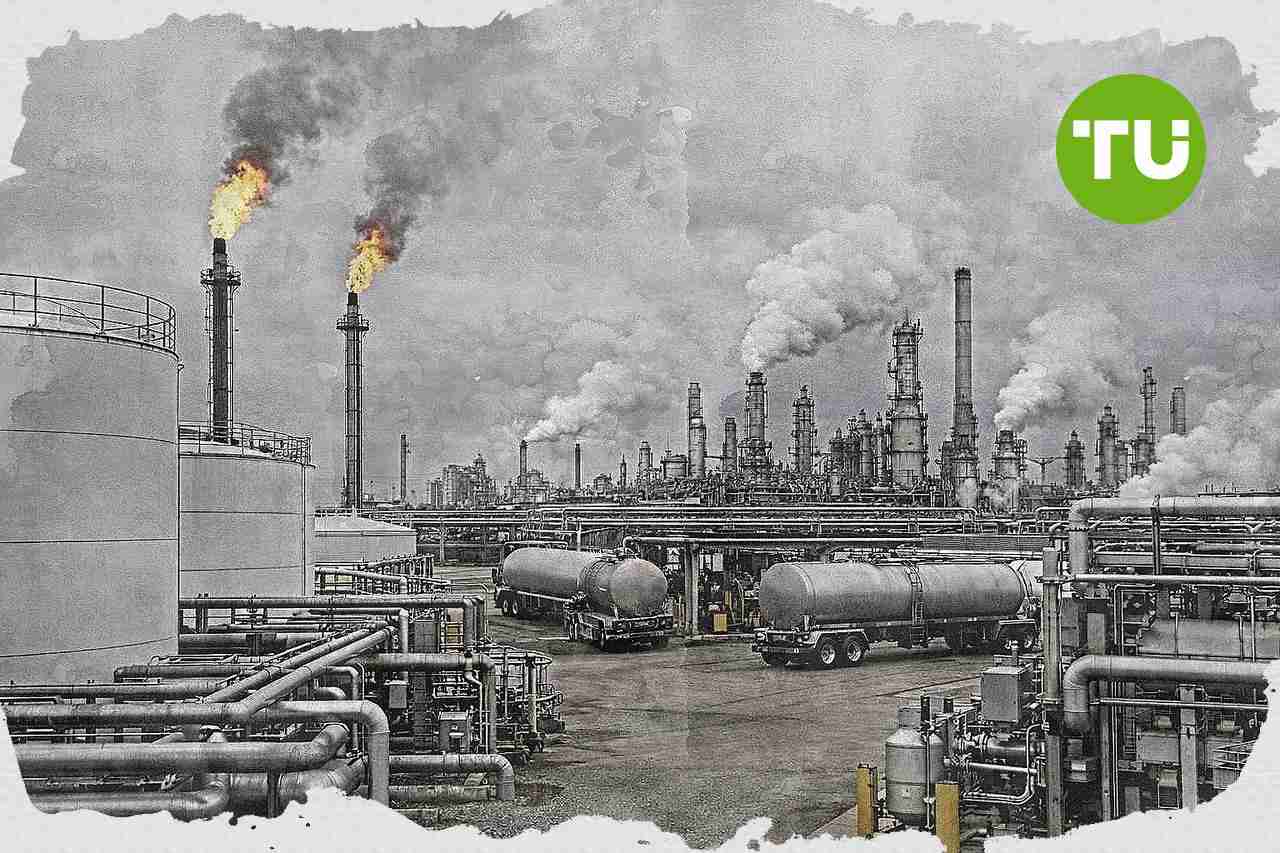
The conflict matters because the Strait of Hormuz is not just a regional security issue; it is a global inflation channel.
With WTI near $90 and Brent above $93, every new strike near Gulf shipping routes increases the risk of higher fuel costs, weaker consumer confidence and political pressure on Washington to secure a durable agreement.
In an earlier report, we noted that the Hormuz deal awaits Trump's decision as oil falls.







-
 Afghanistan
-
 Albania
-
 Algeria
-
 Angola
-
 Argentina
-
 Armenia
-
 Australia
-
 Austria
-
 Azerbaijan
-
 Bahamas
-
 Bahrain
-
 Bangladesh
-
 Belarus
-
 Belgium
-
 Bolivia
-
 Botswana
-
 Brazil
-
 Brunei
-
 Bulgaria
-
 Cambodia
-
 Cameroon
-
 Canada
-
 Chile
Chile
-
 China
China
-
 Colombia
-
 Congo
Congo
-
 Costa Rica
-
 Cote d'Ivoire
-
 Croatia
-
 Cuba
Cuba
-
 Cyprus
-
 Czechia
-
 DR Congo
-
 Denmark
-
 Dominican Republic
-
 Ecuador
-
 Egypt
Egypt
-
 El Salvador
-
 Estonia
-
 Eswatini
-
 Ethiopia
-
 Finland
-
 France
-
 Georgia
-
 Germany
-
 Ghana
Ghana
-
 Greece
-
 Haiti
Haiti
-
 Hong Kong
-
 Hungary
-
 India
India
-
 Indonesia
-
 Iran, Islamic republic
-
 Iraq
Iraq
-
 Ireland
-
 Israel
-
 Italy
Italy
-
 Jamaica
-
 Japan
Japan
-
 Jordan
-
 Kazakhstan
-
 Kenya
Kenya
-
 Korea
Korea
-
 Kuwait
-
 Kyrgyzstan
-
 Laos
Laos
-
 Latvia
-
 Lebanon
-
 Lesotho
-
 Libya
Libya
-
 Lithuania
-
 Luxembourg
-
 Madagascar
-
 Malaysia
-
 Malta
Malta
-
 Mauritius
-
 Mexico
-
 Moldova
-
 Mongolia
-
 Montenegro
-
 Morocco
-
 Mozambique
-
 Myanmar
-
 Namibia
-
 Nepal
Nepal
-
 Netherlands
-
 New Zealand
-
 Nigeria
-
 North Macedonia
-
 Norway
-
 Oman
Oman
-
 Pakistan
-
 Palestine
-
 Panama
-
 Papua New Guinea
-
 Paraguay
-
 Peru
Peru
-
 Philippines
-
 Poland
-
 Portugal
-
 Puerto Rico
-
 Qatar
Qatar
-
 Reunion
-
 Romania
-
 Rwanda
-
 Saudi Arabia
-
 Serbia
-
 Singapore
-
 Slovakia
-
 Slovenia
-
 Somalia
-
 South Africa
-
 Spain
Spain
-
 Sri Lanka
-
 Sweden
-
 Switzerland
-
 Syria
Syria
-
 Taiwan
-
 Tajikistan
-
 Tanzania
-
 Thailand
-
 Trinidad and Tobago
-
 Tunisia
-
 Turkey
-
 UAE
UAE
-
 Uganda
-
 Ukraine
-
 United Kingdom
-
United States
-
 Uruguay
-
 Uzbekistan
-
 Venezuela
-
 Vietnam
-
 Yemen
Yemen
-
 Zambia
-
 Zimbabwe
- Forex
- Crypto











