
A year after the Trump administration imposed broad reciprocal tariffs on imports, the policy is showing a dual effect across the U.S. economy. Consumer goods prices are rising while wage growth is being suppressed, adding to dissatisfaction over household finances.
Highlights
- U.S. tariffs introduced in April 2025 drive consumer prices higher, with dishes up 15.4%, men's shirts 7.7%, jewelry 16.1%, and computer accessories 13.9% year-over-year.
- Tariffs broadly applied to U.S. imports suppress wage growth for American workers according to a full year of data evaluated by Bloomberg Opinion Economics.
- Rising costs and weaker wage gains coincide with President Donald Trump's approval rating dropping below 40%, down from 52% at the start of his second term.
Price increases spread across imported goods
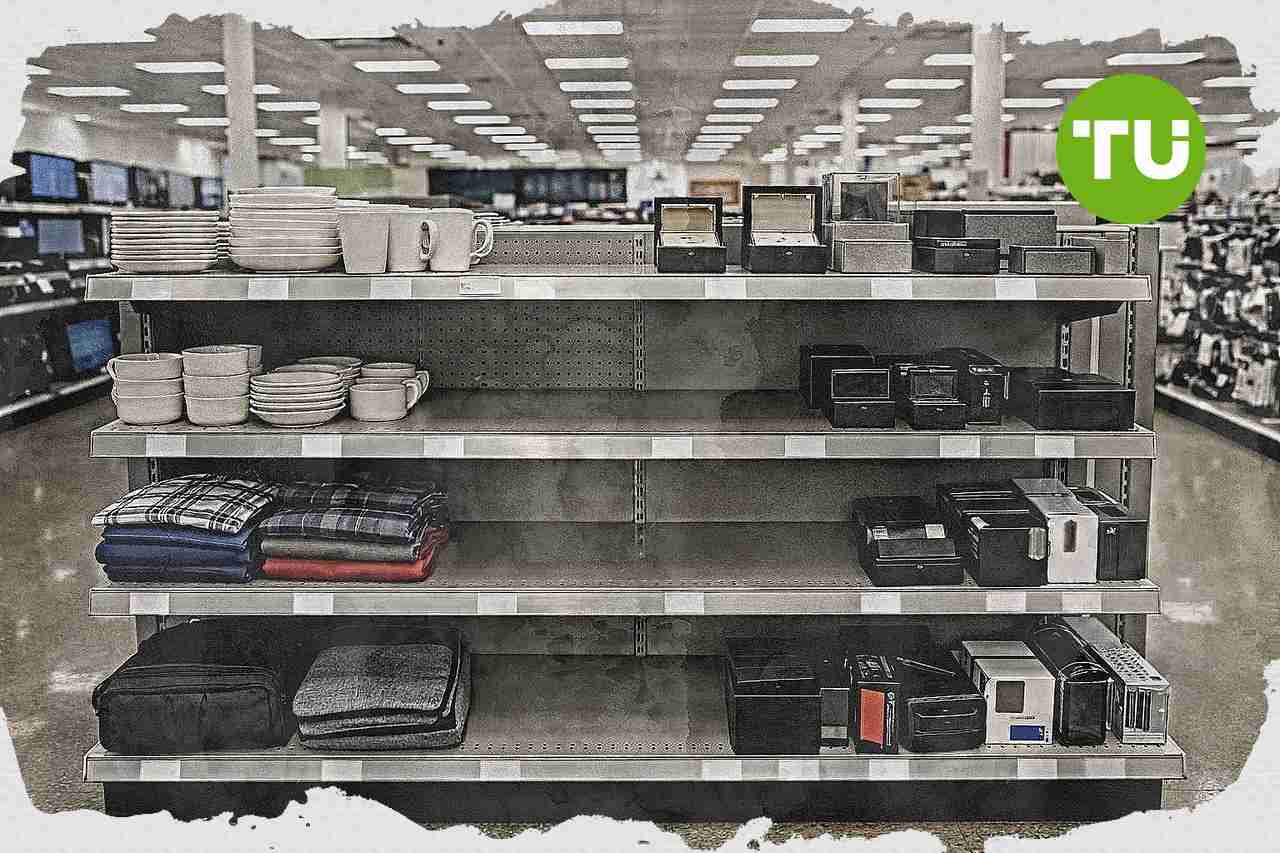
As Bloomberg Opinion Economics reports, the tariffs introduced in April 2025 are making a range of products bought by Americans more expensive after a full year of data becomes available for analysis.In April, prices for dishes are up 15.4% from a year earlier, while men's shirts rise 7.7%, jewelry increases 16.1%, and personal computer accessories climb 13.9%. The measures apply broadly to U.S. imports from around the world.
Household strain deepens economic discontent
The analysis says the levies also have the opposite effect on U.S. workers' pay, suppressing earnings growth instead of supporting it. That combination, higher prices and weaker wage momentum, helps explain why more Americans say the economy is not working for them.It also coincides with a decline in President Donald Trump's approval rating, which falls below 40% from 52% at the start of his second term, based on Real Clear Politics' average of polls.
In our earlier article on the end of the U.S. era of cheap capital, labour and energy, we explained why investors are increasingly bracing for a persistently higher-cost economy. We highlighted how tariffs, onshoring, shifting global capital flows and AI-driven resource demand can keep inflation and longer-term interest rates elevated, reshaping conditions for businesses and households alike.


Latest Taurex News







-
 Afghanistan
-
 Albania
-
 Algeria
-
 Angola
-
 Argentina
-
 Armenia
-
 Australia
-
 Austria
-
 Azerbaijan
-
 Bahamas
-
 Bahrain
-
 Bangladesh
-
 Belarus
-
 Belgium
-
 Bolivia
-
 Botswana
-
 Brazil
-
 Brunei
-
 Bulgaria
-
 Cambodia
-
 Cameroon
-
 Canada
-
 Chile
Chile
-
 China
China
-
 Colombia
-
 Congo
Congo
-
 Costa Rica
-
 Cote d'Ivoire
-
 Croatia
-
 Cuba
Cuba
-
 Cyprus
-
 Czechia
-
 DR Congo
-
 Denmark
-
 Dominican Republic
-
 Ecuador
-
 Egypt
Egypt
-
 El Salvador
-
 Estonia
-
 Eswatini
-
 Ethiopia
-
 Finland
-
 France
-
 Georgia
-
 Germany
-
 Ghana
Ghana
-
 Greece
-
 Haiti
Haiti
-
 Hong Kong
-
 Hungary
-
 India
India
-
 Indonesia
-
 Iran, Islamic republic
-
 Iraq
Iraq
-
 Ireland
-
 Israel
-
 Italy
Italy
-
 Jamaica
-
 Japan
Japan
-
 Jordan
-
 Kazakhstan
-
 Kenya
Kenya
-
 Korea
Korea
-
 Kuwait
-
 Kyrgyzstan
-
 Laos
Laos
-
 Latvia
-
 Lebanon
-
 Lesotho
-
 Libya
Libya
-
 Lithuania
-
 Luxembourg
-
 Madagascar
-
 Malaysia
-
 Malta
Malta
-
 Mauritius
-
 Mexico
-
 Moldova
-
 Mongolia
-
 Montenegro
-
 Morocco
-
 Mozambique
-
 Myanmar
-
 Namibia
-
 Nepal
Nepal
-
 Netherlands
-
 New Zealand
-
 Nigeria
-
 North Macedonia
-
 Norway
-
 Oman
Oman
-
 Pakistan
-
 Palestine
-
 Panama
-
 Papua New Guinea
-
 Paraguay
-
 Peru
Peru
-
 Philippines
-
 Poland
-
 Portugal
-
 Puerto Rico
-
 Qatar
Qatar
-
 Reunion
-
 Romania
-
 Rwanda
-
 Saudi Arabia
-
 Serbia
-
 Singapore
-
 Slovakia
-
 Slovenia
-
 Somalia
-
 South Africa
-
 Spain
Spain
-
 Sri Lanka
-
 Sweden
-
 Switzerland
-
 Syria
Syria
-
 Taiwan
-
 Tajikistan
-
 Tanzania
-
 Thailand
-
 Trinidad and Tobago
-
 Tunisia
-
 Turkey
-
 UAE
UAE
-
 Uganda
-
 Ukraine
-
 United Kingdom
-
United States
-
 Uruguay
-
 Uzbekistan
-
 Venezuela
-
 Vietnam
-
 Yemen
Yemen
-
 Zambia
-
 Zimbabwe
- Forex
- Crypto











