
Amazon shifts Prime Day to June as four-day sales push targets U.S. demand
Amazon.com is moving its annual Prime Day event to June 23-26 after holding the promotion in July for the past five years. The timing reflects the company's effort to avoid a crowded calendar of major events and to capture more spending on groceries and household essentials.
Highlights
- Amazon will hold Prime Day during the week of June 22, 2026, shifting timing to avoid overlap with the FIFA World Cup and U.S. Independence Day.
- Prime Day 2025 drove $24.1 billion in U.S. online sales per Adobe Analytics, with expectations for strong year-over-year growth in June driven by broad category discounts.
- Amazon expanded free same-day grocery deliveries for Prime members in August, increasing perishable goods' share of sales and intensifying competition with Walmart+.
June timing and sales strategy
As reported by Reuters, Amazon says it chooses Prime Day dates around U.S. and global events, religious holidays and bank holidays, and this year it sees the week beginning June 22 as the best fit. Jamil Ghani, Amazon Prime international vice president, says the 2026 FIFA World Cup and the 250th anniversary of U.S. independence are key factors behind the shift.FIFA World Cup 2026 runs from June 11 through July 19, while U.S. Independence Day falls on July 4. Amazon last held Prime Day in June in 2021, and it is keeping the event at four days after extending it from two days in 2025.
Prime Day remains one of Amazon's largest annual sales events. Adobe Analytics says the promotion helped drive $24.1 billion in U.S. online spending in 2025, and Adobe now expects strong year-over-year growth for June, supported by discounts across categories including appliances, office supplies, and home and garden products.
Groceries become a bigger competitive focus
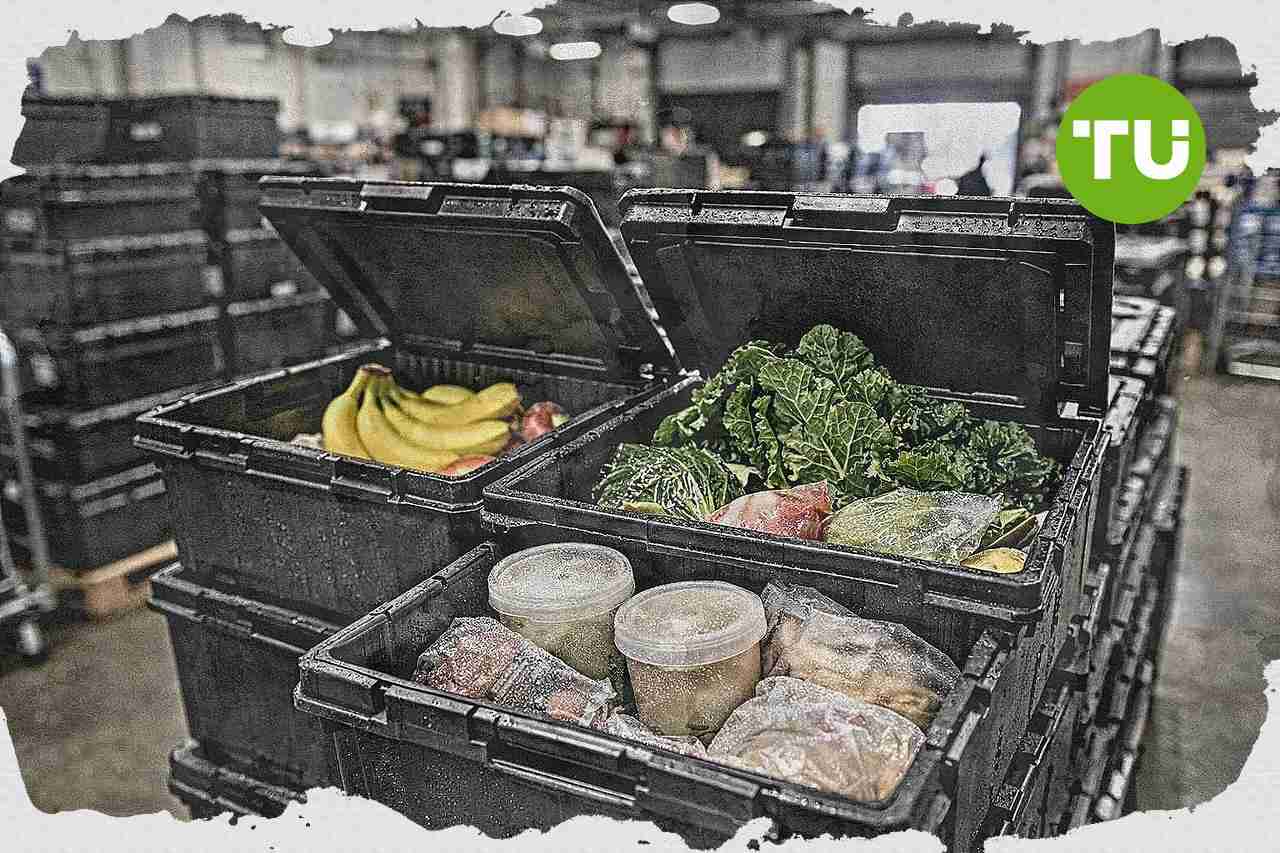
Amazon is also using the event to encourage members to buy perishable groceries and other everyday essentials for World Cup viewing and holiday celebrations. Items such as bananas and ice cream are taking a larger share of Prime shopping baskets as the company expands same-day and next-day delivery options.The company added free same-day deliveries of perishable foods for Prime members in August, underscoring a broader push in grocery fulfillment. Fast delivery of groceries is central to Amazon's effort to compete with Walmart, whose Walmart+ membership offers same-day delivery in under three hours, with some orders arriving in as little as 30 minutes.
Ghani says grocery items are likely to account for a growing share of Amazon deliveries over time because consumers buy perishable and nonperishable food more frequently than categories such as beauty products, apparel and electronics. That trend could make Prime Day a more important lever for Amazon's recurring household spending strategy in the U.S.
In our earlier coverage of Amazon (AMZN) price dynamics, we noted the stock was under short-term selling pressure while still holding a broader medium- and long-term uptrend. The article highlighted investor focus on Amazon’s low Earth orbit satellite initiative nearing commercial service, alongside ongoing international expansion and regulatory headwinds that were shaping sentiment and near-term price consolidation.







-
 Afghanistan
-
 Albania
-
 Algeria
-
 Angola
-
 Argentina
-
 Armenia
-
 Australia
-
 Austria
-
 Azerbaijan
-
 Bahamas
-
 Bahrain
-
 Bangladesh
-
 Belarus
-
 Belgium
-
 Bolivia
-
 Botswana
-
 Brazil
-
 Brunei
-
 Bulgaria
-
 Cambodia
-
 Cameroon
-
 Canada
-
 Chile
Chile
-
 China
China
-
 Colombia
-
 Congo
Congo
-
 Costa Rica
-
 Cote d'Ivoire
-
 Croatia
-
 Cuba
Cuba
-
 Cyprus
-
 Czechia
-
 DR Congo
-
 Denmark
-
 Dominican Republic
-
 Ecuador
-
 Egypt
Egypt
-
 El Salvador
-
 Estonia
-
 Eswatini
-
 Ethiopia
-
 Finland
-
 France
-
 Georgia
-
 Germany
-
 Ghana
Ghana
-
 Greece
-
 Haiti
Haiti
-
 Hong Kong
-
 Hungary
-
 India
India
-
 Indonesia
-
 Iran, Islamic republic
-
 Iraq
Iraq
-
 Ireland
-
 Israel
-
 Italy
Italy
-
 Jamaica
-
 Japan
Japan
-
 Jordan
-
 Kazakhstan
-
 Kenya
Kenya
-
 Korea
Korea
-
 Kuwait
-
 Kyrgyzstan
-
 Laos
Laos
-
 Latvia
-
 Lebanon
-
 Lesotho
-
 Libya
Libya
-
 Lithuania
-
 Luxembourg
-
 Madagascar
-
 Malaysia
-
 Malta
Malta
-
 Mauritius
-
 Mexico
-
 Moldova
-
 Mongolia
-
 Montenegro
-
 Morocco
-
 Mozambique
-
 Myanmar
-
 Namibia
-
 Nepal
Nepal
-
 Netherlands
-
 New Zealand
-
 Nigeria
-
 North Macedonia
-
 Norway
-
 Oman
Oman
-
 Pakistan
-
 Palestine
-
 Panama
-
 Papua New Guinea
-
 Paraguay
-
 Peru
Peru
-
 Philippines
-
 Poland
-
 Portugal
-
 Puerto Rico
-
 Qatar
Qatar
-
 Reunion
-
 Romania
-
 Rwanda
-
 Saudi Arabia
-
 Serbia
-
 Singapore
-
 Slovakia
-
 Slovenia
-
 Somalia
-
 South Africa
-
 Spain
Spain
-
 Sri Lanka
-
 Sweden
-
 Switzerland
-
 Syria
Syria
-
 Taiwan
-
 Tajikistan
-
 Tanzania
-
 Thailand
-
 Trinidad and Tobago
-
 Tunisia
-
 Turkey
-
 UAE
UAE
-
 Uganda
-
 Ukraine
-
 United Kingdom
-
United States
-
 Uruguay
-
 Uzbekistan
-
 Venezuela
-
 Vietnam
-
 Yemen
Yemen
-
 Zambia
-
 Zimbabwe
- Forex
- Crypto











